
Medizintourismus-Blog
Stammzellangereicherte Eigenfetttransplantation in Korea | Die besten Kliniken, Kosten, Verfahrensvarianten und mehr
Table of contents
- Was ist eine Stammzell-Fetttransplantation?
- Die besten Kliniken in Korea für Stammzell-Fetttransplantation
- Stammzell-Fetttransplantation in Korea
- Kosten einer Stammzell-Fetttransplantation in Korea
- Alternativen zur Stammzell-Fetttransplantation
- Fazit
Planen Sie eine Behandlung in Korea? Alles, was Sie wissen müssen, z. B. wie Sie Betrug vermeiden, Visa, Dolmetscher und Tipps für die Erholung, finden Sie in unserem Master Guide für Medizintourismus. Planen Sie mit Vertrauen in Minuten statt in Wochen!
Stellen Sie sich einen innovativen Eingriff vor, der nicht nur Ihre Körperkonturen verbessert, sondern zugleich die Regeneration Ihrer Haut von innen heraus unterstützt. Die Stammzell-Fetttransplantation ist eine hochmoderne Technik, die in Südkorea zunehmend an Bedeutung gewinnt. Sie verbindet ästhetisches Feingefühl mit fortschrittlicher Medizin und kann natürliche, langanhaltende Ergebnisse für Menschen ermöglichen, die sich ästhetische oder rekonstruktive Verbesserungen wünschen. Dieser umfassende Leitfaden erklärt den Ablauf des Verfahrens, stellt führende Kliniken in Korea vor und beleuchtet mögliche Alternativen, damit Sie eine fundierte Entscheidung über diesen transformativen Eingriff treffen können.
Was ist eine Stammzell-Fetttransplantation?
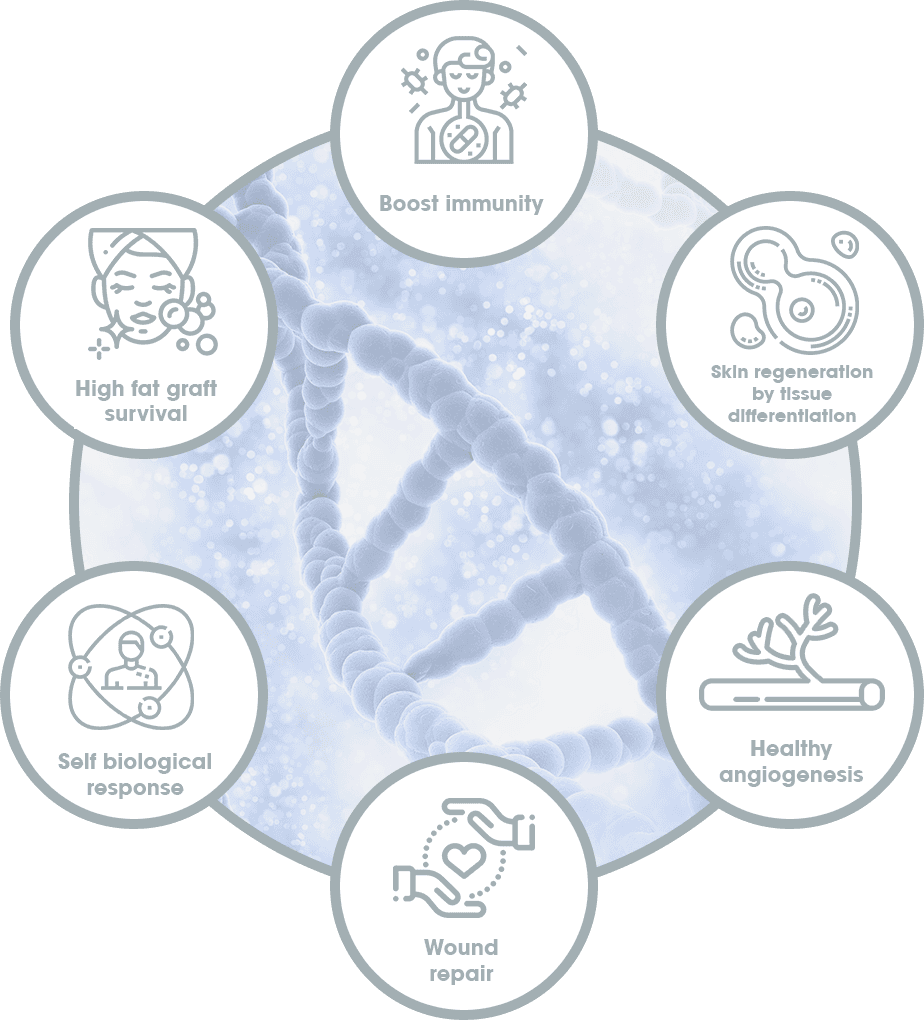
Die Stammzell-Fetttransplantation, auch als autologe Fetttransplantation oder Lipofilling bekannt, ist ein innovatives medizinisches Verfahren, das aufgrund seiner verjüngenden und volumenaufbauenden Wirkung in verschiedenen Körperbereichen große Aufmerksamkeit erlangt hat. Dabei werden Fettzellen aus einem Körperareal entnommen – meist aus Regionen mit Fettüberschuss wie Bauch oder Oberschenkeln –, anschließend aufbereitet und mit Stammzellen angereichert, bevor sie in den Zielbereich injiziert werden. Diese Kombination aus Fettzellen und Stammzellen sorgt nicht nur für mehr Volumen, sondern kann auch die Gewebereparatur fördern und die Hautqualität verbessern.
Für wen ist eine Stammzell-Fetttransplantation geeignet?
Die Stammzell-Fetttransplantation ist eine attraktive Option für Menschen, die natürliche und möglichst wenig invasive Behandlungen bevorzugen. Geeignete Kandidatinnen und Kandidaten sind unter anderem:
- Ästhetische Verbesserungen: Personen, die Gesichtskonturen optimieren, das Brustvolumen vergrößern oder das Gesäß formen möchten, ohne synthetische Implantate zu verwenden.
- Rekonstruktive Behandlungen: Patientinnen und Patienten, die nach einer Mastektomie eine Rekonstruktion benötigen oder angeborene Defekte ausgleichen möchten.
- Altersbedingte Veränderungen: Menschen, die Falten, feine Linien und erschlaffte Haut behandeln möchten – mit einem Verfahren, das sowohl Volumenaufbau als auch Regeneration unterstützt.
- Narben und Hautunregelmäßigkeiten: Personen mit Aknenarben, Verbrennungsnarben oder anderen Hautunregelmäßigkeiten, die von den regenerativen Eigenschaften von Stammzellen profitieren könnten.
Verfahrensarten
Bei der Stammzell-Fetttransplantation kommen verschiedene Ansätze und Techniken zum Einsatz, die an die individuellen Bedürfnisse der Patientinnen und Patienten angepasst werden.
1. Standard-Fetttransplantation:
Diese klassische Methode umfasst die Entnahme von Fett mittels Liposuktion. Das gewonnene Fett wird anschließend aufbereitet, um Verunreinigungen zu entfernen, und danach in den gewünschten Bereich reinjiziert.
2. Erweiterte Stammzell-Fetttransplantation:
Diese fortschrittliche Methode geht einen Schritt weiter, indem Stammzellen aus dem entnommenen Fett isoliert werden. Diese werden vor der Injektion mit dem gereinigten Fett vermischt. Es wird angenommen, dass diese Kombination das Einheilen des Transplantats verbessert und die Geweberegeneration fördert.
3. Mikrofett-Transplantation:
Diese Methode eignet sich besonders für empfindliche Areale wie das Gesicht und verwendet feine Kanülen, um kleine Fettmengen präzise zu injizieren. Dadurch sind eine exaktere Behandlung und weniger sichtbare Narben möglich.
4. Nanofett-Transplantation:
Bei dieser Technik wird das entnommene Fett in einem verfeinerten Aufbereitungsverfahren in kleinere Partikel zerlegt, die reich an Stammzellen und Wachstumsfaktoren sind. Dies kann besonders wirksam sein, um die Hauttextur zu verbessern, feine Linien zu reduzieren und die Hautqualität insgesamt aufzuwerten.
Schritte des Verfahrens
Entnahme:
Mithilfe einer Liposuktionstechnik werden Fettzellen aus Bereichen mit überschüssigen Fettdepots entnommen. Dies erfolgt in der Regel unter örtlicher Betäubung und verursacht meist nur geringe Beschwerden.
Aufbereitung:
Das entnommene Fett wird gereinigt, wobei Blut, Öl und überschüssige Flüssigkeit entfernt werden. Bei einer erweiterten Stammzell-Fetttransplantation erfolgt zusätzlich die Isolierung und Anreicherung von Stammzellen aus dem gewonnenen Fett.
Injektion:
Das gereinigte Fett, das gegebenenfalls mit Stammzellen angereichert wurde, wird mit feinen Kanülen sorgfältig in den Zielbereich injiziert. Die Injektion erfolgt schichtweise, um eine gleichmäßige Verteilung und ein möglichst natürliches Ergebnis zu erreichen.
Nach dem Eingriff und Erholung
Die Erholungszeit nach einer Stammzell-Fetttransplantation ist im Allgemeinen kurz. Die meisten Patientinnen und Patienten haben lediglich leichte Schwellungen und Blutergüsse sowohl an der Entnahme- als auch an der Empfängerstelle. Diese Beschwerden klingen typischerweise innerhalb einer Woche ab. Die endgültigen Ergebnisse werden über mehrere Monate hinweg zunehmend sichtbar, sobald die Fettzellen eingeheilt sind und sich die regenerativen Effekte der Stammzellen entfalten.
In der Regel wird empfohlen, für einige Wochen auf anstrengende Aktivitäten zu verzichten und alle individuellen Nachsorgeanweisungen sorgfältig zu befolgen, um optimale Ergebnisse zu unterstützen.
Die besten Kliniken in Korea für Stammzell-Fetttransplantation
Nachfolgend finden Sie die besten Kliniken in Korea für Stammzell-Fetttransplantation:
| Klinikname | Hauptmerkmale | Besondere Techniken |
|---|---|---|
| Lydian Plastic Surgery Clinic | In Cheongdam, Gangnam gelegen; Über 20 Jahre internationale Erfahrung; Persönliche Betreuung im Boutique-Stil; Vom Gesundheitsministerium zugelassener Clean-Class-10.000-Reinraum; Sorgfältige Nachsorge; Höchste Sicherheitsstandards | Stammzell-Fetttransplantation mit Überlebensraten von 50–60 %; Hochauflösende 5D-Liposkulptur; Brazilian Butt Lift; Stammzellgewinnung/-konzentration bei 4 °C; Edinizer-Gerät für eine gleichmäßige Fettpartikelgröße; Maßgeschneiderte Designs basierend auf individueller Anatomie |
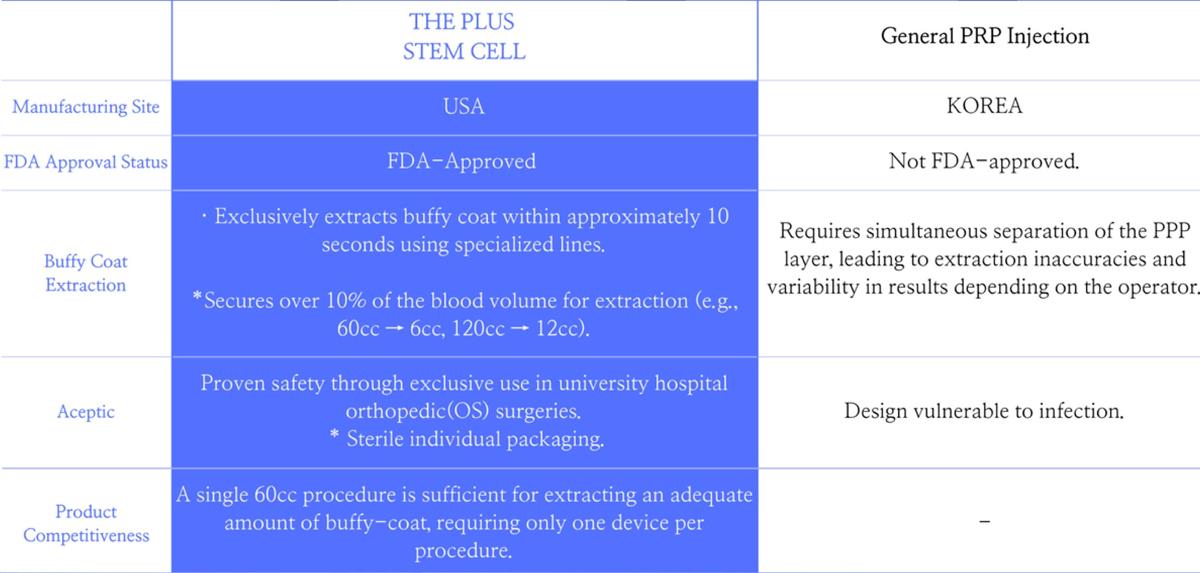
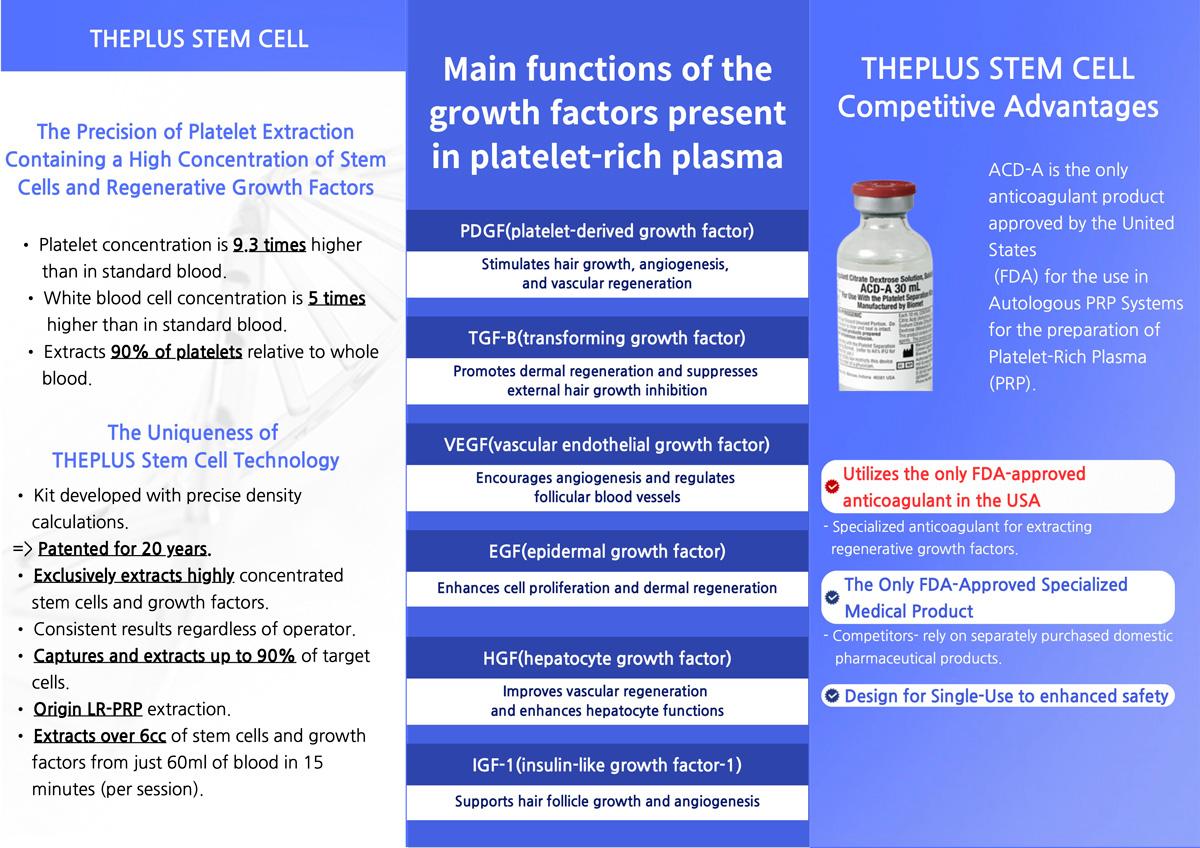
| THEPLUS Plastic Surgery | In Garosu-gil, Gangnam gelegen; Strenge Sicherheitsstandards; Verwendung des exklusiven, FDA-zugelassenen THE PLUS Stem Cell Systems aus den USA; Jedes Kit enthält ein FDA-zugelassenes Antikoagulans; Geleitet von renommierten, ausgezeichneten Chirurgen | Gewinnung ausschließlich der Buffy-Coat-Fraktion für eine hohe Stammzellkonzentration; Minimale Blutentnahme (60 cc); Steriles, einzeln verpacktes Sicherheitssystem; Behandlungen in den Bereichen Rhinoplastik, Gesichtskonturierung, Brustvergrößerung und fortschrittliche Dermatologie |
| Cellinique Clinic | Premium-Standort in Gangnam; Klinik unter der Leitung von Dr. Chris Gunwoo Kim; 100 % personalisierte Betreuung; Internationale Anerkennung in der Stammzellmedizin; Proprietäre, minimal manipulierte Zellbiotechnologie; Umfassendes Angebot für Anti-Aging und Verjüngung | Stammzell-Fetttransplantation zur Verbesserung des Einheilens des Fettes durch Mischung mit Stammzellen; NovaStem Kit zur Zellaufbereitung; Förderung des Mikrovaskularisationswachstums; Behandlungen für Gesicht, Brust und Gesäß; Zusätzliche Therapien: PRP, Blutreinigung, NK-Zelltherapie, Exosomen, Radiesse; Teilnahme an internationalen wissenschaftlichen Konferenzen |
Lydian Plastic Surgery Clinic
Die Lydian Cosmetic Surgery & Dermatology Clinic im renommierten Cheongdam-Viertel von Gangnam, Seoul, zählt zu den führenden Einrichtungen für fortschrittliche ästhetische Behandlungen und ist auf Stammzell-Fetttransplantation sowie Körperformung spezialisiert. Unter der fachkundigen Leitung von Dr. An Kyung Chun, einem international anerkannten Spezialisten mit über 20 Jahren Erfahrung, verfolgt die Klinik einen sehr persönlichen Boutique-Ansatz und legt den Schwerpunkt auf natürliche, elegante Ergebnisse mithilfe innovativer Techniken. Lydian gehört zu den etablierten Adressen der ästhetischen Medizin in Korea und bietet moderne Verfahren wie hochauflösende 5D-Liposkulptur, Brazilian Butt Lift und umfassende Stammzelltherapien an. Dr. Ans Expertise hat ihm einen Platz unter Koreas führenden ästhetischen Chirurgen sowie unter den globalen Top 100 der ästhetischen Stammzellmedizin eingebracht.
Was die Lydian Clinic im Bereich der Stammzell-Fetttransplantation besonders auszeichnet, ist ihr Fokus auf wissenschaftlichen Fortschritt und Sicherheit. Die hochmodernen Reinraumeinrichtungen, die vom koreanischen Ministerium für Gesundheit und Wohlfahrt zugelassen sind, erfüllen strenge Clean-Class-10.000-Luftqualitätsstandards und minimieren dadurch das Kontaminationsrisiko bei der Zellverarbeitung. Lydian nutzt ein innovatives Verfahren, um die Einheilungsrate von Fetttransplantaten auf 50–60 % zu steigern – deutlich mehr als die üblichen 20–30 % –, indem Stammzellen bei kontrollierten 4 °C extrahiert und konzentriert werden, um die Zellvitalität zu maximieren. Fortschrittliche medizinische Geräte wie der Edinizer sorgen für eine einheitliche Fettzellgröße und damit für natürlichere Konturen und bessere Ergebnisse. Mit sorgfältiger Nachsorge, kontinuierlichen Investitionen in neue Technologien und einem Fokus auf individuell abgestimmte Behandlungsdesigns auf Basis der jeweiligen Anatomie erfüllt die Lydian Clinic hohe Standards für langanhaltende und ästhetisch ansprechende Veränderungen.
Ihre Website finden Sie hier: Website der Lydian Plastic Surgery Clinic
THEPLUS Plastic Surgery
Die THE PLUS Plastic Surgery Clinic im lebendigen Garosu-gil-Viertel von Gangnam, Seoul, gehört zu den führenden Einrichtungen für kosmetische Innovationen, insbesondere im Bereich der Stammzell-Fetttransplantation. Die Klinik ist für ihre strengen Sicherheitsstandards und ihre hohe Behandlungsqualität bekannt und verwendet das exklusive, in den USA hergestellte und von der FDA zugelassene THE PLUS Stem Cell System – ein klarer Unterschied zu allgemeineren Stammzellprodukten, die häufig in Korea entwickelt werden. Dieses hocheffiziente System gewinnt ausschließlich die Buffy-Coat-Fraktion und erreicht dadurch eine außergewöhnlich hohe Stammzellkonzentration bei minimaler Blutentnahme (nur 60 cc), während gleichzeitig Sterilität und einzeln verpackte Sicherheitskomponenten gewährleistet werden. Jedes Behandlungskit enthält ein von der FDA zugelassenes Antikoagulans, was eine gleichbleibende Sicherheit unterstützt und den separaten Kauf zusätzlicher Arzneimittel überflüssig macht.
Hinter dem erstklassigen Ruf der Klinik steht ein Team hochqualifizierter und vielfach ausgezeichneter Chirurgen. Dr. Kim, ein Pionier der Rhinoplastik und Gesichtskonturierung mit international anerkannter akademischer Laufbahn, und Dr. Jeong, Präsident der Korean Society of Plastic Surgeons, führen ein Team, das bei jedem Eingriff Funktion und Ästhetik in Einklang bringt. Dr. Lee bringt bemerkenswerte Expertise in der Brustvergrößerung und bei Gesichtsbehandlungen mit, gestützt auf ihre umfangreiche Karriere an führenden Krankenhäusern Koreas. Gemeinsam bieten diese Ärztinnen und Ärzte ein breites Leistungsspektrum – von Rhinoplastik und Gesichtskonturierung bis hin zu fortschrittlicher Dermatologie –, getragen von jahrzehntelanger Erfahrung, kontinuierlicher wissenschaftlicher Forschung und einem klaren Bekenntnis zu Sicherheit, natürlicher Schönheit und Patientenzufriedenheit.
Ihre Website finden Sie hier: Website von THEPLUS Plastic Surgery
Cellinique Clinic
Die Cellinique Clinic im Herzen von Gangnam, Seoul, ist eine führende medizinische Einrichtung, die sich auf fortschrittliche Stammzell- und Laserbehandlungen für Verjüngung, Schönheit und allgemeine Gesundheit spezialisiert hat. Als exklusive Klinik unter der Leitung eines einzigen Arztes, die sich vollständig der Stammzellforschung und ihren Anwendungen widmet, bietet Cellinique zu 100 % personalisierte Behandlungen für Gesichts- und Körperverjüngung, allgemeines Wohlbefinden und Anti-Aging unter Einsatz modernster Stammzelltechnologie. Unter der Leitung von Dr. Chris Gunwoo Kim – einer renommierten Autorität auf dem Gebiet der Stammzellmedizin – kombiniert Cellinique die Möglichkeiten moderner Stammzellinnovationen mit ergänzenden Therapien, um Patientinnen und Patienten dabei zu unterstützen, ihre natürliche Gesundheit und Schönheit wiederherzustellen.
Warum die Cellinique Clinic eine starke Wahl für eine Stammzell-Fetttransplantation ist:
- Pionierarbeit in der Stammzell-Fetttransplantation: Die Technik von Cellinique verbessert die Einheilungsrate des transplantierten Fetts durch die Mischung mit extrahierten Stammzellen und fördert das Wachstum kleinster Blutgefäße für natürliches und langanhaltendes Volumen.
- Umfassende fachärztliche Betreuung: Als Klinik unter der persönlichen Leitung von Dr. Chris Gunwoo Kim werden alle Eingriffe individuell überwacht, was Kontinuität, Sicherheit und optimale Ergebnisse für jede Patientin und jeden Patienten unterstützt.
- Internationale Anerkennung und Expertise: Dr. Kim ist ein gefragter Redner auf internationalen Konferenzen und teilt dort regelmäßig seine Erkenntnisse zu fortschrittlichen Stammzelltherapien und Anti-Aging-Technologien.
- Proprietäre Technologie: Die Klinik verfügt über exklusive, minimal manipulierte Zellbiotechnologien wie das „NovaStem Kit“ für ausgeprägte regenerative Effekte und Anti-Aging-Ergebnisse.
- Maßgeschneiderte Anti-Aging-Lösungen: Die Behandlungen werden individuell auf Volumenaufbau und Verjüngung in verschiedenen Bereichen wie Gesicht, Brust und Gesäß abgestimmt, um natürliche, sichere und langanhaltende Ergebnisse zu erzielen.
- Umfassende Behandlungsoptionen: Neben der Stammzell-Fetttransplantation bietet Cellinique eine Reihe weiterer Therapien – PRP, Blutreinigung, NK-Zelltherapie, Radiesse, Exosomen und mehr –, die in individuelle Behandlungspläne integriert werden können, um bestmögliche Resultate zu erzielen.
- Fokus auf Patientensicherheit: Die Verfahren werden mit sorgfältig aufbereiteten Stammzellen und gereinigtem Fett durchgeführt, wodurch Risiken reduziert und gesunde, ästhetische Ergebnisse gefördert werden.
- Premium-Standort in Gangnam: Die Klinik bietet gut erreichbare, private und komfortable Betreuung in einem der angesehensten Viertel Seouls.
- Engagement für modernste Forschung: Die kontinuierliche Teilnahme an nationalen und internationalen wissenschaftlichen Konferenzen hält die Klinik an der Spitze der Stammzell- und regenerativen Medizin.
Mit ihrem konsequenten Anspruch an Qualität und Innovation positioniert sich die Cellinique Clinic als eine erstklassige Adresse in Korea für Patientinnen und Patienten, die eine fortschrittliche Stammzell-Fetttransplantation und natürliche, langanhaltende Verjüngung suchen.
Ihre Website finden Sie hier: Website der Cellinique Clinic
Stammzell-Fetttransplantation in Korea
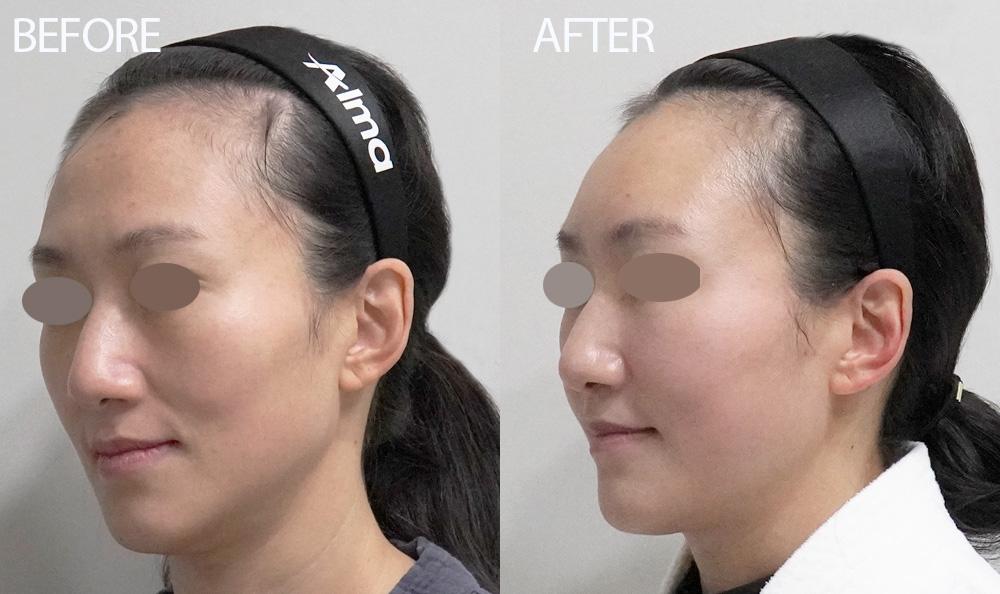
Die Stammzell-Fetttransplantation, auch als autologe Fetttransplantation oder Lipofilling bekannt, ist in Korea – einem Land, das für seine fortschrittliche Medizin und modernste technologische Innovationen bekannt ist – zu einem immer beliebteren Eingriff geworden. Dabei werden körpereigene Fettzellen entnommen, gereinigt und anschließend in Bereiche injiziert, die Volumenaufbau oder Verjüngung benötigen. Korea hat sich aufgrund seiner hohen medizinischen Standards, qualifizierten Fachkräfte und hochmodernen Einrichtungen zu einem wichtigen Ziel für dieses Verfahren entwickelt.
Erstberatung
Der Weg beginnt mit einer ausführlichen Beratung bei einer Fachärztin oder einem Facharzt für plastische Chirurgie. Während dieses Termins werden der allgemeine Gesundheitszustand beurteilt, die Erwartungen besprochen und ein individueller Behandlungsplan erstellt. Koreanische Medizinerinnen und Mediziner sind für ihre akribische Detailgenauigkeit bekannt; sie erheben umfassende Krankengeschichten, führen gründliche körperliche Untersuchungen durch und nutzen verschiedene diagnostische Verfahren, um sicherzustellen, dass der Eingriff sicher und geeignet ist.
Vorbereitung vor dem Eingriff
Die Vorbereitung auf eine Stammzell-Fetttransplantation umfasst in der Regel mehrere vorbereitende Schritte. Patientinnen und Patienten wird meist geraten, das Rauchen einzustellen, bestimmte Medikamente zu vermeiden und eine spezielle Ernährung einzuhalten, um Heilung und Erholung zu optimieren. Das koreanische Gesundheitssystem legt großen Wert auf die Aufklärung vor dem Eingriff, daher erhalten Sie in dieser Phase umfassende Informationen und Unterstützung.
Entnahme der Fettzellen
Am Tag des Eingriffs werden die Fettzellen mittels Liposuktion entnommen, die je nach Umfang der Fettentnahme und Komfort der Patientin oder des Patienten unter örtlicher Betäubung oder Vollnarkose durchgeführt wird. Zu den häufigsten Entnahmestellen zählen Bauch, Oberschenkel und Flanken. Koreanische Kliniken setzen fortschrittliche Liposuktionstechniken und moderne Geräte ein, um das Trauma für Fettzellen und umliegendes Gewebe zu minimieren und so die Lebensfähigkeit der gewonnenen Zellen zu verbessern.
Reinigung und Isolierung der Stammzellen
Nach der Entnahme durchlaufen die Fettzellen einen sorgfältigen Reinigungsprozess, um die vitalsten Zellen zu isolieren. Mit modernsten Filtrations- und Zentrifugationstechniken werden die Stammzellen vom entnommenen Fett getrennt. Viele koreanische Kliniken investieren in hochwertige Technologie, um eine Zellisolierung von höchster Qualität sicherzustellen, was entscheidend für den Erfolg der Transplantation ist.
Ablauf der Fetttransplantation
Das gereinigte, mit Stammzellen angereicherte Fett wird anschließend mit feinen Kanülen behutsam in die Zielbereiche injiziert. Häufige Behandlungszonen sind Gesicht, Brust, Gesäß und Hände. Ziel des Verfahrens ist es, Volumen wiederherzustellen, Konturen zu verbessern und die Haut zu verjüngen. Koreanische Chirurginnen und Chirurgen sind für ihr ästhetisches Gespür und ihre Präzision bekannt und sorgen dafür, dass die Ergebnisse natürlich wirken und harmonisch zum Körper der Patientin oder des Patienten passen.
Nachsorge nach dem Eingriff
Die postoperative Betreuung ist ein wesentlicher Bestandteil des gesamten Prozesses, und koreanisches medizinisches Personal zeichnet sich durch umfassende Nachsorgeleistungen aus. Patientinnen und Patienten werden in der Regel engmaschig auf mögliche Komplikationen überwacht und erhalten detaillierte Anweisungen für die Zeit nach dem Eingriff, um eine reibungslose Erholung zu fördern. Kontrolltermine werden angesetzt, um den Heilungsverlauf zu verfolgen und den Erfolg der Transplantation sicherzustellen.
Unterkunft und zusätzliche Services
Viele medizinische Einrichtungen in Korea bieten internationalen Patientinnen und Patienten komfortable Unterkünfte und zusätzliche Dienstleistungen an. Dazu gehören Sprachunterstützung, Concierge-Services und personalisierte Betreuungspakete. Die Liebe zum Detail geht über den medizinischen Eingriff selbst hinaus und macht das gesamte Erlebnis für Patientinnen und Patienten aus aller Welt angenehmer und stressfreier.
Modernste Forschung und Techniken
Korea steht an der Spitze der medizinischen Forschung, und viele Kliniken beteiligen sich an laufenden Studien, um Techniken der Stammzell-Fetttransplantation weiter zu verfeinern und zu verbessern. Dieses Engagement für Innovation trägt dazu bei, dass Patientinnen und Patienten von den neuesten Fortschritten und hohen Behandlungsstandards profitieren.
Die koreanische Ästhetik-Philosophie
Koreanische kosmetische Behandlungen folgen einer eigenen ästhetischen Philosophie, die natürliche Schönheit und subtile Verbesserungen in den Mittelpunkt stellt. Chirurginnen und Chirurgen in Korea streben Ergebnisse an, die sich nahtlos in die natürlichen Gesichtszüge und Körperproportionen einfügen, und vermeiden übermäßig dramatische Veränderungen, wie sie anderswo bei kosmetischen Eingriffen mitunter vorkommen. Dieser feine und differenzierte Ansatz hat wesentlich zu Koreas Ruf als führende Nation der ästhetischen Medizin beigetragen.
Kosten einer Stammzell-Fetttransplantation in Korea
Die Stammzell-Fetttransplantation, häufig auch als stammzellunterstützte Fetttransplantation bezeichnet, erfreut sich in Südkorea aufgrund ihres innovativen Ansatzes und ihrer überzeugenden Ergebnisse wachsender Beliebtheit. Die Kosten für dieses Verfahren können je nach Klinik, Erfahrung der Operateurinnen und Operateure sowie Umfang der Behandlung erheblich variieren.
Kosten des Eingriffs
Im Durchschnitt liegen die Kosten für eine Stammzell-Fetttransplantation in Korea zwischen 5.000 und 10.000 USD. Dieser Preis umfasst in der Regel das Erstgespräch, den chirurgischen Eingriff, den Einsatz moderner Medizintechnik und Nachkontrollen. Einige Premium-Kliniken bieten Pakete an, die zusätzliche postoperative Betreuung und Unterstützung einschließen, was die Gesamtkosten erhöhen kann.
Zusätzliche medizinische Ausgaben
Obwohl der Haupteingriff den Großteil der Kosten ausmacht, sollten Sie auch zusätzliche medizinische Ausgaben einplanen:
- Präoperative Untersuchungen: Bluttests, bildgebende Diagnostik und andere Voruntersuchungen können etwa 200 bis 500 USD kosten.
- Medikamente: Postoperative Medikamente, einschließlich Schmerzmitteln und Antibiotika, können weitere 100 bis 200 USD ausmachen.
- Beratungstermine: Nachsorgetermine sind manchmal im Paket enthalten, können aber gelegentlich zusätzlich 50 bis 100 USD pro Besuch kosten.
Reise- und Unterkunftskosten
Wenn Sie eine Stammzell-Fetttransplantation in Korea planen, sollten Sie auch Reise- und Unterkunftskosten berücksichtigen.
Flugkosten
Die Kosten für einen Flug nach Korea hängen weitgehend von Ihrem Abflugort, der Fluggesellschaft und dem Buchungszeitpunkt ab. Im Durchschnitt kostet ein Hin- und Rückflug von den USA oder Europa nach Seoul in der Economy Class zwischen 800 und 1.500 USD. Für Business oder First Class können die Tickets zwischen 3.000 und 6.000 USD kosten.
Unterkunft
Die Unterkunftskosten in Korea variieren stark je nach Art und Lage der Unterkunft:
- Budget-Hotels/Hostels: 30 bis 70 USD pro Nacht
- Hotels der Mittelklasse: 70 bis 150 USD pro Nacht
- Luxushotels: 150 bis 400 USD pro Nacht
Bei einem Aufenthalt von etwa einer Woche können die Unterkunftskosten je nach Ihren Vorlieben zwischen 210 und 2.800 USD liegen.
Tägliche Ausgaben
Zu den täglichen Ausgaben während Ihres Aufenthalts in Korea gehören Essen, Transport und sonstige Nebenkosten. Hier eine grobe Schätzung:
- Essen: 20 bis 50 USD pro Tag
- Lokaler Transport: 10 bis 20 USD pro Tag
- Sonstiges: 10 bis 30 USD pro Tag
Für einen einwöchigen Aufenthalt können die täglichen Ausgaben insgesamt zwischen 280 und 700 USD liegen.
Geschätzte Gesamtkosten
Wenn man die gesamte Reise berücksichtigt – also den Eingriff, Flüge, Unterkunft und tägliche Ausgaben –, können die geschätzten Gesamtkosten für eine Stammzell-Fetttransplantation in Korea zwischen etwa 6.490 und 15.200 USD liegen. Diese Schätzung kann je nach individuellen Bedürfnissen und Ihrem Lebensstil während des Aufenthalts weiter variieren.
Alternativen zur Stammzell-Fetttransplantation
Wenn Sie ästhetische oder rekonstruktive Verbesserungen in Betracht ziehen, ist es wichtig, alle verfügbaren Behandlungsmöglichkeiten zu prüfen. Hier sind drei Alternativen zur Stammzell-Fetttransplantation:
Hyaluronsäure-Filler
Hyaluronsäure-(HA)-Filler wie Juvederm und Restylane sind beliebte nichtchirurgische Optionen zur Gesichtsverjüngung und Wiederherstellung von Volumen. Diese Filler bestehen aus einer Substanz, die natürlicherweise im Körper vorkommt und zur Erhaltung von Feuchtigkeit und Volumen der Haut beiträgt. HA-Filler werden wegen ihrer sofort sichtbaren Ergebnisse, der geringen Ausfallzeit und ihrer Reversibilität geschätzt. Sie werden häufig verwendet, um Falten zu glätten, feine Linien aufzufüllen und Gesichtskonturen zu betonen.
Synthetische Implantate
Synthetische Implantate sind eine weitere sinnvolle Alternative für Personen, die eine deutlichere und langfristige Volumenvergrößerung wünschen. Sie kommen häufig bei Brust- und Gesäßvergrößerungen zum Einsatz und bestehen aus medizinischem Silikon oder Kochsalzlösung. Einer der Hauptvorteile synthetischer Implantate ist ihre Fähigkeit, ein besser vorhersehbares und gleichmäßigeres Ergebnis zu liefern. Sie sind außerdem eine Option für Menschen, die nicht über ausreichend eigenes Körperfett für eine Transplantation verfügen.
Therapie mit plättchenreichem Plasma (PRP)
Die Therapie mit plättchenreichem Plasma (PRP) ist eine minimalinvasive Behandlung, bei der das eigene Blutplasma der Patientin oder des Patienten, das reich an Wachstumsfaktoren ist, zur Förderung von Geweberegeneration und Heilung verwendet wird. Diese Option wird sowohl in der ästhetischen als auch in der medizinischen Anwendung immer beliebter, da sie die Hautstruktur verbessern, feine Linien reduzieren und die Wundheilung beschleunigen kann. PRP wird häufig mit anderen Behandlungen wie Microneedling kombiniert, um die Ergebnisse zu verbessern, und stellt damit eine natürliche und sichere Alternative zu synthetischen Fillern und Fetttransplantationen dar.
Fazit
Zusammenfassend ist die Stammzell-Fetttransplantation in Korea ein wegweisender Bereich der ästhetischen und rekonstruktiven Medizin, in dem fortschrittliche Stammzellforschung mit der Präzision kosmetischer Verfahren verbunden wird. Auf Grundlage moderner Forschung und hochentwickelter medizinischer Einrichtungen hat sich Korea in diesem Fachgebiet als international bedeutender Standort etabliert. Patientinnen und Patienten aus aller Welt wenden sich zunehmend an koreanische Kliniken, um von deren Fachkompetenz und innovativen Ansätzen zu profitieren – insbesondere im Hinblick auf Sicherheit, natürliche Ergebnisse und allgemeine Zufriedenheit. Während sich die Technologie weiterentwickelt und das Verständnis für die Anwendung von Stammzellen wächst, dürfte Korea auch künftig eine wichtige Rolle bei der Weiterentwicklung der Fetttransplantation und der regenerativen Medizin spielen.
Häufig gestellte Fragen
Verwandte Blogbeiträge
Die tatsächlichen Kosten im Überblick: Preise für Stammzell-Gesichtsbehandlungen in Korea im Vergleich zu führenden Ästhetik-Hotspots weltweit
Entdecken Sie die neuesten Informationen zu den Kosten von Gesichtsbehandlungen mit Stammzellen in Korea – einer modernen Hautpflegebehandlung, die für ihre verjüngende Wirkung bekannt ist. Erfahren Sie mehr über Preisunterschiede, die Faktoren, die die Kosten beeinflussen, und darüber, wie diese Behandlung im Vergleich zu anderen beliebten Hautpflegeoptionen abschneidet.
Aktualisiert: Oct 18, 2026
Stem Cell Breast Augmentation in Korea: Methods, Evidence, Recovery and Travel Planning
Stem cell breast augmentation uses liposuction-harvested fat, sometimes processed with stromal vascular fraction, and injected in small parcels for modest volume or contour changes with variable retention. The article covers candidacy, documentation and safety questions, Korea travel planning, recovery, warning signs, and alternatives including conventional fat grafting, implants, and breast lift.
Aktualisiert: Oct 16, 2026
Stem Cell Penis Enlargement in Korea: Evidence, Safety, Travel Planning, and Alternatives
Stem cell penis enlargement is an investigational label; the only direct preliminary evidence involves SVF-enriched autologous fat grafting for shaft girth, with liposuction and subcutaneous injection. The article covers candidate screening, regulatory checks in Korea, travel and follow-up planning, aftercare warning signs, and alternatives such as fat transfer, filler, traction, and ED care.
Aktualisiert: Oct 4, 2026
Stem Cell Treatments for Sexual Performance in Korea: Evidence, Safety, Travel Planning, and ED Alternatives
Stem cell approaches for organic erectile dysfunction remain investigational, with assessment, protocol verification, intracavernosal injection, monitoring, and follow-up requirements described. International patients should confirm regulatory status, product details, recovery needs, flight planning, emergency contacts, and records for home-urologist follow-up.
Aktualisiert: Sep 28, 2026
Kliniken für Stem Cell Fat Grafting
BongBong Plastic Surgery Dermatology Korea | Body, Breast & Aesthetic Treatments
Nonhyeon

SH Clinic: Comprehensive Women's, Men's & Couples' Health Services in Korea
Sinsa

THEPLUS Plastic Surgery Korea | Eye, Nose, Face & Body Surgery
Sinsa

Made Young Plastic Surgery: Rejuvenating Aesthetic Excellence in Korea for Face Lifts, Contouring and More
Gangnam Station