
Medical Tourism Blog
Tummy Tuck in Korea: Types, Recovery, Travel Timing, and Safety Planning
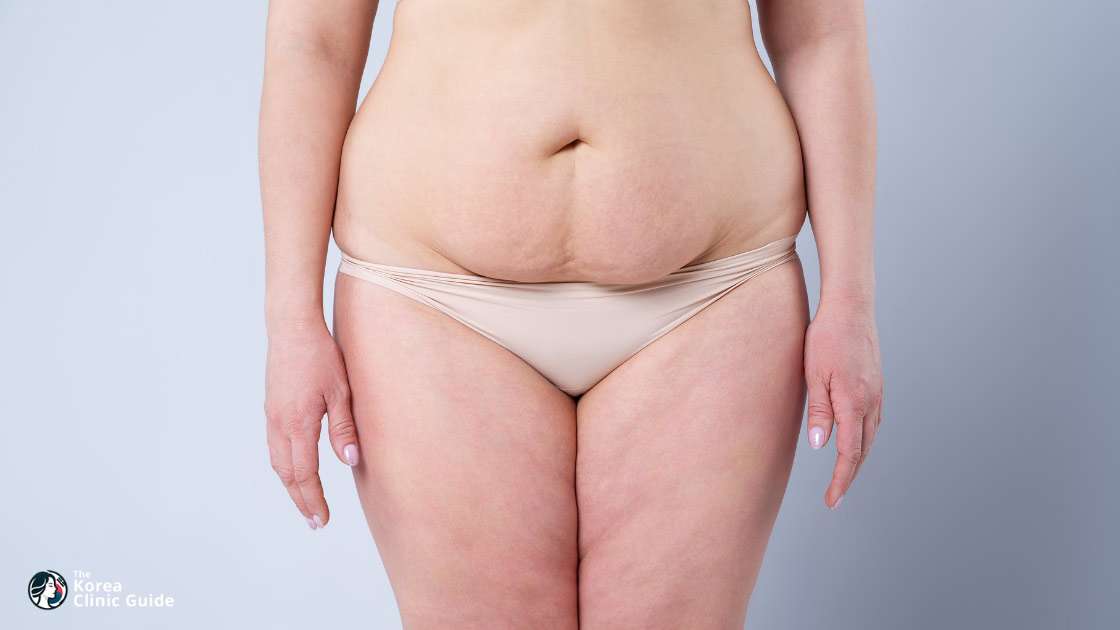
Table of contents
- Tummy Tuck at a Glance
- What Is a Tummy Tuck?
- Who Is a Good Candidate for a Tummy Tuck?
- What Are the Different Types of Tummy Tuck?
- Why Visit Korea for a Tummy Tuck?
- Key Information for International Patients
- Which Are the Best Clinics in Korea for Tummy Tuck?
- How Much Does a Tummy Tuck Cost in Korea?
- Tummy Tuck From Start to Finish
- Alternatives to a Tummy Tuck
- How Can I Prepare for a Tummy Tuck?
- Aftercare Advice
Considering treatment in Korea? Everything you need to know e.g. — how to avoid scams, visas, interpreters, recovery tips — in our Medical Tourism Master Guide. Plan with confidence in minutes, not weeks!
Last updated: September 2026
Tummy Tuck at a Glance
- What it does — Abdominoplasty removes excess abdominal skin and variable subcutaneous fat, redrapes the abdomen, and may tighten separated rectus fascia; it is contouring surgery, not a weight-loss treatment or treatment for visceral fat.
- Typical cost in Korea — Supplied pricing is ₩11,000,000–₩45,000,000 (about US$8,200–$33,300), with higher quotes for full, extended, circumferential, or fleur-de-lis procedures, muscle plication, liposuction, and monitoring needs.
- Best candidates — Stable-weight adults with loose abdominal skin, a skin overhang, or post-pregnancy or post-weight-loss abdominal-wall laxity who can stop nicotine and accept permanent scars are the usual candidates.
- Recovery timeline — The first week commonly requires a flexed posture, pain control, short frequent walks, and help with daily tasks; desk work may be possible around weeks 2–3, while lifting, core exercise, and strenuous activity are often delayed until about week 6 or later.
- Results and scars — Bruising usually improves over several weeks and swelling takes roughly 3 months to substantially settle; scars continue maturing for 6–12 months or longer, and stable weight helps preserve the contour.
- Korea travel plan — Arrive 48–72 hours before surgery and plan about 3 weeks in Korea after an uncomplicated procedure; CDC guidance advises no flying for at least 10 days after abdominal surgery, with long-haul clearance depending on healing, mobility, drains, and clot risk.
- Korea-specific due diligence — Korea offers Medical Korea international-provider listings and a Korean Society of Plastic and Reconstructive Surgeons credential search, but modern evidence does not show Korean tummy-tuck outcomes are superior to other countries; verify the named surgeon, anesthesia, emergency transfer, and revision policy in writing.
What Is a Tummy Tuck?
A tummy tuck, or abdominoplasty, is an operation that removes excess abdominal skin and reshapes the midsection, sometimes with tightening of lax tissue. It aims to improve loose or overhanging skin and abdominal contour after pregnancy or weight loss when exercise cannot correct these concerns. It is a surgical procedure.
Who Is a Good Candidate for a Tummy Tuck?
- Stable-weight adults — Good candidates have an abdominal skin overhang, loose skin after pregnancy or weight loss, or abdominal-wall laxity that exercise cannot correct, and are close to a weight they can maintain.
- Patients accepting the scar trade-off — A full tummy tuck commonly leaves a long low abdominal scar and a scar around the navel. Scars mature slowly, often over 6–12 months or longer.
- People with post-pregnancy laxity — A full abdominoplasty can remove redundant skin and, when indicated, tighten the fascia over separated rectus muscles through rectus plication. It is not a treatment for visceral fat.
- Patients able to protect recovery — The operation requires nicotine cessation, early wound and drain checks when drains are used, limited lifting, frequent short walks, and a long enough stay in Korea for surgeon clearance before flying.
Abdominoplasty is body-contouring surgery, not weight-loss treatment. Pregnancy, near-term pregnancy plans, unstable weight, active nicotine use, untreated infection, uncontrolled diabetes, significant anemia, poor nutrition, or uncontrolled heart and lung disease require postponement or optimization. Prior DVT or pulmonary embolism, thrombophilia, hormone therapy, obesity, and combined or circumferential operations need an individualized clot-risk assessment; circumferential procedures and combined intra-abdominal operations have had higher reported VTE rates than abdominoplasty alone. Diabetes and morbid obesity are also associated with increased complications in a large database analysis, although database findings do not predict an individual outcome. A surgeon must assess prior C-section or other abdominal scars, hernias, skin quality, upper-abdominal and flank laxity, and whether the patient can accept permanent scars and realistic contour limits.
What Are the Different Types of Tummy Tuck?
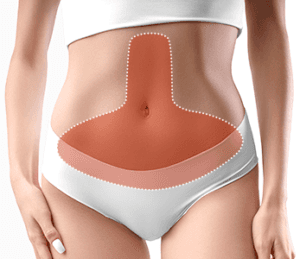
The best operation depends on where excess skin sits, whether the navel and abdominal fascia need treatment, the amount of flank laxity, prior scars, and the scar trade-off the patient accepts.
- Mini tummy tuck — Uses a shorter low abdominal incision for limited loose skin below the navel. It does not reliably correct substantial upper-abdominal excess and often does not require navel repositioning.
- Full tummy tuck — Treats laxity above and below the navel. It usually involves a hip-to-hip low scar, an incision around the navel, removal of excess skin, and possible rectus-fascia plication.
- Extended abdominoplasty — Extends the lower scar farther toward the hips or flanks to address lateral abdominal and hip skin excess.
- Circumferential abdominoplasty or lower body lift — Continues around the trunk for circumferential lower-torso laxity, often after major weight loss. It is substantially more extensive; historical pooled observational data reported VTE rates of 3.40% versus 0.35% for abdominoplasty alone, not a personal risk estimate.
- Fleur-de-lis tummy tuck — Adds a vertical midline scar to remove excess skin in both horizontal and vertical directions. It can suit massive-weight-loss anatomy, but the central scar is prominent. In a 55,596-patient database study, fleur-de-lis cases had the highest major-complication rate among the included abdominoplasty types; differing patient risk profiles limit direct comparison.
- Lipoabdominoplasty — Combines liposuction with skin excision and flap redraping. It is not automatically better than conventional abdominoplasty: tissue perfusion, nicotine exposure, prior surgery, anatomy, and the planned liposuction volume determine suitability.
- Drains or drainless closure — Closed-suction drains remove fluid after surgery. Some surgeons use progressive-tension sutures to reduce dead space and avoid drains. Ask for the clinic’s specific seroma-prevention, drain-removal, and follow-up plan rather than assuming either approach is best for everyone.
Why Visit Korea for a Tummy Tuck?
Korea has an established medical-tourism system and official resources that can help international patients identify eligible providers. Those resources support due diligence, not a claim that Korean tummy-tuck results are superior to those elsewhere. Modern, risk-adjusted international comparison data for Korean abdominoplasty outcomes were not identified.
- Official international-provider screening — Use Medical Korea’s provider directory and accredited-hospital listings as starting points to verify whether a facility serves international patients.
- Surgeon credential checks — Verify the named doctor’s plastic-surgery credentials through the Korean Society of Plastic and Reconstructive Surgeons search service. Confirm that the surgeon, not only a coordinator, will conduct the operative consultation and procedure.
- Medical-visa pathway — A C-3(M) medical visa pathway can be relevant for treatment and stays of 90 days or less, including cosmetic surgery. Passport-specific requirements still need confirmation with the appropriate Korean diplomatic mission.
- Evidence limitation — The Korean abdominoplasty literature identified includes small or older single-center work, not modern national registry data comparing complications, revisions, scars, or satisfaction across countries. Ask each provider for its own written information on facility, anesthesia staffing, overnight observation, emergency transfer, complication management, and revision policy.
Key Information for International Patients
- Minimum stay — Arrive 48–72 hours before surgery when feasible after long-haul travel and plan to remain in Korea for about 3 weeks after an uncomplicated tummy tuck. This allows in-person planning, wound checks, mobility assessment, and drain management or removal when applicable.
- Flight timing — The CDC advises medical tourists not to fly for 10 days after abdominal surgery. Ten days is a minimum precaution, not automatic clearance for a long-haul flight. Drains, wound problems, limited mobility, clot-risk factors, significant swelling, extended surgery, or combined procedures can require a longer stay.
- First-week reality — Expect a flexed posture, pain-control needs, compression if prescribed, frequent short walks, and help with luggage and daily tasks. Do not plan sightseeing, public-transit transfers with bags, or solo hotel changes.
- Work and activity — Light desk work is sometimes possible around weeks 2–3 only with surgeon approval. Lifting, core exercise, running, and strenuous activity generally remain restricted until healing permits a gradual return, often from about week 6.
- Follow-up before departure — Obtain an English discharge summary, operative and anesthesia records, medication list, wound and drain instructions, VTE-prevention plan, 24-hour contact details, and written fitness-to-fly advice. Arrange a clinician at home before leaving Korea.
Travel note: Book flexible flights and accommodation. A long-haul return date should move if wound healing, mobility, drain status, or clot-risk assessment does not support travel.
Which Are the Best Clinics in Korea for Tummy Tuck?
Listed below are some of the best clinics in Korea for tummy tuck.
1. Lydian Plastic Surgery Clinic
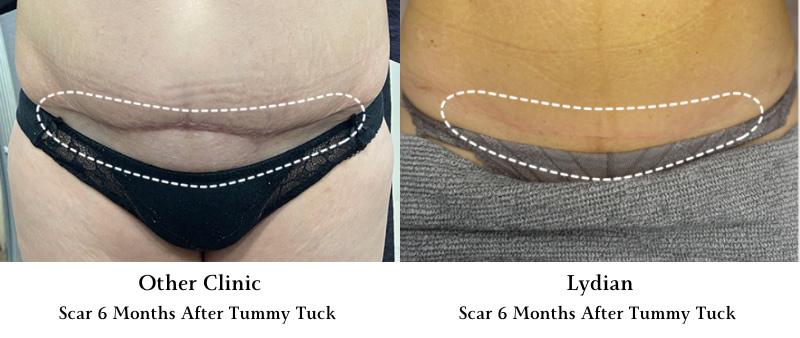
For your tummy tuck, Lydian Plastic Surgery Clinic emphasizes lower abdominal incision placement below the panty line, faint-scar-focused suturing, and individualized navel shaping that can include sculpting surrounding fascia and subcutaneous fat. The clinic also describes abdominoplasty as removal of excess abdominal skin and fat with tightening of the abdominal wall muscles, an option often considered after pregnancy or substantial weight change.
- URL: Lydian Plastic Surgery Clinic Website
- Location: Gangnam-gu, Seoul
- Scar and navel approach:
- Incision lines are planned below the panty line.
- The clinic describes Dr. An’s suturing technique as intended to make visible scars faint.
- Navel reshaping is tailored to your anatomy rather than simply repositioning skin; surrounding fascia and fat may be sculpted for a natural-looking contour.
- Body contouring planning:
- Anatomy-based planning considers factors such as waist length, pelvic size, chest circumference, proportions, and curves.
- Quantificare 3D imaging is used for presurgical design and before-and-after visualization.
- If liposuction is incorporated into your plan, the clinic reports using more than 30 custom cannula types and limiting access points to one or two strategically concealed incisions when appropriate.
- Aftercare and related concerns:
- The clinic’s four-part aftercare program addresses swelling reduction, contour irregularities, skin-elasticity recovery, and residual-fat contouring.
- Specialized devices for stretch marks and skin sagging are available alongside liposuction-related care.
- Surgeon background:
- Dr. An is identified as Director of the 5D Liposculpture Academy and as responsible for physician training in high-definition body sculpting and liposuction devices.
- The clinic states that Dr. An has more than two decades of body-sculpting experience and has served as a clinical professor.
2. THEPLUS Plastic Surgery
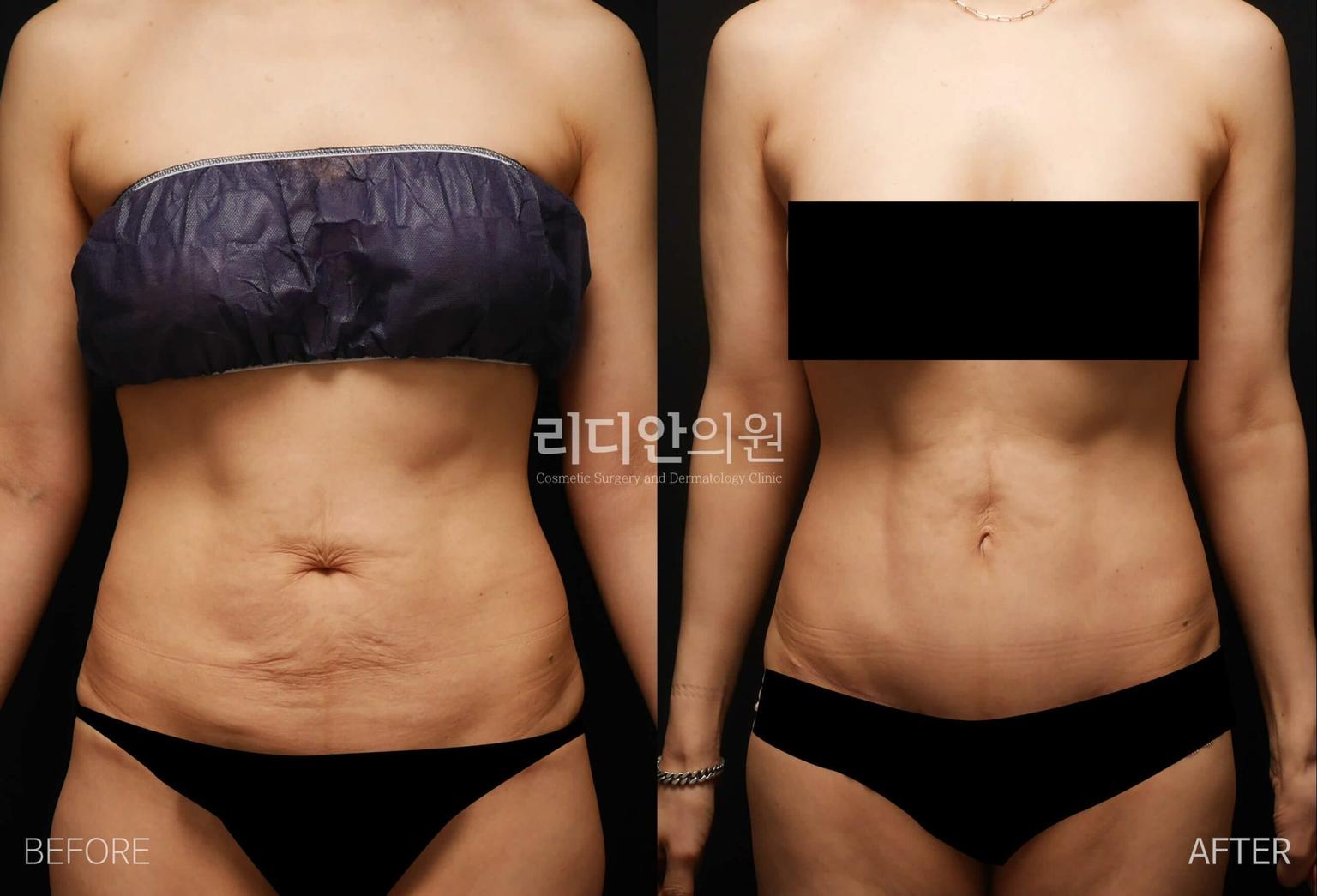
THEPLUS Plastic Surgery may be worth discussing if you are seeking a clinic with documented body-contouring liposuction alongside a broad plastic-surgery practice, although the supplied information does not specifically list tummy tuck or abdominoplasty as a service. You would need to confirm directly whether your abdominal skin excess and muscle-tightening needs can be assessed and treated there.
- URL: THEPLUS Plastic Surgery Website
- Location: Gangnam-gu, Seoul
- Relevant listed service: Liposuction is listed for localized fat deposits and contour refinement; it is described as body contouring rather than a weight-loss procedure.
- Other surgical specialties:
- The clinic lists breast procedures, facial contouring, eye surgery, rhinoplasty, face lifting, and stem-cell treatment.
- Dr. Lee is described as a board-certified plastic surgeon specializing in breast augmentation, with prior experience as a surgery specialist at Seoul National University Hospital.
- Dr. Kim and Dr. Jeong are described as rhinoplasty and facial-contouring specialists who also provide education to other plastic surgeons.
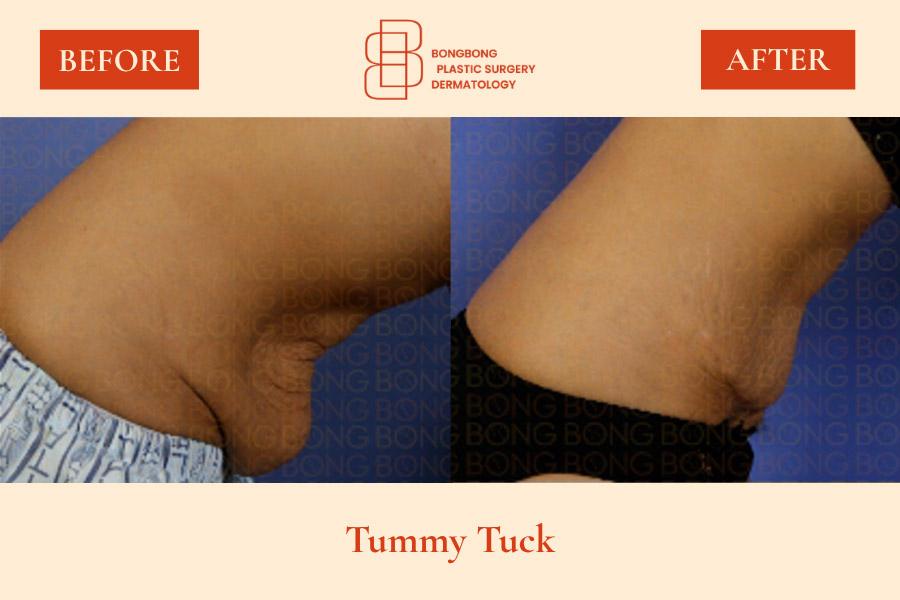
3. BongBong Plastic Surgery Dermatology
For your tummy tuck, BongBong Plastic Surgery Dermatology offers abdominoplasty to remove excess abdominal skin and fat while tightening weakened or separated abdominal muscles, with the goal of a firmer, flatter abdominal contour. Its broader body-reshaping services may also be relevant if you are considering contour refinement or recovery support as part of your plan.
- URL: BongBong Plastic Surgery Dermatology Website
- Location: Gangnam-gu, Seoul
- Procedure details:
- The clinic describes tummy tuck surgery as addressing excess abdominal skin and fat as well as weakened or separated abdominal muscles.
- Liposuction is also available for localized fat deposits in areas that do not respond fully to diet and exercise.
- Body and breast services:
- Body-focused offerings include Brazilian butt lift, buttock implants, and buttock fillers.
- Breast options include implant augmentation, ADM-supported augmentation, fat-transfer augmentation, reconstruction, reduction, and correction of accessory breast tissue or nipple concerns.
- Supportive care:
- Lymphatic drainage massage is offered as supportive care commonly used after body-contouring procedures.
- Oxygen therapy and IV therapy are listed among the clinic’s wellness and recovery-support services.
- Scar and stretch-mark treatment is available, with methods selected according to the skin concern and condition.
How Much Does a Tummy Tuck Cost in Korea?
Tummy tuck pricing is supplied at ₩11,000,000–₩45,000,000 (approximately US$8,200–US$33,300). Individual quotes vary because the planned operation and perioperative requirements differ.
| Procedure Price | Korean Won (₩) | USD ($) |
|---|---|---|
| Low Price | ₩11,000,000 | $8,200 |
| High Price | ₩45,000,000 | $33,300 |
Exchange rate as of 2026-09-06: 1 KRW = 0.000741 USD.
What Affects the Price?
- Abdominoplasty type and treatment area — A mini tummy tuck treats limited laxity below the navel through a shorter incision, while a full procedure addresses skin and laxity above and below the umbilicus and commonly includes umbilical repositioning. Extended, circumferential, and fleur-de-lis procedures remove tissue across the flanks, around the trunk, or in both vertical and horizontal dimensions, requiring broader dissection, longer closure, and more operating time.
- Rectus-fascia plication — When diastasis or abdominal-wall laxity requires rectus-fascia plication, the surgeon adds an internal repair to the skin-removal and redraping work. This increases operative steps and operating time compared with a skin-focused procedure.
- Liposuction added to abdominoplasty — Lipoabdominoplasty or planned liposuction of the abdomen and flanks adds treated areas, fat-removal work, and consumables. The surgeon must also manage flap blood supply while planning the extent of liposuction, which increases procedural complexity.
- Drain and postoperative monitoring plan — A traditional drain strategy requires closed-suction drains and follow-up for output assessment and removal. A drainless approach uses progressive-tension sutures to reduce flap dead space; this adds fixation work during closure. The need for same-day discharge versus observation or overnight care also changes facility and monitoring resources.
Cost tip: Request an itemized quote that states what is included, including the proposed tummy-tuck type, plication, liposuction, anesthesia, facility or observation use, drains or drainless closure, compression, and scheduled follow-up.
The US$8,200–US$33,300 conversion is approximate, based on the supplied exchange rate of 0.000741 on 2026-09-06. Check the exchange rate again when budgeting.
Tummy Tuck From Start to Finish
- Remote screening and virtual consultation — Submit standardized front, side, and oblique photographs through the clinic’s secure channel, along with current weight and weight history, pregnancy plans, prior abdominal surgery or C-section details, medical conditions, allergies, medicines, supplements, and nicotine exposure. English-speaking or interpreter-supported consultations should clarify goals, but the operative plan remains provisional until examination.
- Travel and in-person consultation — Arrive 48–72 hours before surgery when possible. The surgeon examines skin excess, abdominal-wall laxity, scars, hernias, navel position, and flank contour, then confirms the planned scar, tissue removal, plication, liposuction, drain strategy, and realistic result.
- Testing, anesthesia review, and consent — Complete the medical and anesthesia assessment and any indicated blood work, pregnancy testing, or specialist clearance. Discuss the VTE-prevention plan, who administers anesthesia, overnight-observation criteria, emergency transfer arrangements, and the written complication and revision policy.
- Surgery — A full abdominoplasty generally uses a low transverse incision. The surgeon elevates and redrapes the abdominal flap, removes excess skin and variable subcutaneous fat, may tighten rectus fascia, creates a new opening for and repositions the navel, then closes the incision. Selected liposuction can be added when appropriate.
- Observation and discharge — Depending on surgical extent and health status, discharge occurs the same day or after overnight observation. Leave with dressings, prescribed medicines, compression instructions if used, and drains if the technique requires them. Arrange a responsible adult for the first night after outpatient surgery.
- In-Korea recovery visits — Attend all scheduled checks for flap and wound status, pain control, mobility, drain output and removal, and travel readiness. Report increasing swelling, wound drainage, fever, shortness of breath, or calf symptoms immediately rather than waiting for the next appointment.
- Return-home follow-up — Send agreed wound photographs and attend video or messaging follow-up as arranged. Continue care with a local clinician when needed, and contact the Korean surgical team promptly about wound opening, infection signs, fluid collection, scar concerns, or persistent pain.
Alternatives to a Tummy Tuck
The right alternative depends on whether the dominant concern is excess fat, an overhanging pannus, muscle separation, or mild skin laxity. Non-surgical options do not remove a substantial skin apron or duplicate abdominal-wall tightening; surgical alternatives involve different scars, recovery demands, and goals.
Abdominal Liposuction
Abdominal liposuction reduces localized subcutaneous fat when skin elasticity is good.
- Best fit — Disproportionate abdominal fat with firm, retractile skin and no major skin overhang or fascial laxity.
- Trade-off — It cannot remove a large apron of skin, repair diastasis, or reliably correct loose skin after pregnancy or major weight loss.
Panniculectomy
Panniculectomy removes an overhanging lower-abdominal pannus, often when it causes hygiene, rash, or mobility problems.
- Best fit — A functional skin overhang is the primary concern.
- Trade-off — It does not necessarily include navel reshaping, muscle plication, or the contouring steps of a cosmetic full tummy tuck.
Diastasis Recti Repair
Diastasis recti repair addresses separation or laxity of the rectus muscles when abdominal-wall function or bulging is the main problem.
- Best fit — Minimal redundant skin with a confirmed abdominal-wall concern.
- Trade-off — It does not remove substantial loose skin or fat unless paired with another procedure.
BodyTite
BodyTite is a minimally invasive radiofrequency-assisted contouring option for selected smaller fat deposits and mild laxity.
- Best fit — Mild contour concerns in patients seeking less downtime than excisional surgery.
- Trade-off — It cannot reproduce the skin removal or fascia tightening of abdominoplasty.
CoolSculpting
CoolSculpting is non-surgical cryolipolysis for selected localized fat bulges.
- Best fit — Small, pinchable fat deposits without significant skin laxity.
- Trade-off — It does not treat loose skin, diastasis, or an abdominal pannus, and it does not provide the contour change of surgery.
How Can I Prepare for a Tummy Tuck?
- Disclose every medicine and substance — Give the surgeon and anesthesia team a complete list of prescription medicines, anticoagulants, diabetes medicines, steroids, blood-pressure medicines, antidepressants, over-the-counter pain relievers, vitamins, herbal products, injections, alcohol, nicotine, and recreational drugs. Do not stop anticoagulants, diabetes medication, steroids, or other prescribed drugs without the clinician directing it.
- Follow the nicotine protocol — Stop cigarettes, vaping, nicotine replacement, and other nicotine products for the exact period required by the operating surgeon. Nicotine materially increases wound-healing risk; ask whether cotinine testing is required.
- Complete testing early — Provide prior operative reports, details of abdominal scars or hernias, VTE history, and medical-clearance documents. Complete requested laboratory tests and specialist review before the surgery date.
- Follow fasting instructions exactly — The anesthesia team will state when to stop solid food, clear liquids, and specific medicines. Do not use a generic fasting schedule from the internet.
- Prepare recovery lodging — Choose step-free or elevator-access accommodation near the facility, with a bed or recliner arrangement that supports a flexed posture. Arrange meals, hydration, transport, help with bags, childcare, and a companion for the first night if discharged as an outpatient.
- Avoid alcohol and sun exposure — Follow the surgeon’s alcohol restrictions before anesthesia and avoid sunburn or skin irritation on the abdomen before surgery.
- Protect the itinerary — Do not book tourism, strenuous activity, or a fixed early return flight. Build in time for drain management, wound checks, and delayed travel clearance.
Travel note: Obtain travel insurance terms in writing before booking. Many policies exclude elective cosmetic surgery, revisions, and treatment of complications abroad.
Confirm the treating surgeon’s individualized medication, fasting, nicotine, accommodation, and travel requirements; those instructions take precedence over general guidance.
Aftercare Advice
Protect healing and treat new symptoms as a reason to contact the surgical team, not as an inconvenience to manage alone.
- Walk, but do not strain — Take short, frequent walks once cleared to reduce immobility. Avoid lifting, pushing, pulling, running, weight training, core exercise, and strenuous activity until the surgeon permits progression; this is often around week 6 or later when healing is slower or surgery was extensive.
- Use compression and drains exactly as prescribed — Follow the clinic’s instructions for garment wear, dressing changes, showering, drain-output recording, and drain removal. Evidence does not establish one universal compression duration; a randomized trial after abdominoplasty with diastasis repair found one month non-inferior to 3–5 months for selected outcomes, but this does not replace the surgeon’s protocol.
- Protect incisions and scars — Keep incisions clean and dry as directed. Do not soak in baths, pools, hot tubs, or the sea until wounds are fully closed and the surgeon clears it. Once the incision is healed, protect scars from sunlight with clothing and broad-spectrum SPF 50.
- Avoid driving and heat — Do not drive while taking opioid pain medicine or while pain, tightness, and limited movement affect emergency braking. Avoid saunas, hot baths, and high-heat exercise until cleared.
- Know urgent warning signs — Seek urgent assessment for chest pain, shortness of breath, coughing blood, fainting, one-sided calf or thigh pain or swelling, rapidly enlarging abdominal swelling, uncontrolled bleeding, fever, spreading redness, pus or foul drainage, blue or black skin, wound opening, severe worsening pain, persistent vomiting, or markedly reduced urine output.
- Plan for gradual results — Bruising often improves over several weeks. Swelling can take about 3 months to substantially settle, while scars continue to mature for 6–12 months or longer. Stable weight and avoiding pregnancy help preserve contour.
Follow the treating doctor’s instructions over general timelines, attend every scheduled review, and contact the clinic promptly when healing appears abnormal.
Frequently Asked Questions
Related Blogs
Global Umbilicoplasty Pricing: How Korea’s Top Clinics Stack Up Against US, Turkey, and Mexico
Discover why Korea is becoming a sought-after destination for affordable belly button surgery, offering cutting-edge techniques and experienced surgeons. Explore the costs, benefits, and considerations involved in undergoing this cosmetic procedure in a country known for its advanced medical services.
Updated: Oct 21, 2026
Global Cost Perspective: Fat Dissolving Laser Treatment Costs in Korea vs. USA, Mexico, Turkey, and Thailand
Discover the cost and benefits of fat dissolving laser treatments in Korea, where cutting-edge technology meets affordability. Explore how this non-invasive procedure can help you achieve your body goals without breaking the bank.
Updated: Oct 21, 2026
A World of Difference: Comparing Body Fat Dissolving Laser Costs in Korea, USA, Mexico, Turkey, and Thailand
Discover the latest insights on the cost of body fat dissolving laser treatments in Korea, known for their advanced technology and competitive pricing. Explore how these innovative procedures provide an effective solution for those seeking to achieve their desired body contour.
Updated: Oct 21, 2026
Discover CoolSculpting Cost: Korea vs USA, Mexico, Turkey, and More – Why Korea Could Be Your Best Choice
Discover the latest insights on the cost of CoolSculpting in Korea, where advanced cosmetic treatments offer competitive prices. Explore factors influencing pricing and why Korea is becoming a popular destination for non-invasive fat reduction procedures.
Updated: Oct 21, 2026
Clinics offering Tummy Tuck
BongBong Plastic Surgery Dermatology Korea | Body, Breast & Aesthetic Treatments
Nonhyeon

THEPLUS Plastic Surgery Korea | Eye, Nose, Face & Body Surgery
Sinsa

Lydian Plastic Surgery Clinic in Korea: Superior Cosmetic Procedures by World-Renowned Expert Dr. An Kyung Chun
Apgujeong

Okay Plastic Surgery Clinic in Korea: Comprehensive Aesthetic Procedures with Sincerity and Care
Cheongdam