
Medical Tourism Blog
Dual Toning in Korea: Methods, Results, Recovery, Risks, and Travel Planning
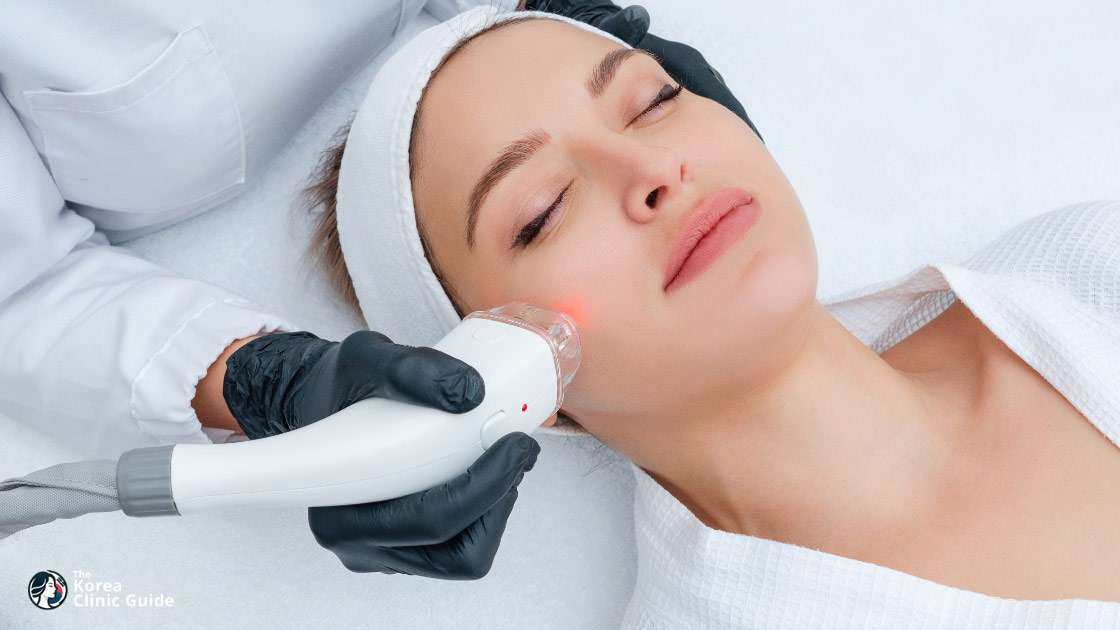
Table of contents
- Dual Toning at a Glance
- What Is Dual Toning?
- Who Is a Good Candidate for Dual Toning?
- How Is Dual Toning Performed?
- Why Visit Korea for Dual Toning?
- Key Information for International Patients
- Which Are the Best Clinics in Korea for Dual Toning?
- Dual Toning From Start to Finish
- Alternatives to Dual Toning
- How Can I Prepare for Dual Toning?
- Aftercare Advice
Considering treatment in Korea? Everything you need to know e.g. — how to avoid scams, visas, interpreters, recovery tips — in our Medical Tourism Master Guide. Plan with confidence in minutes, not weeks!
Last updated: September 2026
Dual Toning at a Glance
- What it is — Dual toning is a non-ablative pigment treatment, most commonly a low-fluence 1,064-nm Q-switched Nd:YAG pass followed by a micropulsed Nd:YAG pass, used to gradually improve melasma, PIH, and uneven tone.
- Course, not a one-off — Improvement is gradual and should be judged across a series: published schedules range from 10–12 sessions every 2 weeks to 5–10 monthly sessions, depending on the protocol.
- Minimal downtime — Warmth and mild redness usually settle within hours, while slight swelling can last 1–2 days; avoid sun, heat, saunas, strenuous exercise, and irritating skincare for 24–48 hours.
- Best candidates — It may suit adults with medically diagnosed diffuse melasma, post-inflammatory hyperpigmentation, or uneven tone who can commit to strict daily UV and visible-light protection and accept maintenance treatment.
- Pigment risks — Overtreatment can cause burns, rebound darkening, mottled hypopigmentation, or leukoderma, especially in melanin-rich or PIH-prone skin; cumulative session number is linked with hypopigmentation risk.
- Korea travel planning — Plan 1–2 days in Korea for an uncomplicated single session, but a full course cannot fit into a short trip; arrange maintenance and complication care at home before traveling.
- Confirm the protocol — “Dual toning” is not standardized, and Korean clinics may use the term for different laser combinations; request the diagnosis, device model, wavelengths, pulse modes, settings, passes, and an English treatment record.
What Is Dual Toning?
Dual toning is a non-ablative laser treatment that combines two low-intensity laser passes to gradually treat excess facial pigment. It aims to improve melasma, post-inflammatory hyperpigmentation, and uneven skin tone while supporting a more even complexion. It is a minimally invasive, non-surgical procedure that does not remove or cut the skin.
Who Is a Good Candidate for Dual Toning?
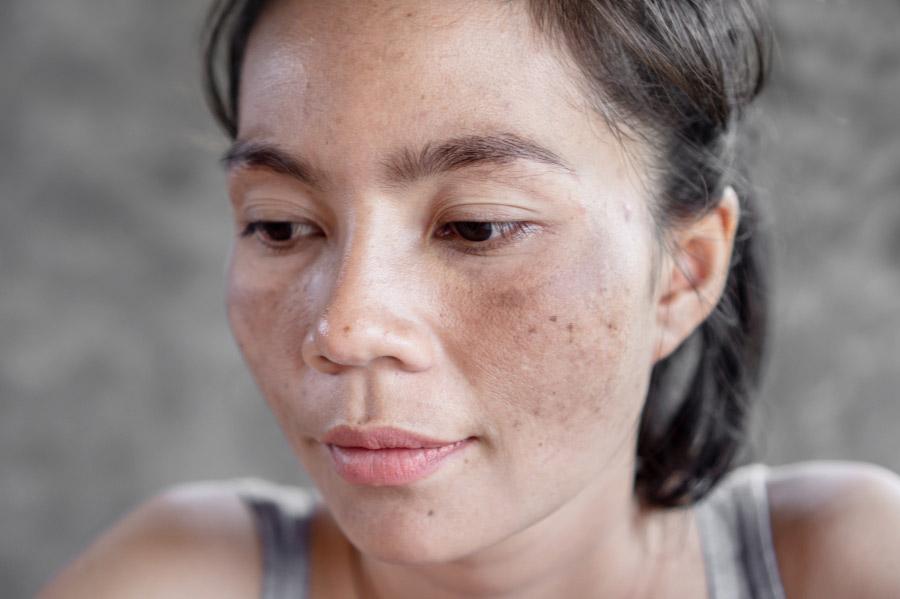
- Diffuse pigment concerns — Good candidates have medically assessed facial melasma, post-inflammatory hyperpigmentation (PIH), or uneven tone and want gradual improvement rather than immediate pigment removal.
- Maintenance-focused patients — Candidates can commit to daily broad-spectrum sun protection, including visible-light protection for melasma, and understand that recurrence remains possible.
- Conservative treatment goals — Dual toning suits people prepared for a series of low-intensity sessions rather than an aggressive one-visit approach.
- Risk-aware skin types — People with melanin-rich or PIH-prone skin need particularly conservative settings, as low-fluence Nd:YAG toning can still cause burns, rebound pigmentation, and hypopigmentation when overtreated, as outlined in this systematic review of laser toning for melasma.
Dual toning is unsuitable until a changing, asymmetric, bleeding, or otherwise suspicious pigmented lesion has been medically diagnosed; it does not treat melanoma or other skin cancers. Defer treatment during pregnancy, active cold sores or facial infection, open wounds, sunburn, significant acne, dermatitis, eczema, or rosacea flare. A history of vitiligo or Koebner phenomenon, laser-induced hypopigmentation, hypertrophic scarring, or substantial PIH requires specialist assessment, often with a test area and conservative parameters. Adults with hormonally or light-triggered melasma should also accept that laser treatment is an adjunct, not a permanent cure after one session.
How Is Dual Toning Performed?
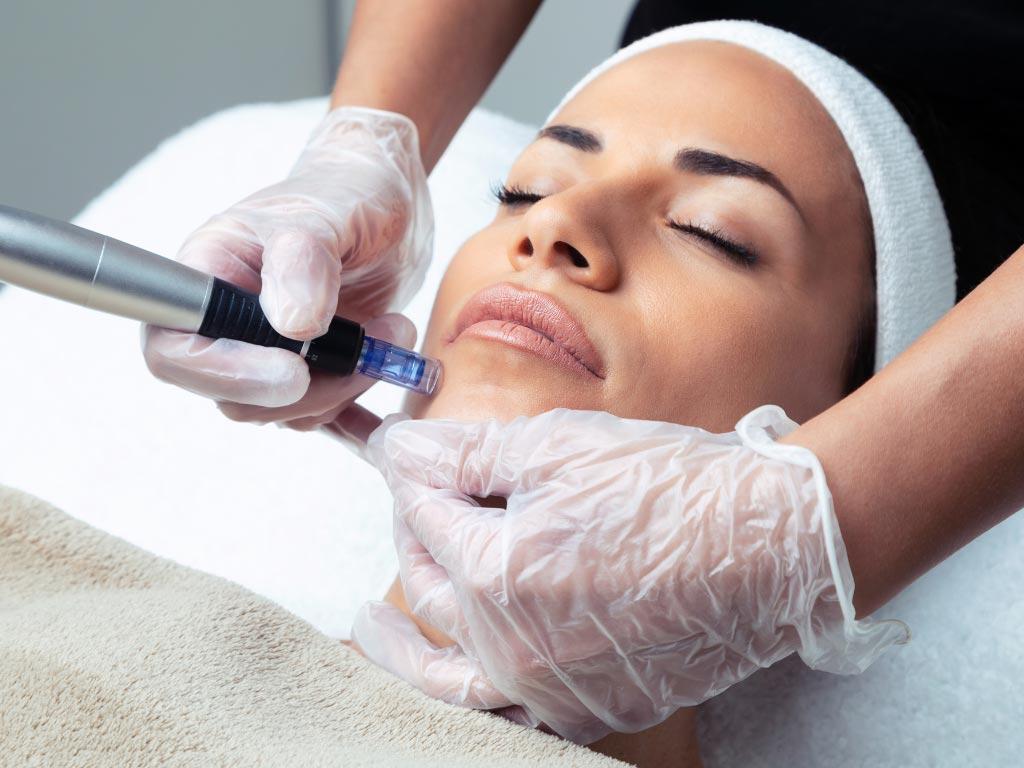
“Dual Toning” is an umbrella label, not a standardized device pair or protocol. Confirm the exact device model, wavelengths, pulse modes, treatment passes, and intended target before booking; evidence for one method does not automatically apply to another.
- Classic sequential Nd:YAG protocol — A low-fluence, nanosecond Q-switched 1,064-nm Nd:YAG pass is followed immediately by a longer 300-microsecond micropulsed Nd:YAG pass. In the foundational prospective study, clinicians used two to three overlapping passes of each mode without anesthetic and aimed for mild, even redness; 30 Korean women received 10–12 sessions at two-week intervals in this published protocol.
- Q-switched plus microsecond Nd:YAG evidence — A 2025 evaluator-blinded split-face study compared Q-switched 1,064-nm toning alone with the same treatment plus a 250-microsecond pass. Both sides improved early after 5–10 monthly treatments; the combination side had a lower melanin index at 12 months, but no significant between-side difference in VISIA pigmentation-index reduction. The small, single-center study had 28 enrolled participants and 21 completers, so it does not establish universal or durable superiority, as detailed in the 12-month trial report.
- Clinic-specific combinations — Some clinics use the name for picosecond plus Nd:YAG treatment, or a pigment laser combined with a vascular or texture-focused device. These combinations have different aims, downtime, and PIH risk. Ask whether the second pass targets pigment, redness, pores, or texture.
Why Visit Korea for Dual Toning?
Korea is relevant to the history and availability of laser toning, but treatment location alone does not prove a better outcome. The key safeguard is a documented diagnosis and a clearly specified laser protocol. There are no high-quality head-to-head data showing that dual toning in Korea is safer or more effective than the same protocol elsewhere.
- Korean-patient foundational research — The original sequential Q-switched plus micropulsed 1,064-nm Nd:YAG study involved 30 Korean women with Fitzpatrick IV skin, making it directly relevant to a commonly marketed Korean dual-toning protocol, though it was small and uncontrolled research.
- Access to defined Nd:YAG protocols — International patients can ask Korean clinics to document whether the treatment is true sequential 1,064-nm Q-switched and micropulsed Nd:YAG rather than an unrelated package sold under the same name.
- Useful treatment documentation — Request an English record listing the diagnosis, device and model, wavelengths, settings, number of passes, clinical photographs, aftercare instructions, and emergency contact. This is essential for continuity of care after returning home.
- Evidence limits — Research remains insufficient to define the best settings, session spacing, maintenance schedule, or outcomes in Fitzpatrick V–VI skin. A meta-analysis also found that apparent benefit from low-fluence Nd:YAG toning diminishes over time and that hypopigmentation or leukoderma correlates with the number of sessions.
Key Information for International Patients
- Minimum stay — Plan 1–2 days for one uncomplicated session: an in-person assessment and treatment day, with flexibility for a next-day review if irritation develops. A meaningful course cannot realistically be completed during a short trip.
- Repeat-treatment planning — Published schedules differ substantially. The classic dual-mode protocol used 10–12 sessions every two weeks, while the 2025 study used 5–10 monthly sessions. Arrange maintenance and complication care with a qualified clinician at home before traveling.
- Flight timing — No dual-toning-specific evidence requires a routine no-fly interval after a single non-ablative session. Same-day or next-day commercial travel is generally practical when the skin is intact and the patient feels well; postpone travel and seek assessment for blistering, marked swelling, or infection.
- Itinerary impact — Expect warmth, mild redness, and occasional slight swelling for hours to 1–2 days. Avoid planned beach time, outdoor sightseeing without shade, saunas, hot springs, steam rooms, and vigorous exercise for 24–48 hours.
- Remote follow-up — Obtain a direct clinic contact and send well-lit photographs promptly if symptoms worsen. Remote review is useful for minor reactions, but escalating pain, blistering, crusting, pus, fever, new white spots, or rapidly worsening pigment need in-person care.
Travel note: Routine blood tests, fasting, intravenous sedation, hospital admission, a driver, overnight companion, and special accommodation are not ordinarily needed for uncomplicated facial laser toning.
Which Are the Best Clinics in Korea for Dual Toning?
Listed below are some of the best clinics in Korea for dual toning.
1. Three Wishes Clinic - Myeongdong
If you are considering Dual Toning at Three Wishes Clinic - Myeongdong, the supplied clinic information does not specify a Dual Toning protocol, laser device, or treatment parameters. Its listed skin-treatment options do include CO2 laser resurfacing, chemical peels, PDT acne treatment, Rejuran Healer, and customized skincare, which may be relevant when discussing concerns such as texture, acne scars, uneven tone, or maintenance care.
- URL: Three Wishes Clinic - Myeongdong Website
- Location: Jung-gu, Seoul
- Listed skin treatments:
- CO2 laser resurfacing is listed for wrinkles, acne scars, and overall skin texture through removal of damaged skin layers and collagen stimulation.
- Chemical peels are listed for fine lines, sun damage, uneven tone, and mild scars.
- PDT acne treatment is listed to target acne-causing bacteria and reduce inflammation.
- Rejuran Healer uses polynucleotide injections intended to support skin regeneration, texture, elasticity, and fine lines.
- Other aesthetic options:
- Shurink is listed as an ultrasound-based lifting and tightening treatment for the face or body.
- The clinic also lists Botox, dermal fillers, fat-dissolving injections, and thread lifting.
- Customized skincare treatments include cleansing, hydration, and maintenance-focused facials.
2. You&I Clinic - Gwangju
At You&I Clinic - Gwangju, Dual Toning combines two laser technologies to address pigmentation and rough texture, with the stated aim of improving overall skin clarity. You can also discuss related laser options when your concerns include general tone, stubborn pigment, fine lines, scars, or uneven texture.
- URL: You&I Clinic - Gwangju Website
- Location: Seo-gu, Gwangju
- Laser options:
- Laser Toning is listed as a non-invasive option for skin rejuvenation, pigment correction, texture, and more even-looking tone.
- Pico Toning uses picosecond laser technology for pigmentation, texture concerns, stubborn spots, and fine lines.
- Pico Fraxel is listed for scars, fine lines, and texture, with collagen-stimulating effects.
- Cryo Therapy is listed to help soothe sensitive skin, reduce inflammation, and support skin rejuvenation.
- Complementary skincare:
- Aqua Peel cleanses, exfoliates, and hydrates while targeting pore buildup and dead skin cells.
- Vitamin Care is listed to support radiance and hydration.
- Sono Care uses ultrasound to aid deeper delivery of skincare products.
- LDM is listed for hydration, regeneration, and acne care using ultrasound and laser.
3. You&I Clinic - Cheonan
At You&I Clinic - Cheonan, Pico Dual Toning combines two wavelengths to target deeper pigmentation and support a more even skin tone, making it a listed option for complex pigment concerns. You can also consider related toning and resurfacing treatments depending on whether pigment, melasma, texture, scars, or sun damage is your primary concern.
- URL: You&I Clinic - Cheonan Website
- Location: Seobuk-gu, Cheonan-si, Chungnam
- Toning and resurfacing options:
- Laser Toning is listed for pigment-related concerns, including melasma and hyperpigmentation, as well as texture and tone improvement.
- Pico Toning uses picosecond technology to break down pigment while minimizing effects on surrounding tissue.
- Full-face Fraxel is listed for wrinkles, scars, sun-damaged skin, texture, and tone, with collagen stimulation.
- Nose Fraxel is listed for fine lines and uneven texture localized to the nose.
- Supportive skin care:
- Aqua Peel is listed for pore cleansing and hydration.
- Vitamin Management supplies vitamins intended to support skin health and vitality.
- Cryotherapy is listed to reduce inflammation, promote collagen production, and tighten skin.
- Sonocare uses ultrasound to improve penetration of active ingredients and provide hydration.
- Rejuran Healer 2cc is listed for skin regeneration, elasticity, texture, and hydration.
Dual Toning From Start to Finish
- Remote inquiry and English consultation — Send unfiltered daylight photographs, the duration and pattern of discoloration, previous lasers or peels, Fitzpatrick skin type, history of PIH or laser complications, recent sun exposure, cold sores, pregnancy or breastfeeding status, and a complete medication and supplement list. Confirm whether an English virtual consultation is available.
- Diagnosis and plan confirmation — At the in-person assessment, the clinician distinguishes melasma from PIH, lentigines, a nevus, active inflammation, or another cause of discoloration. Ask for the diagnosis, device model, wavelengths, pulse modes, settings strategy, session interval, and clinician responsible for each laser pass.
- Test area when indicated — Reactive skin, a history of PIH, vitiligo tendency, or prior laser complications can justify a conservative test spot before broader facial treatment. Routine blood tests are not normally required.
- Skin preparation and eye protection — The face is cleansed and protective eyewear is applied. Topical anesthetic is usually unnecessary for the classic low-fluence sequential Nd:YAG method.
- Laser delivery — In the best-described protocol, the clinician delivers low-fluence Q-switched 1,064-nm Nd:YAG toning followed by a micropulsed 1,064-nm Nd:YAG pass. The foundational study used two to three overlapping passes per mode and mild, even redness as the endpoint in its sequential treatment method.
- Cooling and discharge — Cooling is applied as needed. Most people leave promptly without dressings or formal downtime, with written aftercare, a contact method for delayed reactions, and a complete English treatment record.
- Recovery and course review — Warmth and redness usually settle within hours; mild swelling can last 1–2 days. Evaluate improvement across the planned course rather than after one visit.
- Overseas follow-up — Share standardized photographs with the Korean clinic as arranged, and use a local dermatologist for any concerning reaction or future maintenance after returning home.
Alternatives to Dual Toning
The right alternative depends on the diagnosis, pigment depth, skin type, prior response, and tolerance for downtime. Non-surgical pigment treatments avoid incisions, but none reliably eliminates chronic melasma permanently, and overly aggressive treatment can worsen PIH or trigger rebound pigment.
Standard Laser Toning
- What it involves — Low-fluence Q-switched 1,064-nm Nd:YAG without the added microsecond pass.
- Tradeoff — It has fewer treatment variables but shares the recurrence and pigment-complication concerns of dual toning. Read about laser toning.
Pico Toning
- What it involves — A picosecond laser approach used for selected pigment concerns.
- Tradeoff — It is not proven universally superior for melasma and still requires conservative parameters in melasma-prone or melanin-rich skin. See pico toning.
Medical Pigmentation Treatment
- What it involves — A clinician-directed program using tinted broad-spectrum photoprotection and pigment-modulating topical treatment such as hydroquinone, triple-combination cream, azelaic acid, or cysteamine.
- Tradeoff — This is often the foundation of melasma management and requires consistent long-term use rather than a device-based visit. Explore pigmentation treatment.
Superficial Chemical Peels
- What it involves — Superficial peeling can be used as an adjunct for selected pigment concerns.
- Tradeoff — Deeper or overly frequent peeling increases irritation and PIH risk. Learn more about chemical peels.
IPL
- What it involves — Intense pulsed light can address selected superficial pigment and redness concerns.
- Tradeoff — It is not automatically suitable for melasma-prone skin and can provoke rebound pigmentation when the diagnosis, settings, or aftercare are wrong. See IPL treatment.
How Can I Prepare for Dual Toning?
- Confirm the diagnosis — Do not book treatment for an undiagnosed dark spot. Ask whether the concern is melasma, PIH, lentigines, redness, or another condition, because each requires a different plan.
- Prevent tanning — Avoid sunburn, deliberate tanning, tanning beds, and sun lamps before treatment. Use broad-spectrum SPF 30 or higher daily; for melasma or PIH, choose a tinted formula with iron oxides for visible-light protection, reapply at least every two hours outdoors, and use shade and a wide-brimmed hat.
- Bring all skincare products — Show the clinician topical retinoids, exfoliating acids, benzoyl peroxide, scrubs, depilatories, and at-home energy devices. The clinic may pause irritating actives before and briefly after treatment; do not stop prescription products without the treating clinician or prescriber’s direction.
- Disclose medicines and supplements — Report every prescription, over-the-counter, herbal, and supplement product. Specifically flag tetracycline antibiotics, thiazide diuretics, amiodarone, retinoids, and St John’s wort because they can affect photosensitivity or healing. Do not stop medicines independently.
- Discuss isotretinoin individually — Do not assume a universal six-month exclusion for non-ablative lasers. An ASDS expert consensus summarized in the systematic review found insufficient evidence to delay non-ablative lasers solely for current or recent isotretinoin exposure, but resurfacing combinations and individual history change the decision.
- Arrive with clean skin — Attend without makeup if requested. Eat and hydrate normally unless the clinic gives different instructions; uncomplicated dual toning does not usually require fasting.
- Plan a low-heat schedule — Avoid booking outdoor tours, beach activities, saunas, hot springs, or strenuous workouts for 24–48 hours after treatment.
Travel note: Keep flights and the first day after treatment flexible so that an unexpected reaction can be reviewed before departure.
Confirm the treating doctor’s clinic-specific requirements, which take precedence over general preparation guidance.
Aftercare Advice
Protect the treated skin from heat, irritation, and light exposure; long-term photoprotection is part of pigment management, not optional cosmetic aftercare.
- Gentle skincare — Use a fragrance-free cleanser and bland moisturizer. Avoid rubbing, picking, exfoliation, facial brushes, waxing, depilatories, and at-home energy devices until redness and sensitivity have resolved.
- Heat and exercise restriction — Avoid vigorous exercise, saunas, steam rooms, hot yoga, hot springs, very hot showers, and deliberate sun exposure for 24–48 hours unless the treating doctor gives device-specific instructions.
- Sun and visible-light protection — Apply broad-spectrum SPF 50 sunscreen daily after treatment. For melasma and PIH, use a tinted iron-oxide sunscreen, reapply every two hours outdoors, and add a hat and shade.
- Makeup and routine actives — Resume makeup only when there is no significant heat, tenderness, or redness. Restart retinoids, acids, benzoyl peroxide, and other potentially irritating actives only on the clinic’s timeline.
- Warning signs — Contact the clinic promptly for increasing pain, blistering, crusting, pus, spreading rash, fever, rapidly worsening swelling, substantially darker pigment, or sharply defined white spots. Do not undergo another laser session until persistent mottled hypopigmentation or rebound hyperpigmentation has been assessed.
- Results and maintenance — Mild redness usually resolves within hours, while slight swelling can last 1–2 days. Results are gradual across a series; recurrence remains common in melasma, and repeated exposure increases the concern for hypopigmentation or leukoderma according to a meta-analysis of low-fluence Nd:YAG toning.
Follow the treating doctor’s individualized instructions and contact the clinic when anything appears wrong.
Frequently Asked Questions
Related Blogs

Korea vs. the World: Unveiling the Cost Dynamics of Titanum Lifting in Beauty Capitals
Explore the cost of titanium lifting in Korea, a popular non-surgical facelift technique that promises rejuvenation without the downtime of traditional surgery. This article delves into the factors influencing prices and what to expect when considering this innovative beauty treatment.
Updated: Oct 25, 2026

Explore Global Stretch Mark Treatment Prices: Why Korea's Cutting-Edge Solutions Could Be Your Best Choice
Discover the affordable and innovative stretch mark treatments available in Korea, renowned for combining advanced technology with expert care. Explore pricing options that cater to various budgets and ensure top-quality results for smooth, radiant skin.
Updated: Oct 25, 2026
Korea vs. Global: Analyzing the Cost of EmSculpt Fat Dissolving Laser in Leading Medical Destinations
Discover the latest insights on the cost of EmSculpt Fat Dissolving Laser treatments in Korea, a popular destination for cosmetic enhancements. Explore factors that influence pricing and find out what makes Korea a top choice for this innovative body contouring procedure.
Updated: Oct 25, 2026

Unlock Radiant Skin: Global Cost Comparison of Skin Whitening Injections from Korea to the World
Discover the latest insights on the cost of skin whitening injections in Korea, exploring pricing trends and factors influencing affordability. Uncover key information about this popular cosmetic procedure and its accessibility for those seeking radiant, lighter skin tones.
Updated: Oct 25, 2026
Clinics offering Dual Toning

Three Wishes Clinic - Myeongdong, Korea: Advanced Botox, Fillers, Laser, and Skin Treatments for Confidence and Care
Myeongdong
Cellinique Clinic Korea: Advanced Stem Cell and Laser Treatments for Health, Beauty, and Rejuvenation in Gangnam
Apgujeong

VandS Dermatology Clinic - Dongtan, Korea: Comprehensive Skin Care and Cosmetic Procedures for Youthful, Radiant Skin
Hwaseong

BLS Main Branch Korea (Cheongdam) – Signature Lifting, Skin Analysis & Event Facial Programs
Cheongdam