
Medical Tourism Blog
Thermage Lifting in Korea: Candidacy, Recovery, Results, and Travel Planning
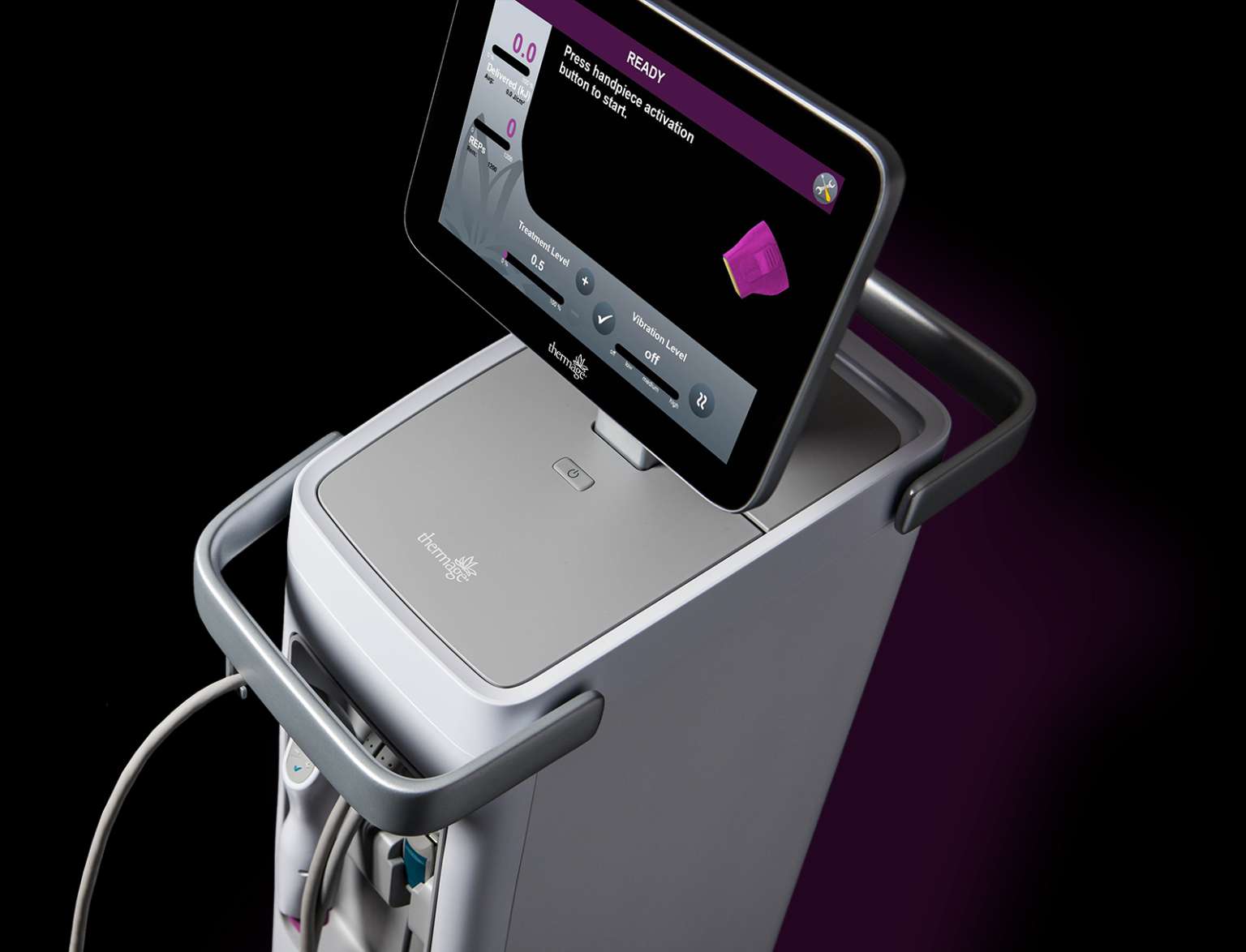
Table of contents
- Thermage Lifting at a Glance
- What Is Thermage Lifting?
- Who Is a Good Candidate for Thermage Lifting?
- What Are the Different Types of Thermage Lifting?
- Why Visit Korea for Thermage Lifting?
- Key Information for International Patients
- Which Are the Best Clinics in Korea for Thermage In?
- Thermage Lifting From Start to Finish
- Alternatives to Thermage Lifting
- How Can I Prepare for Thermage Lifting?
- Aftercare Advice
Considering treatment in Korea? Everything you need to know e.g. — how to avoid scams, visas, interpreters, recovery tips — in our Medical Tourism Master Guide. Plan with confidence in minutes, not weeks!
Last updated: September 2026
Thermage Lifting at a Glance
- What it is — Thermage FLX is a noninvasive monopolar radiofrequency treatment that heats the dermis to support gradual collagen remodeling for wrinkles, skin texture, and mild-to-moderate laxity; it involves no incisions or injections.
- Best suited for — Adults with early facial or neck laxity, fine lines, crepey skin, or static wrinkles who want subtle, non-surgical improvement are the best candidates; substantial jowls, major tissue descent, excess skin, and platysmal bands usually require surgical assessment.
- Results and longevity — Some tightening may be visible early, but the meaningful result develops over about 2–6 months; the manufacturer states results may last roughly 1–2 years, with maintenance determined individually.
- Recovery and treatment time — Treatment commonly takes 30–60 minutes depending on the area, with little to no social downtime; mild redness, swelling, or tenderness commonly resolves within about 24 hours, and normal daily activity can usually resume shortly afterward.
- Korea travel plan — One treatment day is generally sufficient, but international patients should ideally allow 2 days in Korea so the clinic can assess any early reaction before departure; an uncomplicated same-day flight is possible, although next-day long-haul travel is more practical.
- Important safety limitation — Thermage should not be used in anyone with a pacemaker, ICD/AICD, or other implanted electrical device, and treatment must be deferred on infected, open, severely inflamed, irritated, or sunburned skin.
- Korea-specific practice — In a 2020 survey of 52 Korean Thermage FLX users, 51.9% reported treating at about yearly intervals and 86.5% preferred the 600-REP 4 cm² Total Tip; these are local clinician practice patterns, not required protocols or evidence of better outcomes.
What Is Thermage Lifting?
Thermage Lifting is a noninvasive treatment that uses monopolar radiofrequency energy to heat the skin and support gradual collagen remodeling. It aims to modestly improve wrinkles, texture, and mild facial or neck skin laxity without the results of a surgical facelift. It is a non-surgical procedure with no incisions or injections.
Who Is a Good Candidate for Thermage Lifting?
- Early laxity and static wrinkles — Good candidates want gradual improvement in mild-to-moderate facial or neck laxity, fine lines, crepey texture, or wrinkles without incisions or injectable volume.
- Realistic non-surgical goals — Thermage FLX is intended for wrinkle treatment, including upper- and lower-eyelid rhytids; it does not produce a surgical-facelift result, remove fat, or reliably correct heavy jowls and substantial loose skin.
- Appropriate skin profile — Skin thickness, baseline skin quality, volume loss, and the location of laxity affect responsiveness. A Korean survey of Thermage FLX users identified skin thickness as an important factor, while its finding that patients in their 40s were commonly considered suitable was clinician opinion rather than a formal age indication or result guarantee.
- Able to accept gradual change — Some early tightening can be visible, but meaningful collagen remodeling is assessed over roughly 2–6 months.
Thermage is for adults, not children, and is unsuitable for people with a pacemaker, ICD/AICD, or another implantable electrical device because RF current can interfere with the device. Defer treatment over infected, open, severely inflamed, irritated, or sunburned skin. Pregnancy, breastfeeding, diabetes, lupus or other autoimmune disease, epilepsy, herpes simplex/cold-sore history, tattoos or permanent makeup in the area, and existing fillers require individualized assessment because the manufacturer identifies these as populations or settings not adequately studied. Periocular treatment requires correctly placed plastic ocular shields; metal eye shields must not be used.
What Are the Different Types of Thermage Lifting?
Thermage FLX treatment is selected by anatomical area and treatment tip rather than by a different surgical technique. A quoted number of pulses or “shots” documents the session; it does not guarantee a stronger result.
- Full face, lower face, and jawline — Used for diffuse facial wrinkles, texture concerns, and mild laxity or definition concerns. It is not a substitute for surgery when tissue descent and jowling are pronounced.
- Targeted facial zones — Focuses on areas such as the cheeks, jawline, forehead, or around the mouth when a concern is localized or a prior result is being maintained.
- Neck treatment — Targets mild crepiness and laxity. Significant skin excess and prominent platysmal bands generally need surgical assessment.
- Periorbital and eyelid treatment — Treats wrinkles around the eyes and, within the FDA-cleared Thermage FLX labeling, upper- and lower-eyelid rhytids. Safe use depends on plastic ocular shields being placed for eyelid or within-orbital-rim treatment.
- Selected body areas — The device can treat wrinkles and, when RF and vibration are applied together, temporarily improve the appearance of cellulite. It is not a weight-loss, fat-reduction, or body-contouring treatment.
Why Visit Korea for Thermage Lifting?
Korea is a practical destination for a treatment that is normally completed in one visit and has little social downtime. International patients can arrange a remote consultation before travel and obtain a written treatment record for follow-up at home. There is no high-quality evidence that Thermage FLX performed in Korea delivers better results or fewer complications than treatment elsewhere.
- Established international-care infrastructure — Korea’s national Medical Korea platform provides information for overseas patients seeking Korean healthcare, which can help with pre-travel orientation and care coordination.
- Documented local Thermage FLX practice patterns — In a 2020 questionnaire of 52 Korean dermatologists using Thermage FLX, 86.5% preferred the 600-REP 4 cm² Total Tip and 51.9% reported a usual interval of one year. These are surveyed practice patterns, not an official protocol, required pulse count, or proof of superior outcomes.
- Device verification matters more than destination — Confirm that the device is Thermage FLX, the provider is trained to use it, and the treatment tip and return pad are single-patient-use items, as specified in the manufacturer’s professional guidance.
- Evidence limitation — Published evidence often concerns earlier Thermage generations or Thermage CPT rather than standalone FLX. A recent randomized study using Thermage CPT as a comparator cannot be used as a direct FLX outcome or complication-rate estimate.
Key Information for International Patients
- Recommended stay — One treatment day is usually medically sufficient. Plan about two days in Korea when practical: consultation and treatment on day 1, with day 2 available for assessment of unexpected redness, swelling, pain, or a skin reaction.
- Flight timing — No authoritative Thermage-specific minimum wait before commercial flying was identified. Same-day departure is possible after an uncomplicated session, but schedule a long-haul flight the next day when possible.
- Repeat visits — Thermage is generally a single-session treatment rather than a mandatory course. Results are reassessed over 2–6 months; maintenance is individualized. In the Korean clinician survey, one year was the most commonly reported interval, not a required schedule.
- Itinerary impact — Ordinary activity generally resumes shortly after treatment. Avoid scheduling sauna visits, hot springs, intensive workouts, aggressive facials, or direct sun exposure immediately afterward in case the skin remains warm, red, swollen, or tender.
- Remote follow-up — Before departure, obtain an English treatment summary stating the device, treated areas, tip, and treatment record/pulse count, plus a direct post-treatment contact route. Send clear photographs promptly if a concerning reaction develops.
Travel note: Delay travel and contact the clinic for marked swelling, escalating pain, blistering, a burn-like area, or eye pain or visual symptoms after periocular treatment.
Which Are the Best Clinics in Korea for Thermage In?
Listed below are some of the best clinics in Korea for thermage in.
1. Hev Clinic
For Thermage In, you can expect a single-session radiofrequency treatment planned by treatment area, using face, eye, or body tips to deliver even dermal heating for gradual improvement in firmness, texture, and pores. Hev Clinic uses Thermage FLX with AccuREP technology and may pair it with Ultherapy Prime when your plan calls for treatment across different skin layers.
- URL: Hev Clinic Website
- Location: Gangnam-gu, Seoul
- Procedure details:
- Thermage uses 450 kHz radiofrequency and a vibrating sliding handpiece designed to distribute heat evenly.
- You may notice an initial tightening effect, with collagen-related improvement continuing over the following months.
- The clinic states that results may last about 6–12 months and that treatment is commonly recommended once or twice yearly.
- Treatment areas can include the face, eye area, neck, and broader body areas.
- Treatment planning:
- Tip selection is customized by area, including dedicated face, eye, and body options.
- Energy planning follows Dr. Shin Ji-yeon’s radiofrequency treatment strategy.
- AI skin analysis is used to assess factors such as skin thickness, aging, and pigment depth before creating a one-to-one plan.
- Ultherapy Prime can be considered alongside Thermage to address deeper structures and surface firmness.
- Clinical oversight:
- Dr. Shin Ji-yeon is a board-certified dermatologist with stated specialization in well-aging and device-based lifting treatments including Thermage and Ultherapy.
- The same attending dermatologist oversees consultation, treatment, and aftercare.
- Additional notes:
- The clinic describes a non-sedation, pain-controlled anesthesia approach that allows communication during treatment.
- A proprietary Repair Barrier Cream is included in its post-treatment care protocol.
- Follow-up planning may be aligned with an approximately three- to four-week skin-cell regeneration cycle.
2. Okay Plastic Surgery Clinic
At Okay Plastic Surgery Clinic, you can expect an individualized aesthetic consultation within a practice that offers both surgical and non-surgical facial rejuvenation options. The available information emphasizes tailored planning and includes laser lifting, thread lifting, facelift procedures, and skincare services, though it does not provide Thermage-specific treatment details.
- URL: Okay Plastic Surgery Clinic Website
- Location: Gangnam-gu, Seoul
- Lifting options:
- Available facial rejuvenation services include laser lifting, thread lifting, facelift surgery, mini lift surgery, and endoscopic forehead lift surgery.
- Skin-focused options include treatments for pigmentation, pores, acne, scars, and medical skincare.
- Related aesthetic services:
- You can also discuss Botox and filler treatments for wrinkles, volume loss, and facial contouring.
- The clinic provides eye procedures, rhinoplasty, body contouring, breast surgery, hairline services, and scar or keloid care.
3. id Hospital Korea
At id Hospital Korea, you can expect facial-treatment planning within a hospital that lists lifting and skin-clinic services alongside facial plastic surgery. The provided information highlights customized treatment, a patient-safety orientation, and systematic post-care, but does not give Thermage-specific protocol or device details.
- URL: id Hospital Korea Website
- Location: Gangnam-gu, Seoul
- Facial treatment scope:
- Listed services include lifting, skin-clinic care, petit plastic surgery, facial contouring, and eye and nose plastic surgery.
- Additional treatment areas include orthognathic surgery, breast surgery, and dentistry.
- Care approach: The hospital describes its approach as customized, patient-safety-oriented treatment with systematic post-care.
Thermage Lifting From Start to Finish
- Remote enquiry and consultation — Send unfiltered photographs in good lighting and request English-language or virtual consultation support where available. State the treatment goal clearly: wrinkle improvement, modest tightening, eyelid/periorbital wrinkles, neck crepiness, or cellulite appearance.
- Medical screening — Disclose implanted electrical devices, pregnancy or breastfeeding status, allergies, diabetes, autoimmune disease, epilepsy, cold sores, prior surgery, scars, tattoos or permanent makeup, and all medicines and supplements. Provide the dates and locations of fillers, biostimulators, peels, lasers, and other energy-based treatments.
- Treatment planning — The clinician examines skin quality, thickness, laxity, facial volume loss, asymmetry, and structural descent. Confirm the exact areas, expected degree of change, device as Thermage FLX, selected tip, estimated pulse count, discomfort plan, and whether another procedure would better address the concern.
- Arrival and skin preparation — The treatment area is cleansed. A return pad is placed to complete the monopolar RF circuit; the clinician may apply a treatment grid and coupling medium. For eyelid or within-orbital-rim treatment, plastic ocular shields are placed before energy delivery.
- RF treatment — The handpiece delivers mapped monopolar RF pulses while integrated cooling protects the skin surface. Vibration is available in applicable treatments to help comfort, and patient feedback helps the operator adjust delivery. Treatment commonly takes about 30–60 minutes depending on the area, although the appointment is longer with consultation and photography.
- Immediate assessment and discharge — The clinician checks the skin for redness, swelling, tenderness, or unusual reactions. There are no incisions, sutures, or admission in a standard RF-only session. Obtain written aftercare, a treatment record, and emergency contact instructions before leaving.
- Overseas follow-up — Monitor the treated area during the first day and send requested photographs after returning home. Contact the treating clinic promptly for worsening pain, blisters, scabbing, persistent sensory change, pigment change, drainage, fever, or any eye symptom after periocular treatment.
Alternatives to Thermage Lifting
Non-surgical options can improve selected skin-quality or mild-laxity concerns with less downtime, but they do not replicate the tissue repositioning and excess-skin removal of surgery. Choose the alternative according to whether the main issue is skin laxity, volume loss, dynamic wrinkles, scars, or substantial facial descent.
Focused Ultrasound
- Ultherapy/HIFU — Focused-ultrasound treatments are an alternative when a deeper, lifting-oriented energy approach is desired. Devices, treatment depth, comfort, evidence, and expected effect differ from Thermage FLX.
Other Monopolar RF
- Oligio lifting — Oligio and Thermage use related monopolar-RF concepts but have different devices, tips, cooling systems, settings, regulatory labeling, and supporting evidence. Do not assume pulse counts or outcomes are interchangeable.
RF Microneedling
- Secret RF microneedling — Better aligned with pores, acne scars, texture, and superficial wrinkles. Needle entry creates more visible short-term downtime and introduces needle-related infection and pigment risks.
Thread Lift
- Thread lift — Can provide more immediate mechanical repositioning in selected patients. It also introduces insertion-related risks including infection, asymmetry, thread palpability, extrusion, and irregularity.
Injectable Collagen or Volume Treatment
- Collagen boosters and fillers address skin quality or volume loss; neuromodulators address expression-driven lines. These treatments do not duplicate diffuse monopolar RF tightening, and sequencing with Thermage requires individualized planning because use over fillers has not been adequately studied.
Facelift or Neck Lift
- Face lift — Surgery is more predictable for marked jowling, substantial skin excess, pronounced tissue descent, or platysmal-band laxity. The tradeoff is anesthesia planning, scars, a materially longer recovery, and in-person postoperative care.
How Can I Prepare for Thermage Lifting?
- Medical disclosure — Share a complete medication list and medical history before booking. Specifically report pacemakers or ICDs, other implanted electrical devices, pregnancy or breastfeeding, diabetes, autoimmune disease, epilepsy, cold sores, fillers, biostimulators, and recent procedures.
- Prescription medicines and supplements — Do not stop anticoagulants, antiplatelet medicines, corticosteroids, immunosuppressants, isotretinoin, anti-inflammatory medicines, or prescribed drugs without direction from the prescribing clinician and treating doctor. Ask the clinic whether any non-prescription supplements require adjustment; no universal Thermage FLX medicine-stop schedule is established.
- Filler and energy-treatment timing — Give exact product names, treatment dates, and anatomical locations for filler, biostimulator, laser, peel, RF, or ultrasound treatment. Do not rely on a standard interval: the manufacturer states that use over fillers has not been studied.
- Skin condition — Arrive without makeup, self-tanner, or heavy skincare on the treatment area. Report tanning, sunburn, a rash, open skin, active acne inflammation, or a cold-sore outbreak; postpone treatment until compromised skin has recovered.
- Food, alcohol, and transport — Fasting is generally unnecessary for RF-only treatment without systemic sedation. If oral anxiolysis or another sedating medicine is planned, follow the clinic’s fasting instructions, do not drive, and arrange an escort. Avoid alcohol before the appointment if the clinic instructs it or if it worsens flushing.
- Travel planning — Book flexible onward travel and avoid a same-day long-haul departure where possible. Reserve the following day for observation rather than packing it with heat-based spa activities or strenuous sightseeing.
Travel note: Bring the name and contact details of the clinician who placed any filler or biostimulator, along with prior treatment records if available.
Confirm the treating doctor’s clinic-specific preparation requirements; individualized instructions take precedence over general guidance.
Aftercare Advice
Protect the treated skin from heat, friction, and irritation while redness, warmth, swelling, or tenderness settles.
- First 24 hours — Resume ordinary daily activity if comfortable, but avoid strenuous exercise, sauna and steam rooms, hot baths, intense heat exposure, and aggressive facial massage until the skin has settled. Mild redness, swelling, or tenderness commonly resolves within about 24 hours.
- Skincare and makeup — Use gentle cleanser and bland moisturizer. Avoid scrubs, exfoliating acids, retinoids, or other irritating active products on reactive skin until it feels normal. Resume makeup only when the skin is intact and comfortable.
- Sun protection — Limit direct sun exposure and use broad-spectrum SPF 50 on exposed treated skin. Do not treat sunburn or newly tanned skin as normal post-treatment redness.
- Comfort and contact — Do not pick at blisters, crusting, or scabbing. Contact the clinic promptly for severe or worsening pain, blistering, a sharply defined burn-like patch, persistent marked swelling or redness, drainage, fever, pigment change, lumps, numbness, or altered sensation.
- Eye-area warning signs — Seek urgent assessment for eye pain, visual change, severe light sensitivity, or suspected eye injury after periorbital treatment.
- Result timing — Do not judge the final effect in the first few weeks. Some tightening can appear early, while collagen remodeling develops over approximately 2–6 months; the manufacturer states results can last about 1–2 years, depending on baseline skin condition and ongoing aging.
Follow the treating doctor’s instructions over general advice and contact the clinic promptly when anything appears wrong.
Frequently Asked Questions
Related Blogs
Enlarged Pores Treatment in Korea: Genesis Laser Procedure for Smooth, Clear Skin
Discover how Korea leads in advanced skin treatments for enlarged pores with innovative procedures like Laser Genesis. This non-invasive laser using Nd:YAG technology effectively reduces pore size, improves skin texture, and boosts collagen production. Korea’s top dermatology clinics offer affordable, safe Laser Genesis treatments ideal for medical tourists seeking visible results with minimal dow
Updated: Oct 9, 2026
Mole Removal in Korea: Safe and Effective Mole Removal Procedures for Clearer Skin
Discover expert mole removal in Korea, offering safe and effective procedures such as surgical excision, shave excision, laser removal, cryotherapy, and electrocautery. Perfect for removing benign melanocytic nevi, Korea's advanced clinics provide high-quality care at affordable costs for international medical tourists. Learn about the process, costs, and patient experiences with mole removal in K
Updated: Oct 9, 2026
Low Collagen Levels Treatment: Collagen Booster Procedures in Korea for Skin Rejuvenation
Discover how Korea leads in innovative collagen booster treatments to combat low collagen levels and age-related fiber loss. Explore effective procedures like microneedling, RF microneedling, HIFU, laser therapy, and dermal fillers such as Sculptra and Rejuran. South Korea's advanced technology, affordable costs, and expert practitioners make it the ideal destination for skin rejuvenation. Learn a
Updated: Oct 9, 2026
Skin Tags on Neck: Skin Tag Removal Procedures in Korea for Smooth, Clear Skin
Discover safe and effective skin tag removal in Korea, focusing on neck skin tags (acrochordons). Learn about procedures like ligation, excision, electrocautery, cryotherapy, and laser removal performed by Korea’s expert dermatologists. Explore affordable costs compared to other countries and benefit from Korea’s advanced technology and patient-centered care. Whether you're seeking cosmetic improv
Updated: Oct 8, 2026
Clinics offering Thermage Lifting
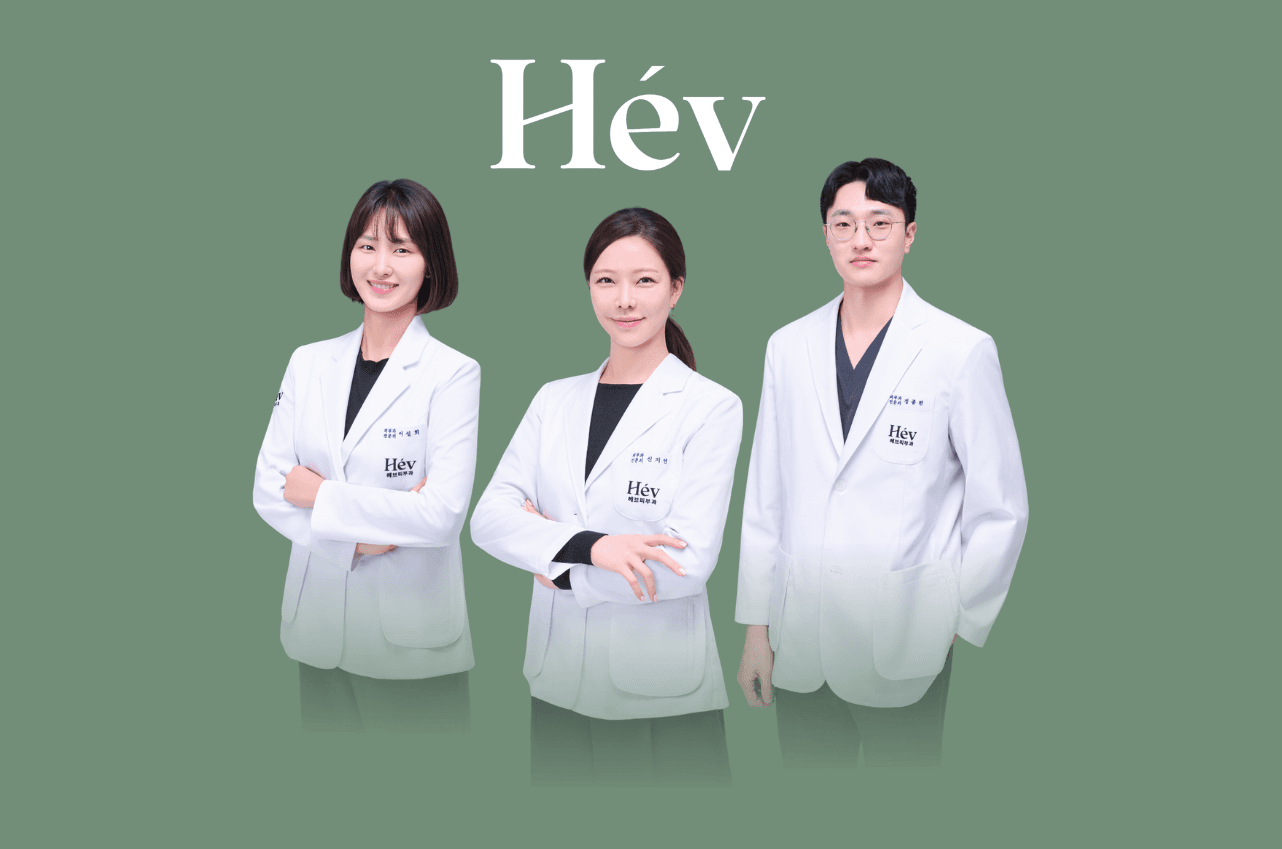
Hev Clinic Korea | Premium Sinsa Clinic for Skin, Laser & Injectables
Sinsa

Made Young Plastic Surgery: Rejuvenating Aesthetic Excellence in Korea for Face Lifts, Contouring and More
Gangnam Station

Okay Plastic Surgery Clinic in Korea: Comprehensive Aesthetic Procedures with Sincerity and Care
Cheongdam
ID Hospital - Main Branch in Korea: Specializing in Safe & Customized Facial Plastic Surgery and Post-Care Services
Sinsa