
Medizintourismus-Blog
Armliposuktion in Korea | Die besten Kliniken, Kosten, Verfahren und mehr
Table of contents
- Was ist eine Arm-Fettabsaugung?
- Beste Kliniken in Korea für Arm-Fettabsaugung
- Arm-Fettabsaugung in Korea
- Alternativen zur Arm-Fettabsaugung
- Fazit
Planen Sie eine Behandlung in Korea? Alles, was Sie wissen müssen, z. B. wie Sie Betrug vermeiden, Visa, Dolmetscher und Tipps für die Erholung, finden Sie in unserem Master Guide für Medizintourismus. Planen Sie mit Vertrauen in Minuten statt in Wochen!
Kämpfen Sie mit hartnäckigen Fettpolstern an den Armen, die trotz aller Bemühungen einfach nicht verschwinden wollen? Eine Arm-Fettabsaugung in Korea könnte für Sie die richtige Lösung sein. Dank fortschrittlicher Techniken und großer fachlicher Erfahrung kann sie dabei helfen, die schlanken, definierten Arme zu erreichen, die Sie sich wünschen.
Was ist eine Arm-Fettabsaugung?
Die Arm-Fettabsaugung ist ein ästhetisch-chirurgischer Eingriff zur Entfernung von überschüssigem Fett an den Oberarmen, um ein konturierteres und strafferes Erscheinungsbild zu erzielen. Besonders gefragt ist der Eingriff bei Menschen mit hartnäckigen Fettdepots an den Armen, die sich durch Ernährung und Sport nicht ausreichend reduzieren lassen. Ziel der Arm-Fettabsaugung ist es, die Ästhetik der Arme zu verbessern und zugleich harmonischere Proportionen zum restlichen Körper zu schaffen.
Wer kann von einer Arm-Fettabsaugung profitieren?
Eine Arm-Fettabsaugung eignet sich am besten für Personen, die:
- über eine gute Hautelastizität verfügen: Der Eingriff ist besonders vorteilhaft für Menschen mit straffer, elastischer Haut, die sich nach der Fettentfernung gut an die neuen Konturen anpassen kann.
- insgesamt gesund sind: Ideale Kandidatinnen und Kandidaten sollten keine Erkrankungen haben, die die Heilung beeinträchtigen könnten, wie etwa unkontrollierten Diabetes oder Herz-Kreislauf-Erkrankungen.
- ein stabiles Gewicht halten: Sie sollten sich nahe an Ihrem Zielgewicht befinden, da starke Gewichtsschwankungen das Ergebnis beeinflussen können.
- realistische Erwartungen haben: Ein gutes Verständnis der Möglichkeiten und Grenzen einer Arm-Fettabsaugung ist entscheidend für die Zufriedenheit mit dem Ergebnis.
- unter lokalisierten Fettdepots leiden: Besonders profitieren Personen mit umschriebenen Fettansammlungen an den Oberarmen, die auf Ernährung und Bewegung kaum ansprechen.
Arten der Arm-Fettabsaugung
1. Traditionelle Fettabsaugung
Dabei werden kleine Schnitte im behandelten Bereich gesetzt, durch die eine Kanüle (ein dünnes Röhrchen) eingeführt wird. Die Kanüle wird vor- und zurückbewegt, um die Fettzellen zu lösen, bevor sie abgesaugt werden. Dies ist die am häufigsten angewandte und seit Langem etablierte Technik der Fettabsaugung.
2. Tumeszenz-Liposuktion
Bei dieser Technik wird eine Tumeszenzlösung in das Fettgewebe eingebracht. Sie besteht aus einer Mischung aus Kochsalzlösung, Lokalanästhetikum und Epinephrin. Die Lösung hilft, Blutverlust und Blutergüsse zu minimieren, und erleichtert die Entfernung des Fetts. Diese Methode ist aufgrund ihrer Effizienz und ihres guten Sicherheitsprofils sehr beliebt.
3. Laserassistierte Fettabsaugung (SmartLipo)
Bei diesem Verfahren wird Lasertechnologie eingesetzt, um die Fettzellen vor der Entfernung zu verflüssigen. Der Laser regt außerdem die Kollagenproduktion an, was die Hautstraffung nach dem Eingriff verbessern kann. Diese Technik wird wegen der kürzeren Ausfallzeit und des zusätzlichen Straffungseffekts geschätzt.
4. Ultraschallassistierte Fettabsaugung (UAL)
Diese Methode nutzt Ultraschallenergie, um Fettzellen aufzubrechen und ihre Entfernung zu erleichtern. Die ultraschallassistierte Fettabsaugung ist besonders wirksam in faserreicheren Körperregionen und wird häufig mit klassischen Fettabsaugungstechniken kombiniert.
Vor- und Nachteile der Arm-Fettabsaugung
Vorteile
- Verbesserte Kontur und Ästhetik: Einer der größten Vorteile der Arm-Fettabsaugung ist die sichtbare Verbesserung von Form und Kontur der Arme, was zu einem strafferen und definierteren Erscheinungsbild führt.
- Minimale Narbenbildung: Die bei der Arm-Fettabsaugung gesetzten Schnitte sind in der Regel sehr klein, sodass nur minimale sichtbare Narben zurückbleiben.
- Dauerhafte Ergebnisse: Die während des Eingriffs entfernten Fettzellen bilden sich nicht erneut, sodass die Resultate dauerhaft sein können, solange das Gewicht stabil bleibt.
- Mehr Selbstbewusstsein: Viele Patientinnen und Patienten berichten nach dem Eingriff über ein gesteigertes Selbstvertrauen und größere Zufriedenheit mit ihrem Aussehen.
Nachteile
- Schwellungen und Blutergüsse: Postoperative Schwellungen und Blutergüsse sind häufig, klingen jedoch normalerweise innerhalb weniger Wochen ab.
- Möglichkeit ungleichmäßiger Konturen: Es besteht das Risiko von Unregelmäßigkeiten in der Armkontur, wenn das Fett nicht gleichmäßig entfernt wird.
- Kosten: Eine Arm-Fettabsaugung kann kostspielig sein und wird in der Regel nicht von der Versicherung übernommen, da sie als ästhetischer Eingriff gilt.
- Erholungszeit: Obwohl die Ausfallzeit vergleichsweise kurz ist, müssen Patientinnen und Patienten sich nach der Operation etwas Zeit zur Erholung nehmen und körperlich anstrengende Aktivitäten für einige Wochen vermeiden.
- Risiko für Infektionen und Komplikationen: Wie bei jedem chirurgischen Eingriff bestehen Risiken wie Infektionen, anästhesiebedingte Komplikationen und andere unvorhersehbare operative Risiken.
Wenn Sie diese Aspekte kennen, können Sie fundierter entscheiden, ob eine Arm-Fettabsaugung für Sie die richtige Wahl ist.
Beste Kliniken in Korea für Arm-Fettabsaugung
Nachfolgend finden Sie die besten Kliniken in Korea für Arm-Fettabsaugung:
| Klinikname | Hauptmerkmale | Besondere Techniken |
|---|---|---|
| Lydian Plastic Surgery Clinic | Die Lydian Plastic Surgery Clinic liegt im renommierten Cheongdam-Viertel von Gangnam in Seoul und ist ein exklusives Zentrum von Weltklasse für Body Contouring unter der Leitung von Dr. An Kyung Chun, einer international anerkannten Autorität mit mehr als zwei Jahrzehnten spezialisierter Erfahrung. Die Klinik ist bekannt für ihre Pionierarbeit in der 5D-High-Definition-Liposculpture und wird von VIPs und Prominenten geschätzt. Sie bietet eine personalisierte Betreuung durch einen einzelnen Spezialisten, sorgfältige präoperative Planung, moderne Technologie und ein ergebnisorientiertes Nachsorgekonzept. Mit einer Philosophie, die auf anatomiebasiertem Body Design und objektiver 3D-Bildgebung beruht, verbindet Lydian Ästhetik und Präzision, um verfeinerte, natürlich wirkende Konturen zu erzielen und dabei minimale Narbenbildung sowie eine effiziente Erholung in den Vordergrund zu stellen. | 5D-High-Definition-Liposculpture; 3D-Bildgebung; minimale Narbenbildung bei effizienter Erholung; kontinuierliche Betreuung durch einen einzigen Spezialisten; Integration moderner Technologie; anatomiebasiertes Design; hochpersonalisierte Nachsorge |
| Seojin Plastic Surgery Clinic | Die Seojin Plastic Surgery Clinic gilt als erstklassige Wahl für Arm-Fettabsaugung in Korea, da sie herausragende Expertise mit einem besonders sorgfältigen Ansatz verbindet. Dr. Lee Hyungmin – ausgezeichnet als einer von Koreas 100 Good Doctors und mit mehr als 16 Jahren Erfahrung – führt jeden Eingriff selbst im One-Doctor-Modell durch und bietet eine durchgängig hochpersonalisierte Betreuung im Herzen von Gangnam, Seoul. Der 3-Stufen-Mikro-Liposuktionsprozess der Klinik ist auf Präzision und Sicherheit ausgelegt: sichere Vorbereitung, um Fett schonend von Blutgefäßen, Nerven und Gewebe zu lösen und zu verflüssigen; präzise Fettabsaugung mit einer auf Körperbau und Fettmenge abgestimmten Kanüle; sowie manuelle Feinkorrektur mit einer kleinen Spritze, um die subkutane Schicht gleichmäßig zu verteilen und glatte, verfeinerte Armkonturen zu erreichen. Für eine verbesserte Hautfestigkeit und zur Behandlung leichter Hauterschlaffung nach der Fettentfernung integriert Seojin den Velody2-Lifting-Laser – eine hochwertige Lifting-Technik, die mit der Fettabsaugung synergetisch zusammenwirkt und optimale, verfeinerte Ergebnisse unterstützt. Unterstützt durch modernste Technologien wie 3D-Bildgebung und hochauflösende Endoskopie erzielt Seojin konsistent natürlich wirkende Modellierungen mit Fokus auf Sicherheit, Genauigkeit und individuelle Ergebnisse. | 3-Stufen-Mikro-Liposuktionsprozess; Velody2-Lifting-Laser; 3D-Bildgebung; hochauflösende Endoskopie; One-Doctor-Modell |
| 365mc Hospital Website | 365mc ist ein spezialisiertes Krankenhaus für Adipositasbehandlung, das sich ausschließlich auf Body Contouring und Fettreduktion konzentriert, und damit eine vertrauenswürdige Wahl für Arm-Fettabsaugung in Korea. Mit mehr als 20 Jahren Erfahrung an der Spitze des Fachgebiets, einem großen Netzwerk aus 18 Kliniken und 22 leitenden Ärzten verbindet 365mc umfassende Expertise mit Sicherheit und Präzision auf Krankenhausniveau. Dieser Standard wird durch das Siegel des koreanischen Gesundheitsministeriums anerkannt. Durch den Einsatz fortschrittlicher Technologien, darunter die Zusammenarbeit mit Microsoft beim M.A.I.L.-System (Motion-Capture and Artificial-Intelligence Assisted Liposuction), verbessert die Klinik die intraoperative Präzision und Konstanz und hilft so, verfeinerte Armkonturen zu erzielen, ohne das natürliche Gleichgewicht zu beeinträchtigen. Diese Führungsposition wird durch eine außergewöhnliche Sicherheitsbilanz mit 5 Millionen Behandlungen und Tausenden chirurgischen Fettabsaugungen gestützt, wodurch sich 365mc als eines der führenden Zentren in Asien für Standard- und fortgeschrittene Liposuktionen etabliert hat. Bei der Arm-Fettabsaugung legt 365mc Wert auf eine individuelle Planung, um die notwendige Fettmenge für glatte, proportionierte Linien zu bestimmen, und übernimmt auch komplexe Fälle mit einem klaren Fokus auf Patientenzufriedenheit. Patientinnen und Patienten können zwischen einer traditionellen chirurgischen Fettabsaugung oder LAMS (Local Anesthetic Minimal-Invasive Liposuction) wählen – einem schnittfreien Ansatz, der gezielte Fettentfernung mit fettauflösenden Injektionen kombiniert, um sofort sichtbare Ergebnisse bei minimaler Ausfallzeit und ohne Narben zu ermöglichen. Am Tag der Operation erhält jede Person eine 1:1-Intensivbetreuung in einem speziellen Recovery Center, gefolgt von einem strukturierten siebenwöchigen postoperativen Programm mit hyperbarer Sauerstofftherapie und individueller Ernährungsberatung. Unterstützt durch ein Ernährungsteam und eine App für Ernährungstagebücher soll dieses umfassende Programm die Erholung beschleunigen, Ergebnisse erhalten und eine definierte Armkontur weiter verfeinern. | M.A.I.L.-System (Motion-Capture and AI Assisted Liposuction); LAMS (Local Anesthetic Minimal-Invasive Liposuction); 1:1-Betreuung im Recovery Center; hyperbare Sauerstofftherapie; siebenwöchiges postoperatives Programm; Ernährungsberatung und App für Ernährungstagebücher |
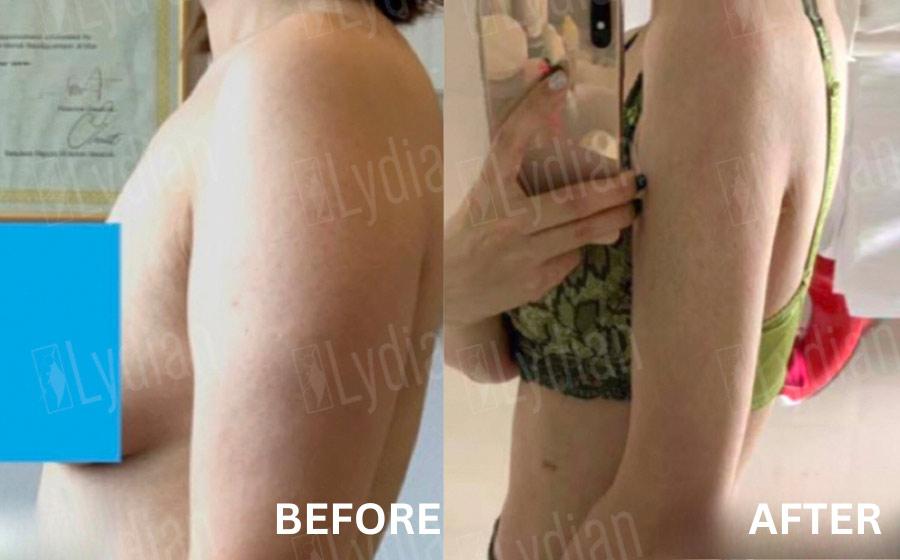
Lydian Plastic Surgery Clinic
Die Lydian Plastic Surgery Clinic liegt im renommierten Cheongdam-Viertel von Gangnam in Seoul und ist ein exklusives Zentrum von Weltklasse für Body Contouring unter der Leitung von Dr. An Kyung Chun, einer international anerkannten Autorität mit mehr als zwei Jahrzehnten spezialisierter Erfahrung. Die Klinik ist bekannt für ihre Pionierarbeit in der 5D-High-Definition-Liposculpture und wird von VIPs und Prominenten geschätzt. Sie bietet eine personalisierte Betreuung durch einen einzelnen Spezialisten, sorgfältige präoperative Planung, moderne Technologie und ein ergebnisorientiertes Nachsorgekonzept. Mit einer Philosophie, die auf anatomiebasiertem Body Design und objektiver 3D-Bildgebung beruht, verbindet Lydian Ästhetik und Präzision, um verfeinerte, natürlich wirkende Konturen zu erzielen und dabei minimale Narbenbildung sowie eine effiziente Erholung in den Vordergrund zu stellen.
Warum Lydian die beste Wahl für Arm-Fettabsaugung ist
- Minimale Narben, maximale Finesse: Nur 1–2 winzige Schnitte, geschickt in unauffälligen Bereichen platziert, was die chirurgische Präzision widerspiegelt und die Narbenbildung auf ein absolutes Minimum reduziert.
- Individuelle Instrumente für zylindrische Gliedmaßen: Mehr als 30 Arten maßgefertigter Kanülen ermöglichen eine auf unterschiedliche Körperformen abgestimmte Fettentfernung und sorgen mit weniger Schnitten für eine glatte, gleichmäßige Armkontur.
- Anatomiebasiertes Design für natürliche Proportionen: Die Behandlungspläne berücksichtigen die individuelle Knochen- und Weichteilanatomie, um Oberarme, Schultern, Rumpf und die gesamte Silhouette harmonisch aufeinander abzustimmen.
- Quantificare-3D-Bildgebung für Genauigkeit und Transparenz: Hochauflösende 3D-Videos unterstützen die präoperative Planung und liefern verlässliche Vorher-Nachher-Darstellungen, was auch die sorgfältige Konturierung in der Nachsorge unterstützt.
- Umfassende Lösung bei Hauterschlaffung und Dehnungsstreifen: Spezialisierte Geräte behandeln Dehnungsstreifen und Hauterschlaffung, die häufig mit Gewichtsveränderungen einhergehen, und ergänzen die Arm-Fettabsaugung für ein strafferes, verfeinertes Ergebnis.
- Systematische Nachsorge in 4 Schritten: Fokussierte Protokolle zur Schwellungsreduktion, Korrektur von Unregelmäßigkeiten (Knötchenbildung), Wiederherstellung der Hautelastizität und Konturierung von Restfett zur Feinabstimmung von Symmetrie und Definition.
- Chirurgische Führung auf Spitzenniveau: Dr. An – ausgewählt als einer von Koreas Top-18-Experten für ästhetische plastische Chirurgie, Direktor der 5D Liposculpture Academy, unter den Top 100 Ärzten weltweit für Stammzell-Ästhetikmedizin gelistet und nationaler Trainer für Geräte zum High-Definition-Body-Contouring.
- Immer auf dem neuesten Stand: Kontinuierliche Investitionen in die neuesten koreanischen und internationalen Technologien – keine veralteten Geräte – unterstützen sicherere Eingriffe und bessere Ergebnisse.
- High-Definition-Ergebnisse bei minimaler Ausfallzeit: Fortschrittliche 5D-Modellierungstechniken priorisieren minimale Narbenbildung und eine effiziente Erholung, oft ohne Krankenhausaufenthalt.
- Exklusive Kontinuität mit einem Spezialisten: Ein engagierter Ansatz mit nur einer Expertin bzw. einem Experten gewährleistet persönliche Aufmerksamkeit, eine konsistente Technik und eine lückenlose Betreuung von der Beratung bis zur Erholung.
Hier können Sie die Website ansehen: Lydian Plastic Surgery Clinic Website
Seojin Plastic Surgery Clinic
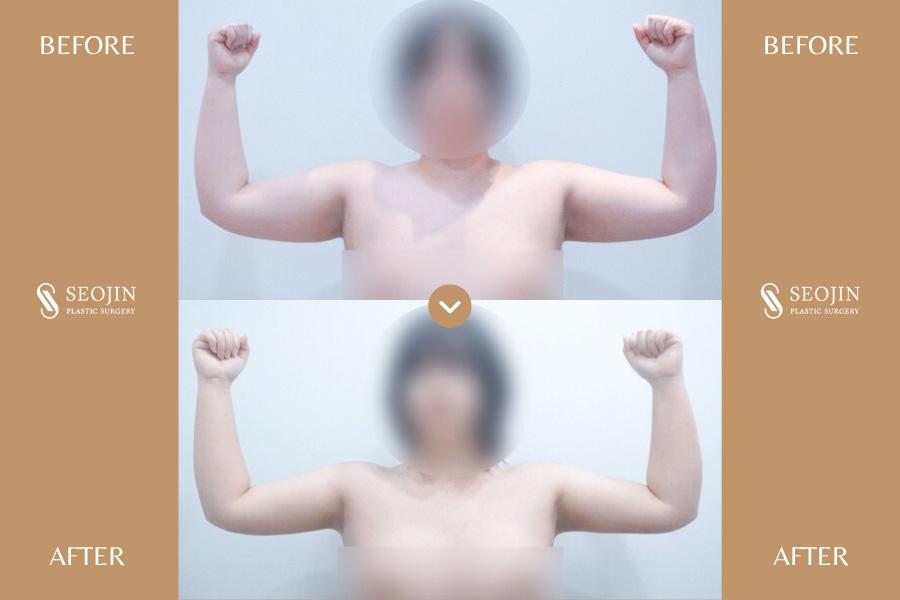
Die Seojin Plastic Surgery Clinic gilt als erstklassige Wahl für Arm-Fettabsaugung in Korea, da sie herausragende Expertise mit einem besonders sorgfältigen Ansatz verbindet. Dr. Lee Hyungmin – ausgezeichnet als einer von Koreas 100 Good Doctors und mit mehr als 16 Jahren Erfahrung – führt jeden Eingriff selbst im One-Doctor-Modell durch und bietet eine durchgängig hochpersonalisierte Betreuung im Herzen von Gangnam, Seoul. Der 3-Stufen-Mikro-Liposuktionsprozess der Klinik ist auf Präzision und Sicherheit ausgelegt: sichere Vorbereitung, um Fett schonend von Blutgefäßen, Nerven und Gewebe zu lösen und zu verflüssigen; präzise Fettabsaugung mit einer auf Körperbau und Fettmenge abgestimmten Kanüle; sowie manuelle Feinkorrektur mit einer kleinen Spritze, um die subkutane Schicht gleichmäßig zu verteilen und glatte, verfeinerte Armkonturen zu erreichen. Für eine verbesserte Hautfestigkeit und zur Behandlung leichter Hauterschlaffung nach der Fettentfernung integriert Seojin den Velody2-Lifting-Laser – eine hochwertige Lifting-Technik, die mit der Fettabsaugung synergetisch zusammenwirkt und optimale, verfeinerte Ergebnisse unterstützt. Unterstützt durch modernste Technologien wie 3D-Bildgebung und hochauflösende Endoskopie erzielt Seojin konsistent natürlich wirkende Modellierungen mit Fokus auf Sicherheit, Genauigkeit und individuelle Ergebnisse.
Hier können Sie die Website ansehen: Seojin Plastic Surgery Clinic Website
365mc Hospital
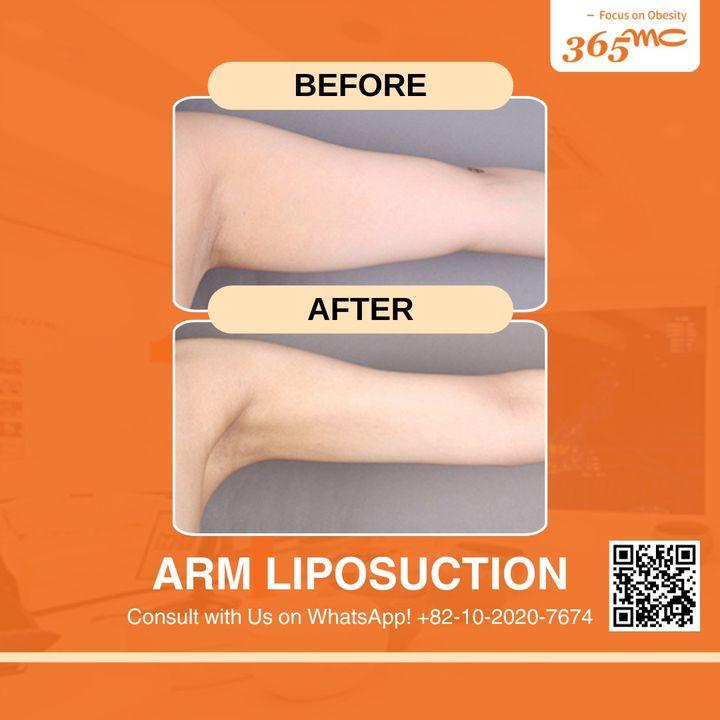
365mc ist ein spezialisiertes Krankenhaus für Adipositasbehandlung, das sich ausschließlich auf Body Contouring und Fettreduktion konzentriert, und damit eine vertrauenswürdige Wahl für Arm-Fettabsaugung in Korea. Mit mehr als 20 Jahren Erfahrung an der Spitze des Fachgebiets, einem großen Netzwerk aus 18 Kliniken und 22 leitenden Ärzten verbindet 365mc umfassende Expertise mit Sicherheit und Präzision auf Krankenhausniveau, die den Maßstäben großer universitärer chirurgischer Zentren entspricht oder diese sogar übertrifft – ein Standard, der durch das Siegel des koreanischen Gesundheitsministeriums anerkannt ist. Durch den Einsatz fortschrittlicher Technologien, darunter die Zusammenarbeit mit Microsoft beim M.A.I.L.-System (Motion-Capture and Artificial-Intelligence Assisted Liposuction), verbessert die Klinik die intraoperative Präzision und Konstanz und hilft so, verfeinerte Armkonturen zu erzielen, ohne das natürliche Gleichgewicht zu beeinträchtigen. Diese Führungsposition wird durch eine außergewöhnliche Sicherheitsbilanz mit 5 Millionen Behandlungen und Tausenden chirurgischen Fettabsaugungen gestützt, wodurch sich 365mc als eines der führenden Zentren in Asien für Standard- und fortgeschrittene Liposuktionen etabliert hat.
Bei der Arm-Fettabsaugung legt 365mc Wert auf eine individuelle Planung, um die notwendige Fettmenge für glatte, proportionierte Linien zu bestimmen, und übernimmt auch komplexe Fälle mit einem klaren Fokus auf Patientenzufriedenheit. Patientinnen und Patienten können zwischen einer traditionellen chirurgischen Fettabsaugung oder LAMS (Local Anesthetic Minimal-Invasive Liposuction) wählen – einem schnittfreien Ansatz, der gezielte Fettentfernung mit fettauflösenden Injektionen kombiniert, um sofort sichtbare Ergebnisse bei minimaler Ausfallzeit und ohne Narben zu ermöglichen. Am Tag der Operation erhält jede Person eine 1:1-Intensivbetreuung in einem speziellen Recovery Center, gefolgt von einem strukturierten siebenwöchigen postoperativen Programm mit hyperbarer Sauerstofftherapie und individueller Ernährungsberatung. Unterstützt durch ein Ernährungsteam und eine App für Ernährungstagebücher soll dieses umfassende Programm die Erholung beschleunigen, die Ergebnisse erhalten und eine definierte Armkontur weiter verfeinern.
Hier können Sie die Website ansehen: 365mc Hospital Website
Arm-Fettabsaugung in Korea
Für eine Arm-Fettabsaugung nach Korea zu reisen, kann eine spannende und tiefgreifende Erfahrung sein. Diese Reise bietet Ihnen nicht nur erstklassige medizinische Versorgung, sondern auch die Möglichkeit, eine lebendige Kultur kennenzulernen. Das können Sie erwarten, wenn Sie für diesen Eingriff nach Korea reisen.
Hochmoderne medizinische Einrichtungen
Korea ist für seine fortschrittlichen medizinischen Einrichtungen und hochqualifizierten Chirurginnen und Chirurgen bekannt. Nach Ihrer Ankunft werden Sie feststellen, dass Kliniken und Krankenhäuser, die auf ästhetische Chirurgie spezialisiert sind, mit modernster Technik ausgestattet sind. Diese Zentren arbeiten häufig mit den neuesten Fettabsaugungstechniken und stellen so sicher, dass Sie eine Versorgung auf höchstem Niveau erhalten.
Sprachunterstützung und Services für internationale Patientinnen und Patienten
Viele koreanische Kliniken bieten umfangreiche Services speziell für internationale Patientinnen und Patienten an, einschließlich Sprachunterstützung. Englischsprachige Koordinatorinnen und Koordinatoren stehen oft zur Verfügung, um Ihnen bei Beratungsgesprächen, der präoperativen Vorbereitung und der postoperativen Betreuung zu helfen. Diese Unterstützung macht den gesamten Ablauf einfacher und weniger belastend, insbesondere wenn Sie sich wegen möglicher Sprachbarrieren Sorgen machen.
Beratung und individuelle Anpassung
Ihre Reise beginnt in der Regel mit einem ausführlichen Beratungsgespräch, in dem die Chirurgin oder der Chirurg Ihre Ziele, Ihre Krankengeschichte und eventuelle Bedenken mit Ihnen bespricht. Häufig wird dabei 3D-Bildgebung eingesetzt, um mögliche Ergebnisse zu veranschaulichen, sodass ein hochgradig individualisierter Behandlungsplan erstellt werden kann. Dieser persönliche Ansatz sorgt dafür, dass der Eingriff Ihren ästhetischen Vorstellungen möglichst genau entspricht.
Der Eingriff
Die Arm-Fettabsaugung wird in Korea in der Regel unter Lokalanästhesie mit Sedierung oder unter Vollnarkose durchgeführt, je nach Umfang des Eingriffs. Die Chirurginnen und Chirurgen verwenden minimalinvasive Techniken, um überschüssiges Fett zu entfernen, was zu weniger Narben und einer schnelleren Erholung führt. Der Eingriff kann zwischen 1 und 3 Stunden dauern. Anschließend werden Sie in einem Aufwachraum überwacht, um Ihre Sicherheit und Ihr Wohlbefinden sicherzustellen.
Erholung und Nachsorge
Die postoperative Betreuung ist ein entscheidender Teil des Prozesses, und koreanische Kliniken bieten häufig umfassende Nachsorgeleistungen an. Sie erhalten detaillierte Anweisungen zur Pflege des Operationsbereichs, zum Umgang mit möglichen Beschwerden und zur Förderung der Heilung. Nachsorgetermine ermöglichen es dem medizinischen Team, Ihren Fortschritt zu überwachen und aufkommende Fragen oder Probleme zeitnah zu behandeln.
Medizinische Versorgung mit Reisen verbinden
Einer der besonderen Aspekte, wenn Sie Korea für Ihre Arm-Fettabsaugung wählen, ist die Möglichkeit, medizinische Versorgung mit Reisen zu verbinden. Auch wenn Sie nach dem Eingriff Erholung und Ruhe priorisieren sollten, können Sie dennoch planen, die vielfältige Kultur und die Sehenswürdigkeiten Koreas kennenzulernen. Vom Besuch historischer Tempel und belebter Märkte bis hin zum Entdecken der lokalen Küche gibt es viel zu sehen und zu erleben.
Erschwingliche Optionen
Korea ist bei kosmetischen Eingriffen oft günstiger als westliche Länder. Die wettbewerbsfähigen Preise gehen dabei nicht zulasten der Qualität der Versorgung, was Korea zu einem attraktiven Ziel für Menschen macht, die wirksame und zugleich wirtschaftliche Lösungen suchen.
Unterkunft und Komfort
Viele Kliniken bieten Pakete an, die Unterkünfte in nahegelegenen Hotels oder in klinikeigenen Recovery-Centern umfassen. Diese Einrichtungen sind darauf ausgelegt, während Ihrer Erholungsphase ein angenehmes und beruhigendes Umfeld zu schaffen. Einige bieten sogar ausgewogene Mahlzeiten und Wellness-Programme an, um Ihre allgemeine Gesundheit und Ihr Wohlbefinden nach der Operation zu unterstützen.
Zusammenfassend bedeutet die Entscheidung für eine Arm-Fettabsaugung in Korea, sich einem System anzuvertrauen, das für seine Exzellenz in der ästhetischen Chirurgie bekannt ist und durch fortschrittliche Technologie sowie erfahrene medizinische Fachkräfte gestützt wird. Die unkomplizierte Verbindung von medizinischer Versorgung und kultureller Entdeckung erhöht zusätzlich die Attraktivität und macht dies für viele Menschen zu einer sinnvollen Option, um ihr Aussehen und ihr Selbstbewusstsein zu verbessern.
Alternativen zur Arm-Fettabsaugung
Wenn Sie Alternativen zur Arm-Fettabsaugung in Betracht ziehen, ist es wichtig, die Vorteile und Grenzen jeder Option sorgfältig abzuwägen. Hier sind drei empfohlene Alternativen:
1. CoolSculpting
CoolSculpting, auch als Kryolipolyse bekannt, ist ein nichtinvasives Verfahren, bei dem Fettzellen durch kontrollierte Kühlung gezielt behandelt und eingefroren werden. Die eingefrorenen Fettzellen werden im Laufe der Zeit auf natürliche Weise vom Körper abgebaut, was zu einer schlankeren Armkontur führt. Diese Technik ist ideal für Personen, die einen nichtoperativen Ansatz zur Fettreduktion bevorzugen. Zu den Vorteilen von CoolSculpting zählen minimale Ausfallzeit, ein geringes Komplikationsrisiko und der Verzicht auf Anästhesie. Allerdings können mehrere Sitzungen erforderlich sein, um das gewünschte Ergebnis zu erreichen, und die Resultate sind in der Regel weniger ausgeprägt als bei einer chirurgischen Fettabsaugung.
2. RF-Hautstraffung (Radiofrequenz)
Die RF-Hautstraffung ist eine nichtoperative Methode, bei der Radiofrequenzenergie genutzt wird, um die tieferen Hautschichten zu erwärmen. Dieser Prozess stimuliert die Kollagenproduktion, was wiederum die Haut strafft und festigt. Sie ist besonders wirksam für Personen, die das Erscheinungsbild leichter bis mäßiger Hauterschlaffung an den Armen verbessern möchten, ohne Fett zu entfernen. Die RF-Hautstraffung ist schnell und mit minimalen Beschwerden sowie geringer Ausfallzeit verbunden. Wie bei CoolSculpting können die Ergebnisse jedoch subtiler ausfallen, und für optimale Resultate sind möglicherweise mehrere Sitzungen nötig.
3. Armstraffung (Brachioplastik)
Eine Armstraffung, auch Brachioplastik genannt, ist ein chirurgischer Eingriff, bei dem überschüssige Haut und Fett an den Oberarmen entfernt werden, um ein strafferes und besser konturiertes Erscheinungsbild zu erzielen. Diese Option wird häufig Menschen empfohlen, die eine ausgeprägte Hauterschlaffung oder sogenannte „Winkearme“ infolge von Gewichtsverlust oder Alterung haben. Der Hauptvorteil einer Armstraffung liegt in ihrer Fähigkeit, im Vergleich zu nichtoperativen Methoden schnellere und deutlichere Ergebnisse zu erzielen. Allerdings ist sie mit einer längeren Erholungszeit, möglicher Narbenbildung und höheren Risiken im Zusammenhang mit Operation und Anästhesie verbunden.
Wenn Sie diese Alternativen in Betracht ziehen, sollten Sie unbedingt eine qualifizierte und erfahrene medizinische Fachperson konsultieren, um anhand Ihrer individuellen Ziele, Ihres Hautzustands und Ihrer allgemeinen Gesundheit die beste Vorgehensweise zu bestimmen.
| Verfahrenspreis | Koreanischer Won (₩) | USD ($) |
|---|---|---|
| Niedrigster Preis | ₩1,700,000 | $1200 |
| Höchster Preis | ₩3,300,000 | $2400 |
Wechselkurs vom 2025-05-22: 1 KRW = 0.0007 USD
Bitte beachten Sie, dass diese Preise nur ungefähre Richtwerte sind und je nach Klinik und Ihren individuellen Umständen erheblich variieren können.
Fazit
Zusammenfassend bietet die Arm-Fettabsaugung in Korea eine wirkungsvolle Möglichkeit für Menschen, die das Erscheinungsbild ihrer Arme konturieren und verfeinern möchten. Die fortschrittliche Medizintechnik des Landes, hochqualifizierte Chirurginnen und Chirurgen sowie umfassende Versorgungskonzepte haben Korea zu einem gefragten Ziel für kosmetische Eingriffe gemacht. Patientinnen und Patienten können dank innovativer Techniken und modernster Einrichtungen mit großer Sorgfalt, individuell angepassten Behandlungsplänen und in der Regel kürzeren Erholungszeiten rechnen. Mit dem Anspruch, natürlich wirkende Ergebnisse zu erzielen und zugleich die Patientensicherheit zu gewährleisten, gehört Korea weiterhin zu den führenden Ländern im Bereich der ästhetischen Chirurgie und macht die Arm-Fettabsaugung zu einer sinnvollen und attraktiven Option für Menschen, die ihre Silhouette verbessern möchten.
Häufig gestellte Fragen
Verwandte Blogbeiträge
Global Umbilicoplasty Pricing: How Korea’s Top Clinics Stack Up Against US, Turkey, and Mexico
Discover why Korea is becoming a sought-after destination for affordable belly button surgery, offering cutting-edge techniques and experienced surgeons. Explore the costs, benefits, and considerations involved in undergoing this cosmetic procedure in a country known for its advanced medical services.
Aktualisiert: Oct 21, 2026
Global Cost Perspective: Fat Dissolving Laser Treatment Costs in Korea vs. USA, Mexico, Turkey, and Thailand
Discover the cost and benefits of fat dissolving laser treatments in Korea, where cutting-edge technology meets affordability. Explore how this non-invasive procedure can help you achieve your body goals without breaking the bank.
Aktualisiert: Oct 21, 2026
A World of Difference: Comparing Body Fat Dissolving Laser Costs in Korea, USA, Mexico, Turkey, and Thailand
Discover the latest insights on the cost of body fat dissolving laser treatments in Korea, known for their advanced technology and competitive pricing. Explore how these innovative procedures provide an effective solution for those seeking to achieve their desired body contour.
Aktualisiert: Oct 21, 2026
CoolSculpting-Kosten im Vergleich: Korea vs. USA, Mexiko, Türkei und weitere Länder – warum Korea für Sie die beste Wahl sein könnte
Erfahren Sie aktuelle Informationen zu den Kosten für CoolSculpting in Korea, wo moderne ästhetische Behandlungen zu wettbewerbsfähigen Preisen angeboten werden. Informieren Sie sich über die Faktoren, die die Preisgestaltung beeinflussen, und darüber, warum Korea zunehmend ein beliebtes Ziel für nichtinvasive Verfahren zur Fettreduktion ist.
Aktualisiert: Oct 21, 2026
Kliniken für Arm Liposuction
BongBong Plastic Surgery Dermatology Korea | Body, Breast & Aesthetic Treatments
Nonhyeon

365mc Hospital: Korea's Leading Liposuction and Body Contouring Clinic with Innovative AI Technologies and Comprehensive Patient Care
Gyodae

THEPLUS Plastic Surgery Korea | Eye, Nose, Face & Body Surgery
Sinsa

Lydian Plastic Surgery Clinic in Korea: Superior Cosmetic Procedures by World-Renowned Expert Dr. An Kyung Chun
Apgujeong