
Medizintourismus-Blog
Vaginoplastik in Korea | Die besten Kliniken, Kosten, Methoden und mehr

Table of contents
- Was ist eine Vaginoplastik?
- Die besten Kliniken in Korea für Vaginoplastik
- Vaginoplastik in Korea durchführen lassen
- Kosten einer Vaginoplastik in Korea
- Alternativen zur Vaginoplastik
- Fazit
Planen Sie eine Behandlung in Korea? Alles, was Sie wissen müssen, z. B. wie Sie Betrug vermeiden, Visa, Dolmetscher und Tipps für die Erholung, finden Sie in unserem Master Guide für Medizintourismus. Planen Sie mit Vertrauen in Minuten statt in Wochen!
Haben Sie sich schon einmal gefragt, wie der Medizintourismus die kosmetische und rekonstruktive Chirurgie weltweit verändert? Südkorea hat sich zu einem globalen Vorreiter im Bereich der Vaginoplastik entwickelt und bietet modernste Technik, fachkundige Betreuung und umfassende Behandlungsverfahren, die Menschen aus aller Welt anziehen, die sich eine nachhaltige Veränderung wünschen.
Was ist eine Vaginoplastik?
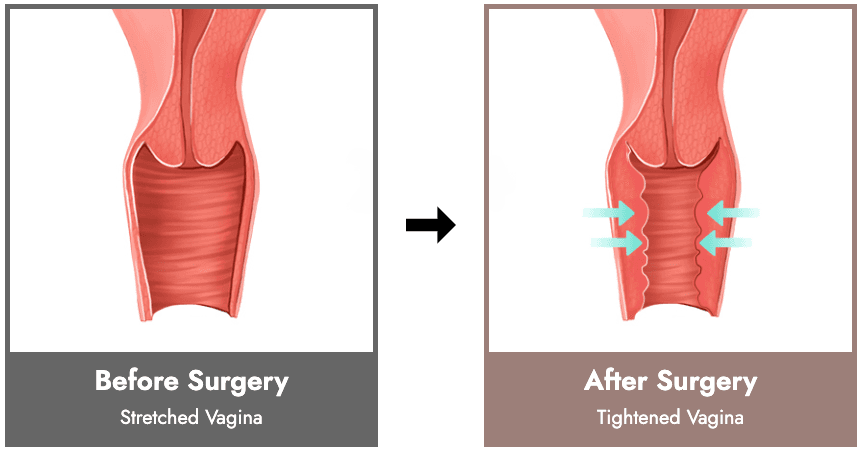
Die Vaginoplastik ist ein chirurgischer Eingriff zur Rekonstruktion oder Wiederherstellung der vaginalen Struktur, häufig aus funktionellen oder ästhetischen Gründen. Sie wird oft mit geschlechtsangleichenden Operationen für Transfrauen in Verbindung gebracht, kommt aber auch bei Frauen zum Einsatz, die aufgrund von Geburten oder des Alterns unter vaginaler Erschlaffung leiden.
Überblick über den Eingriff
Der Eingriff umfasst in der Regel die Straffung der Vaginalmuskulatur und des umgebenden Gewebes, um Festigkeit, Kontrolle und das allgemeine Empfinden zu verbessern. Je nach individuellen Bedürfnissen und anatomischen Voraussetzungen der Patientin können sich Operationstechnik und Vorgehensweise unterscheiden.
Indikationen
Eine Vaginoplastik kann aus verschiedenen Gründen durchgeführt werden, darunter:
- Geschlechtsangleichung: Für Transfrauen ist die Vaginoplastik ein wesentlicher Bestandteil der geschlechtsangleichenden Mann-zu-Frau-Operation. Dabei wird mithilfe von Penishaut oder anderem Gewebe eine Neovagina geschaffen.
- Rekonstruktive Erfordernisse: Bei angeborenen Fehlbildungen wie der Müller-Agenesie (Fehlen der Vagina) oder nach traumatischen Verletzungen.
- Funktionelle Verbesserung: Frauen entscheiden sich möglicherweise nach einer deutlichen Überdehnung oder Rissverletzung der Vagina für eine Vaginoplastik, häufig infolge von Geburten oder altersbedingter Veränderungen.
- Ästhetische Gründe: Manche Frauen wählen diesen Eingriff, um das Erscheinungsbild ihres Intimbereichs zu verbessern.
Operationstechniken
Hier sind einige gängige Techniken der Vaginoplastik:
- Penisinversionstechnik: Diese wird häufig bei geschlechtsangleichenden Operationen angewendet. Der Penis wird präpariert und invertiert, um eine Neovagina zu formen.
- Hauttransplantation: Wenn nicht genügend Penis- oder Skrotalgewebe vorhanden ist, können Hauttransplantate aus anderen Körperbereichen verwendet werden.
- Rektosigmoid-Vaginoplastik: Bei dieser Technik wird ein Abschnitt des Rektosigmoids genutzt, um eine Neovagina zu schaffen. Sie wird oft gewählt, weil sie selbstlubrizierend sein kann und natürlichem Vaginalgewebe ähnelt.
- Perineoplastik: Sie wird häufig zusammen mit einer Vaginoplastik durchgeführt und umfasst die Rekonstruktion des Dammbereichs zwischen Vagina und Anus, um die strukturelle Stabilität zu verbessern.
Präoperative Vorbereitung
Vor einer Vaginoplastik durchlaufen Patientinnen in der Regel einen gründlichen Untersuchungsprozess, der Folgendes umfasst:
- Medizinische und psychologische Untersuchungen: Um sicherzustellen, dass die Patientin gesund genug für die Operation ist und angemessene psychische Unterstützung erhält.
- Hormontherapie: Viele Transfrauen unterziehen sich vor der Operation einer Hormonersatztherapie, um die Entwicklung sekundärer Geschlechtsmerkmale zu fördern.
- Beckenuntersuchungen: Zur Beurteilung der vorhandenen Anatomie und zur Planung des operativen Vorgehens.
Postoperative Versorgung
Die postoperative Versorgung ist entscheidend für eine erfolgreiche Genesung und umfasst:
- Schmerzmanagement: Zur Kontrolle der postoperativen Schmerzen werden häufig verschreibungspflichtige Medikamente verordnet.
- Vaginaldilatation: Bei Transfrauen ist eine regelmäßige Dilatation erforderlich, um Tiefe und Weite der Neovagina zu erhalten.
- Hygiene und Wundpflege: Eine sachgerechte Reinigung und Pflege des Operationsbereichs zur Vorbeugung von Infektionen.
- Regelmäßige Nachkontrollen: Eine fortlaufende Überwachung durch medizinisches Fachpersonal, um die Heilung sicherzustellen und mögliche Komplikationen zu behandeln.
Ein gutes Verständnis der Vaginoplastik kann Patientinnen helfen, fundierte Entscheidungen über ihre chirurgischen Optionen und den zu erwartenden Ablauf zu treffen.
Für wen ist eine Vaginoplastik geeignet?
- Personen mit Vaginalverletzungen: Eine Vaginoplastik kann Schäden reparieren, die durch Verletzungen, körperliche Traumata oder Unfälle entstanden sind.
- Personen mit angeborenen Anomalien: Manche Menschen werden mit angeborenen Erkrankungen geboren, die Struktur und Funktion der Vagina beeinträchtigen, etwa bei fehlender oder unterentwickelter Vagina. Eine Vaginoplastik kann diese Probleme behandeln.
- Geschlechtsangleichende Chirurgie: Für Transfrauen ist die Vaginoplastik ein zentraler Eingriff im Rahmen feminisierender genitalangleichender Operationen; dabei werden Vagina und Vulva geschaffen und männliche Genitalien entfernt.
- Erholung nach der Geburt: Frauen, bei denen es infolge einer Geburt zu einer deutlichen Lockerung der Vaginalmuskulatur gekommen ist, können durch eine Vaginoplastik Linderung von Beschwerden einschließlich Unwohlsein und sexueller Funktionsstörung erfahren.
- Rekonstruktion nach Krebstherapie: Personen, die aufgrund einer Strahlen- oder operativen Krebstherapie eine vaginale Rekonstruktion benötigen, können von diesem Eingriff profitieren.
- Altersbedingte vaginale Lockerung: Mit zunehmendem Alter kann die Vagina an Straffheit verlieren, was Beschwerden und Beeinträchtigungen der Sexualfunktion verursachen kann. Eine Vaginoplastik kann helfen, Struktur und Funktion wiederherzustellen.
Die besten Kliniken in Korea für Vaginoplastik
Nachfolgend sind die besten Kliniken in Korea für Vaginoplastik aufgeführt:
| Klinikname | Hauptmerkmale | Besondere Techniken |
|---|---|---|
| Website der SH Clinic | - Direkte Behandlung durch die Operateurin: Jede Vaginoplastik wird von unserer fachärztlich qualifizierten Gynäkologin mit umfassender Erfahrung und offizieller Auszeichnung durch das Ministerium für Gesundheit und Wohlfahrt durchgeführt. - Frauenzentrierte Expertise: Ein spezialisiertes Umfeld für Frauengesundheit gewährleistet Privatsphäre, Komfort und hohe klinische Standards, abgestimmt auf die Bedürfnisse weiblicher Patientinnen. - Nachgewiesene funktionelle und ästhetische Vorteile: Die Vaginoplastik stellt vaginale Straffheit und Elastizität wieder her, indem gelockerte Muskulatur korrigiert und die vaginale Struktur neu geformt wird. So werden vaginale Erschlaffung und Belastungsinkontinenz wirksam behandelt und zugleich die sexuelle Zufriedenheit verbessert. - Umfassende Optionen zur vaginalen Verjüngung: Von Vaginalfillern und Stammzellinjektionen bis hin zu HIFU-Laser-Behandlungen, Vaginalstraffung und Implantatchirurgie entwickelt SH Gynecology individuelle Pläne entsprechend den Zielen jeder Patientin. - Integrierte Unterstützung durch regenerative Medizin: Der Zugang zum SH Stem Cell Center ermöglicht fortschrittliche, personalisierte Therapien zur Ergänzung der chirurgischen Behandlung und der Genesung insgesamt. - Ein Standort, viele Fachbereiche: Als interdisziplinäres Zentrum in Sinsa profitieren Patientinnen von koordinierter Versorgung in Gynäkologie, regenerativer Medizin, Dermatologie und plastischer Chirurgie. | - Vaginoplastik - Vaginalfiller - Stammzellinjektionen - HIFU-Laserbehandlungen - Vaginalstraffung - Implantatchirurgie - Integration des SH Stem Cell Center - Koordinierte Versorgung in Gynäkologie, regenerativer Medizin, Dermatologie und plastischer Chirurgie |
| Website der Okay Plastic Surgery Clinic | - Für Patientinnen, die in Korea eine Vaginoplastik suchen, zeichnet sich die Okay Plastic Surgery Clinic durch einen präzisionsorientierten und individualisierten Ansatz aus, der intime Chirurgie als Teil eines umfassenderen Weges persönlicher Veränderung und nicht als einmaligen Eingriff versteht. - Unter der Leitung eines Teams spezialisierter Fachkräfte – darunter eine renommierte plastische Chirurgin mit umfangreicher Erfahrung – verbindet die Klinik Empathie mit modernsten Techniken, um eine Behandlung zu bieten, die sich eng an Anatomie, Zielen und Komfort jeder einzelnen Patientin orientiert. - Diese Expertise wird durch ein umfassendes Ökosystem spezialisierter Leistungen unterstützt, das Ergebnisse und Genesung fördert: von fortschrittlichem Body Contouring für harmonische Proportionen über spezialisierte Narben- und Keloid-Kliniken bis hin zu medizinischer Hautpflege für eine nachhaltige Gewebegesundheit. - Mit großer Liebe zum Detail, einer patientenorientierten Philosophie und multidisziplinären Ressourcen unter einem Dach bietet die Okay Plastic Surgery Clinic die durchdachte Begleitung, technische Exzellenz und kontinuierliche Versorgung, die anspruchsvolle Vaginoplastik-Patientinnen besonders schätzen. | - Fortgeschrittenes Body Contouring - Narben- und Keloid-Kliniken - Medizinische Hautpflege - Multidisziplinäre Ressourcen unter einem Dach - Präzisionsorientierter, individualisierter Ansatz - Umfassendes Ökosystem spezialisierter Leistungen |
| Website der Bliss Clinic | - Sicherheitsorientiertes Leitbild: Das Engagement für verlässliche, sichere Versorgung und hohe Patientenzufriedenheit bildet die Grundlage aller Leistungen – besonders wichtig bei intimen Eingriffen wie der Vaginoplastik. - Fokus auf sexuelle Gesundheit von Frauen: Eine spezialisierte Sexual-Health-Klinik unterstützt Anliegen, die für Vaginoplastik-Kandidatinnen zentral sind, mit Schwerpunkt auf Wohlbefinden, Komfort und individueller Beratung. - Umfassende gynäkologische Versorgung: Beratung zu Verhütung und Schwangerschaftsplanung sowie gründliche Vorsorgeuntersuchungen mit fortschrittlichen Diagnosesystemen ermöglichen eine ganzheitliche Beurteilung und anhaltende Gesundheit vor und nach der Behandlung. - Personalisierte Behandlungswege: Maßgeschneiderte Pläne und präzise Diagnosen stellen sicher, dass die Versorgung an individuelle Bedürfnisse angepasst ist – wesentlich für sorgfältige Beratung, Vorbereitung und Nachsorge. - Erfahrene Fachkräfte: Qualifizierte Behandlerinnen und Behandler erbringen ein breites Leistungsspektrum mit Präzision und Empathie und schaffen so ein beruhigendes Umfeld für sensible Eingriffe. - Integrierte ästhetische Unterstützung: Haut- und Ästhetikbehandlungen (Lifting, V-Line-Konturierung, Pigmentbehandlung, Volumenaufbau) sowie Body-Slimming-Lösungen helfen Patientinnen, ihr äußeres Erscheinungsbild und ihr Selbstvertrauen mit ihren Zielen im Intimbereich in Einklang zu bringen. - Gut erreichbar und praktisch: Die zentrale Lage an der Station Sinnonhyeon sowie schnelle, präzise Online-Beratungen erleichtern den Zugang zu fachkundiger Beratung und fortlaufender Betreuung. - Transparente Kommunikation und Preisvorteile: Ein schwarzes Brett mit Neuigkeiten und Event-Angeboten hält Patientinnen informiert und bietet Möglichkeiten, hochwertige Leistungen zu reduzierten Kosten in Anspruch zu nehmen. | - Haut- und Ästhetiktechniken: Lifting, V-Line-Konturierung, Pigmentbehandlung, Volumenaufbau - Body-Slimming-Lösungen - Online-Beratungen |
SH Clinic
Die SH Clinic in Sinsa, Seoul, ist ein spezialisiertes medizinisches Zentrum, das Stammzellwissenschaft, Frauengesundheit, ästhetische Dermatologie und moderne plastische Chirurgie unter einem Dach vereint. Mit einem doppelten Schwerpunkt auf Stammzelltherapie und Gynäkologie bietet die Klinik über das SH Stem Cell Center und das umfassende Leistungsspektrum der SH Gynecology Clinic eine personalisierte, ganzheitliche Behandlung. Als spezialisierte Klinik für Frauengesundheit gewährleistet sie Komfort und fachliche Kompetenz für Patientinnen; alle Operationen und Eingriffe werden direkt von einer sehr erfahrenen, fachärztlich qualifizierten Gynäkologin durchgeführt, die mit einer Auszeichnung des Ministeriums für Gesundheit und Wohlfahrt geehrt wurde.
Warum die SH Clinic die beste Wahl für eine Vaginoplastik ist
- Direkte Behandlung durch die Operateurin: Jede Vaginoplastik wird von unserer fachärztlich qualifizierten Gynäkologin mit umfassender Erfahrung und offizieller Auszeichnung durch das Ministerium für Gesundheit und Wohlfahrt durchgeführt.
- Frauenzentrierte Expertise: Ein spezialisiertes Umfeld für Frauengesundheit gewährleistet Privatsphäre, Komfort und hohe klinische Standards, abgestimmt auf die Bedürfnisse weiblicher Patientinnen.
- Nachgewiesene funktionelle und ästhetische Vorteile: Die Vaginoplastik stellt vaginale Straffheit und Elastizität wieder her, indem gelockerte Muskulatur korrigiert und die vaginale Struktur neu geformt wird. So werden vaginale Erschlaffung und Belastungsinkontinenz wirksam behandelt und zugleich die sexuelle Zufriedenheit verbessert.
- Umfassende Optionen zur vaginalen Verjüngung: Von Vaginalfillern und Stammzellinjektionen bis hin zu HIFU-Laserbehandlungen, Vaginalstraffung und Implantatchirurgie entwickelt SH Gynecology individuelle Pläne entsprechend den Zielen jeder Patientin.
- Integrierte Unterstützung durch regenerative Medizin: Der Zugang zum SH Stem Cell Center ermöglicht fortschrittliche, personalisierte Therapien zur Ergänzung der chirurgischen Behandlung und der Genesung insgesamt.
- Ein Standort, viele Fachbereiche: Als interdisziplinäres Zentrum in Sinsa profitieren Patientinnen von koordinierter Versorgung in Gynäkologie, regenerativer Medizin, Dermatologie und plastischer Chirurgie.
Hier können Sie die Website ansehen: Website der SH Clinic
Okay Plastic Surgery Clinic
Für Patientinnen, die in Korea eine Vaginoplastik suchen, zeichnet sich die Okay Plastic Surgery Clinic durch einen präzisionsorientierten und individualisierten Ansatz aus, der intime Chirurgie als Teil eines umfassenderen Weges persönlicher Veränderung und nicht als einmaligen Eingriff versteht. Unter der Leitung eines Teams spezialisierter Fachkräfte – darunter eine renommierte plastische Chirurgin mit umfangreicher Erfahrung – verbindet die Klinik Empathie mit modernsten Techniken, um eine Behandlung zu bieten, die sich eng an Anatomie, Zielen und Komfort jeder einzelnen Patientin orientiert. Diese Expertise wird durch ein umfassendes Ökosystem spezialisierter Leistungen unterstützt, das Ergebnisse und Genesung fördert: von fortschrittlichem Body Contouring für harmonische Proportionen über spezialisierte Narben- und Keloid-Kliniken bis hin zu medizinischer Hautpflege für eine nachhaltige Gewebegesundheit. Mit großer Liebe zum Detail, einer patientenorientierten Philosophie und multidisziplinären Ressourcen unter einem Dach bietet die Okay Plastic Surgery Clinic die durchdachte Begleitung, technische Exzellenz und kontinuierliche Versorgung, die anspruchsvolle Vaginoplastik-Patientinnen besonders schätzen.
Mehr über diese Klinik erfahren Sie hier: Website der Okay Plastic Surgery Clinic
Bliss Clinic
Die Bliss Clinic an der Station Sinnonhyeon widmet sich einer verlässlichen und sicheren Gesundheitsversorgung, bei der Zufriedenheit und Wohlbefinden der Patientinnen im Mittelpunkt stehen. Mit erfahrenen Fachkräften und einem breiten Spektrum personalisierter Behandlungen – von Leistungen zur sexuellen Gesundheit von Frauen und umfassenden Vorsorgeuntersuchungen bis hin zu fortschrittlichen Haut-, Ästhetik- und Body-Contouring-Programmen – bietet die Klinik ein integriertes Umfeld, das ein gesünderes und zufriedeneres Leben mit hoher Sicherheit und hochwertigen medizinischen Leistungen unterstützen soll.
- Sicherheitsorientiertes Leitbild: Das Engagement für verlässliche, sichere Versorgung und hohe Patientenzufriedenheit bildet die Grundlage aller Leistungen – besonders wichtig bei intimen Eingriffen wie der Vaginoplastik.
- Fokus auf sexuelle Gesundheit von Frauen: Eine spezialisierte Sexual-Health-Klinik unterstützt Anliegen, die für Vaginoplastik-Kandidatinnen zentral sind, mit Schwerpunkt auf Wohlbefinden, Komfort und individueller Beratung.
- Umfassende gynäkologische Versorgung: Beratung zu Verhütung und Schwangerschaftsplanung sowie gründliche Vorsorgeuntersuchungen mit fortschrittlichen Diagnosesystemen ermöglichen eine ganzheitliche Beurteilung und anhaltende Gesundheit vor und nach der Behandlung.
- Personalisierte Behandlungswege: Maßgeschneiderte Pläne und präzise Diagnosen stellen sicher, dass die Versorgung an individuelle Bedürfnisse angepasst ist – wesentlich für sorgfältige Beratung, Vorbereitung und Nachsorge.
- Erfahrene Fachkräfte: Qualifizierte Behandlerinnen und Behandler erbringen ein breites Leistungsspektrum mit Präzision und Empathie und schaffen so ein beruhigendes Umfeld für sensible Eingriffe.
- Integrierte ästhetische Unterstützung: Haut- und Ästhetikbehandlungen (Lifting, V-Line-Konturierung, Pigmentbehandlung, Volumenaufbau) sowie Body-Slimming-Lösungen helfen Patientinnen, ihr äußeres Erscheinungsbild und ihr Selbstvertrauen mit ihren Zielen im Intimbereich in Einklang zu bringen.
- Gut erreichbar und praktisch: Die zentrale Lage an der Station Sinnonhyeon sowie schnelle, präzise Online-Beratungen erleichtern den Zugang zu fachkundiger Beratung und fortlaufender Betreuung.
- Transparente Kommunikation und Preisvorteile: Ein schwarzes Brett mit Neuigkeiten und Event-Angeboten hält Patientinnen informiert und bietet Möglichkeiten, hochwertige Leistungen zu reduzierten Kosten in Anspruch zu nehmen.
Mehr über diese Klinik erfahren Sie hier: Website der Bliss Clinic
Vaginoplastik in Korea durchführen lassen
Die Vaginoplastik, auch als chirurgische vaginale Verjüngung bezeichnet, ist ein Eingriff zur Straffung der Vaginalmuskulatur und des umgebenden Gewebes, der sowohl die Funktion als auch das Erscheinungsbild verbessern kann. In Korea hat diese Operation aufgrund der Fortschritte in der Medizintechnik und des hohen Ansehens des Landes für medizinische Versorgungsstandards große Aufmerksamkeit erlangt.
Beratung vor der Operation
Vor einer Vaginoplastik in Korea durchlaufen Patientinnen in der Regel eine umfassende präoperative Beratung. Dazu gehören eine ausführliche Anamnese, eine körperliche Untersuchung sowie Gespräche über die Ziele und Erwartungen der Patientin. Chirurginnen und Chirurgen nutzen diese Gelegenheit, um den Eingriff im Detail zu erläutern, mögliche Risiken und Komplikationen zu besprechen und festzustellen, ob die Patientin für die Operation geeignet ist.
Operativer Eingriff
Der eigentliche Eingriff dauert in der Regel zwischen ein und zwei Stunden und wird unter Vollnarkose oder unter örtlicher Betäubung mit Sedierung durchgeführt. Während der Operation setzt die Chirurgin oder der Chirurg präzise Schnitte im Vaginalkanal und entfernt überschüssige Haut und Gewebe. Anschließend werden die darunterliegenden Muskeln mit Nähten gestrafft, wodurch sowohl die strukturelle Stabilität als auch die funktionellen Eigenschaften des Vaginalkanals verbessert werden.
Fortgeschrittene Verfahren können auch Laser- oder Radiofrequenztechnologien einbeziehen, die den Blutverlust verringern und eine schnellere Heilung fördern können. Chirurginnen und Chirurgen in Korea sind in den neuesten minimalinvasiven Methoden geschult, die die Erholungszeit verkürzen und die Gesamtergebnisse verbessern.
Versorgung nach der Operation
Nach dem Eingriff werden die Patientinnen in einen Aufwachbereich verlegt und engmaschig überwacht. Die anfängliche Erholungsphase umfasst in der Regel einen kurzen Klinikaufenthalt von einigen Stunden bis zu einer Übernachtung. Schmerzen und Beschwerden können mit verordneten Medikamenten behandelt werden.
Um eine reibungslose Genesung zu fördern, werden detaillierte postoperative Anweisungen gegeben. Diese können Hinweise zu Hygiene, Aktivitätseinschränkungen und Nachsorgeterminen umfassen. Patientinnen wird im Allgemeinen geraten, mehrere Wochen lang anstrengende Aktivitäten und Geschlechtsverkehr zu vermeiden, damit eine komplikationsarme Heilung möglich ist.
Risiken und Komplikationen
Wie jeder chirurgische Eingriff birgt auch die Vaginoplastik gewisse Risiken und mögliche Komplikationen. Dazu können Infektionen, Blutungen, Narbenbildung und unerwünschte Reaktionen auf die Narkose gehören. In seltenen Fällen kann es zu Wundheilungsstörungen oder Empfindungsveränderungen kommen. Die hochqualifizierten medizinischen Fachkräfte in Korea sind jedoch gut darauf vorbereitet, diese Risiken zu behandeln und bei Bedarf geeignete Maßnahmen einzuleiten.
Die richtige Klinik wählen

Die Auswahl einer renommierten Klinik ist entscheidend für eine erfolgreiche Vaginoplastik. Korea verfügt über viele erstklassige medizinische Einrichtungen, die auf kosmetische und rekonstruktive Chirurgie spezialisiert sind. Interessierte Patientinnen sollten die Qualifikationen und die Erfahrung der Operateurinnen und Operateure recherchieren, Erfahrungsberichte von Patientinnen prüfen und den allgemeinen Ruf der Klinik berücksichtigen.
| Preis des Eingriffs | Koreanische Won (₩) | US-Dollar ($) |
|---|---|---|
| Niedrigster Preis | ₩8,000,000 | $5800 |
| Höchster Preis | ₩23,000,000 | $16700 |
Wechselkurs vom 2025-05-22: 1 KRW = 0.0007 USD
Bitte beachten Sie, dass diese Preise nur ungefähre Richtwerte sind und je nach Klinik und Ihren individuellen Umständen erheblich variieren können.
Kosten einer Vaginoplastik in Korea
Wenn man die Kosten einer Vaginoplastik in Korea mit denen in anderen Ländern vergleicht, sollten verschiedene Faktoren berücksichtigt werden, etwa die Qualität der medizinischen Einrichtungen, die Expertise der Chirurginnen und Chirurgen sowie die postoperative Versorgung.
In Korea liegen die Kosten für eine Vaginoplastik typischerweise zwischen 5.000 und 15.000 US-Dollar. Diese Preisspanne wird von der Art des Eingriffs beeinflusst (z. B. Labioplastik, Perineoplastik oder vollständige Vaginalrekonstruktion), vom Ruf der Klinik und von der Erfahrung der Operateurin oder des Operateurs. Darüber hinaus bieten die oft umfassenden Medizintourismus-Pakete in Korea zusätzlichen Mehrwert, da sie Beratungskosten, Unterkunft und manchmal sogar den Transport abdecken.
Kostenvergleich mit anderen Ländern
Vereinigte Staaten
In den Vereinigten Staaten können die Kosten einer Vaginoplastik stark variieren und liegen im Allgemeinen zwischen 8.000 und 20.000 US-Dollar. Dies ist unter anderem auf die hohen Betriebs- und Regulierungskosten innerhalb des US-Gesundheitssystems zurückzuführen. Zudem übernehmen die meisten Versicherungen diese Eingriffe nicht, sofern sie nicht als medizinisch notwendig eingestuft werden, sodass Patientinnen die Kosten häufig selbst tragen müssen.
Thailand
Thailand ist ein weiteres beliebtes Ziel für kosmetische Operationen, darunter auch die Vaginoplastik. Die Kosten in Thailand liegen zwischen 4.000 und 10.000 US-Dollar. Das Land bietet wettbewerbsfähige Preise bei gleichzeitig hohen medizinischen Standards. Viele Kliniken in Thailand verfügen über internationale Akkreditierungen und englischsprachiges Personal, was es zu einer attraktiven Option für Medizintouristinnen und -touristen macht.
Alternativen zur Vaginoplastik
Labioplastik

Die Labioplastik ist ein chirurgischer Eingriff zur Verkleinerung oder Formveränderung der Labia minora – der inneren „Lippen“ der Vulva. Dieser Eingriff wird häufig von Personen gewünscht, die Beschwerden aufgrund einer Labienhypertrophie haben, die nach Geburten, durch Alterungsprozesse oder genetisch bedingt auftreten kann. Neben der Verbesserung des körperlichen Komforts kann die Labioplastik auch das ästhetische Erscheinungsbild der Schamlippen verbessern und möglicherweise das Selbstwertgefühl sowie die sexuelle Zufriedenheit steigern. Sie wird unter örtlicher Betäubung oder Vollnarkose durchgeführt; in der Erholungsphase sollten anstrengende Aktivitäten und Geschlechtsverkehr in der Regel mehrere Wochen vermieden werden.
Nicht-chirurgische Vaginalstraffung
Nicht-chirurgische Techniken zur Vaginalstraffung nutzen Radiofrequenzwellen oder Laser, um Vaginalgewebe zu erwärmen und zu straffen. Diese minimalinvasiven Verfahren können eine vaginale Erschlaffung, die hauptsächlich durch Geburten oder Alterungsprozesse verursacht wird, ohne operativen Eingriff verbessern. Die Wärme dieser Geräte stimuliert die Kollagenproduktion, was zur Straffung des Vaginalkanals beiträgt. Auch wenn die Wirkung nicht so ausgeprägt ist wie bei chirurgischen Optionen wie der Vaginoplastik, kann die nicht-chirurgische Vaginalstraffung bei Patientinnen mit leichter bis moderater Erschlaffung spürbare Verbesserungen der vaginalen Straffheit und sexuellen Zufriedenheit bewirken. Bei ausgeprägter Erschlaffung können jedoch operative Verfahren die wirksamere Lösung sein.
Vulvoplastik
Die Vulvoplastik konzentriert sich auf die Formung oder Rekonstruktion der sichtbaren Anteile der weiblichen äußeren Genitalien, der sogenannten Vulva. Dieser Eingriff wird häufig durchgeführt, um Probleme im Bereich der Labia majora, des Schamhügels oder anderer äußerer Strukturen zu behandeln. Die Vulvoplastik kann angeborene Fehlbildungen, Traumata oder ästhetische Anliegen behandeln und sowohl funktionelle als auch kosmetische Verbesserungen bieten. Für Transfrauen kann die Vulvoplastik ein Bestandteil geschlechtsangleichender Chirurgie sein, um dem Genitalbereich ein traditionell feminineres Erscheinungsbild zu verleihen. Ähnlich wie bei der Labioplastik umfasst die Erholungsphase einen Zeitraum, in dem die Patientin anstrengende Aktivitäten vermeiden und die spezifischen Pflegeanweisungen ihrer behandelnden Fachkraft befolgen sollte.
Diese Alternativen zur Vaginoplastik können verschiedene funktionelle und ästhetische Anliegen wirksam behandeln, ohne dass umfangreichere operative Eingriffe erforderlich sind. Jede Option bringt eigene Vorteile und Überlegungen mit sich, sodass es wichtig ist, sich von qualifizierten medizinischen Fachkräften beraten zu lassen, um den am besten geeigneten Ansatz für die individuellen Bedürfnisse zu bestimmen.
Fazit
Zusammenfassend zeichnet sich die Vaginoplastik in Korea durch fortschrittliche Medizintechnik, hochqualifizierte Chirurginnen und Chirurgen sowie eine umfassende postoperative Versorgung aus und ist damit ein attraktives Ziel für Menschen, die diesen lebensverbessernden Eingriff in Betracht ziehen. Mit einem starken Fokus auf Patientensicherheit, Vertraulichkeit und personalisierte Behandlungspläne gewährleisten Koreas medizinische Einrichtungen internationalen Patientinnen und Patienten eine reibungslose und vertrauensvolle Erfahrung. Der Ruf des Landes für Exzellenz in medizinischen Innovationen und ganzheitlicher Patientenversorgung unterstreicht zusätzlich seine führende Rolle auf dem Gebiet geschlechtsangleichender Operationen und rekonstruktiver genitalchirurgischer Verfahren. Für Personen, die Wert auf Qualität und einfühlsame Betreuung legen, bietet Korea eine außergewöhnliche Kombination aus Expertise und patientenzentrierten Leistungen.
Häufig gestellte Fragen
Verwandte Blogbeiträge
Discovering the Costs: Premarital Check-Up Prices in Korea vs. Global Alternatives
Discover the costs and benefits of premarital check-ups in Korea, an essential step for couples planning to tie the knot. Understand what tests are typically included and how these screenings can support a healthy start to married life.
Aktualisiert: Oct 21, 2026
Adenomyosis in Korea: Diagnosis, Fertility Decisions, and Treatment Options
Adenomyosis care begins with gynecologic assessment, ultrasound or MRI, and treatment selection based on symptoms, anatomy, anemia, and fertility goals. Options include medication, LNG-IUS, HIFU, UAE, adenomyomectomy, or hysterectomy, with travel-stay guidance, recovery planning, warning signs, and follow-up information for international patients.
Aktualisiert: Oct 21, 2026
Uterine Fibroids Treatment in Korea: Options, Recovery, Fertility, and Travel Planning
Uterine fibroid treatment includes medication, myomectomy, uterine artery embolization, focused ultrasound or radiofrequency ablation, and hysterectomy based on symptoms, fibroid mapping, and fertility goals. The article outlines candidacy, imaging and travel planning in Korea, recovery timelines, preparation, follow-up, and urgent warning signs.
Aktualisiert: Oct 21, 2026
Gesundheitscheck vor der Eheschließung in Korea | Die besten Kliniken, Kosten, Arten von Untersuchungen und mehr
Entdecken Sie die Bedeutung von Gesundheitschecks vor der Eheschließung in Korea – ein umfassender Ansatz, um die Gesundheit und Kompatibilität von Paaren vor der Heirat sicherzustellen. Erfahren Sie, welche Untersuchungen dazugehören und wie sie zum langfristigen Gelingen einer Beziehung beitragen.
Aktualisiert: Oct 21, 2026
Kliniken für Vaginoplasty

SH Clinic: Comprehensive Women's, Men's & Couples' Health Services in Korea
Sinsa

Okay Plastic Surgery Clinic in Korea: Comprehensive Aesthetic Procedures with Sincerity and Care
Cheongdam

Hi Yonsei Women's Clinic: Comprehensive Women's Health Services in Korea with Advanced Medical Technology
Gangnam Station

Bliss Clinic Korea: Leading Provider of Premium Aesthetic Treatments and Women's Health Services
Sinnonhyeon Station