
Medical Tourism Blog
PRP Facial Treatment in Korea: Methods, Recovery, Travel Planning and Alternatives
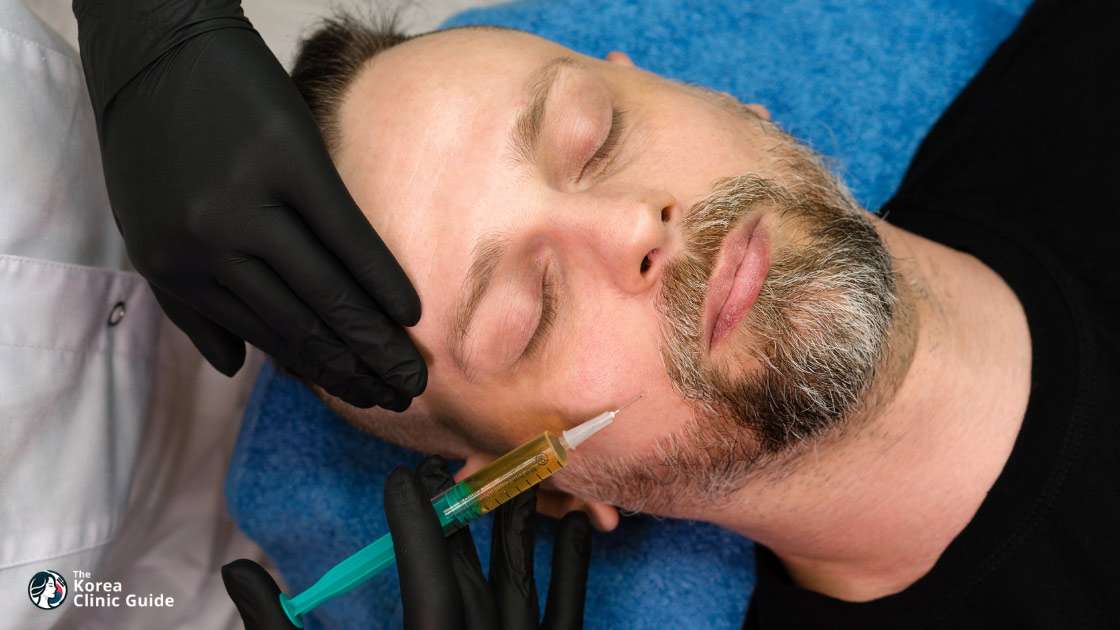
Table of contents
- PRP Facial Treatment at a Glance
- What Is PRP Facial Treatment?
- Who Is a Good Candidate for PRP Facial Treatment?
- How Is PRP Facial Treatment Performed?
- Why Visit Korea for PRP Facial Treatment?
- Key Information for International Patients
- Which Are the Best Clinics in Korea for Prp Facial Treatment?
- PRP Facial Treatment From Start to Finish
- Alternatives to PRP Facial Treatment
- How Can I Prepare for PRP Facial Treatment?
- Aftercare Advice
Considering treatment in Korea? Everything you need to know e.g. — how to avoid scams, visas, interpreters, recovery tips — in our Medical Tourism Master Guide. Plan with confidence in minutes, not weeks!
Last updated: September 2026
PRP Facial Treatment at a Glance
- What it is — PRP facial treatment concentrates platelets from a small sample of your own blood, then injects the plasma into selected areas and/or applies it during microneedling to target skin quality.
- Best suited for — It may suit adults seeking gradual, modest improvement in early photoaging, fine lines, dullness, and uneven texture—not a surgical lift, major volume replacement, or correction of pronounced laxity.
- Results remain uncertain — Evidence for facial rejuvenation is limited and inconsistent: small blinded trials have not shown a dependable visible advantage of PRP over saline or a clear added benefit when combined with microneedling.
- Recovery and results timing — Redness, tenderness, and mild swelling usually settle within 1–3 days, while bruising can remain visible for 1–2 weeks; assess any cosmetic change after the planned course and around 3–6 months.
- Repeat-treatment planning — Clinics commonly recommend three sessions about four weeks apart, but this is not a scientifically established universal schedule, so one Korea trip may cover only the first session.
- Korea travel needs — Plan 2–3 days in Korea for consultation, outpatient treatment, and an early-review buffer; remain local for 24–48 hours after extensive injections or if bruising, swelling, or fainting is a concern.
- Protocol and safety check — PRP preparation and delivery are not standardized, so confirm the exact product and written protocol, sterile closed processing, injection versus microneedling or laser, and remote follow-up; postpone treatment for active facial infection or significant blood/platelet disorders.
What Is PRP Facial Treatment?
PRP facial treatment uses platelet-rich plasma prepared from a small sample of a person’s own blood and delivered to facial skin by injection and/or microneedling. It aims for gradual, modest improvement in fine lines, dullness, and uneven texture rather than lifting sagging skin or restoring major volume loss. It is a minimally invasive, non-surgical treatment.
Who Is a Good Candidate for PRP Facial Treatment?
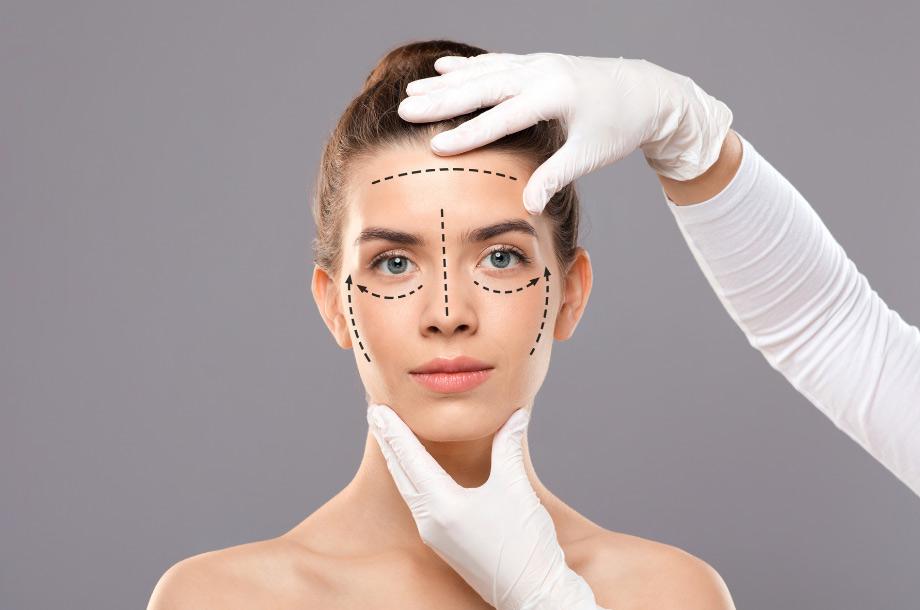
- Early photoaging and texture concerns — Good candidates want gradual improvement in fine lines, dullness, and uneven skin texture rather than lifting or major volume replacement.
- Realistic expectations — PRP facial rejuvenation has variable results. A review of 36 studies found limited clinical evidence, with many small or combination-treatment studies, so improvement is often subtle rather than dramatic.
- Able to undergo blood draw and injections — Candidates need adequate platelet function and must tolerate venipuncture, multiple facial injections, or microneedling.
- Committed to aftercare — Treatment suits people who can avoid heat and strenuous activity briefly, use sun protection, and arrange follow-up after returning home.
PRP is an elective adult treatment; it is not appropriate for active bacterial, viral, or fungal facial infection, open wounds, active inflammatory eruptions, or an active herpes simplex outbreak. Defer treatment for significant anemia, severe thrombocytopenia, platelet-function disorders, sepsis, unstable illness, or unexplained blood-count abnormalities; a CBC or medical clearance can be appropriate when history raises concern. Active or unstable cancer, particularly hematologic cancer, requires specialist review, while pregnancy and breastfeeding are usual reasons to postpone cosmetic PRP because safety data are insufficient. Under-eye concerns need a separate anatomical assessment: thin skin, edema, pigment-related dark circles, visible vessels, and tear-trough hollowing do not respond to the same treatment. Do not proceed when expectations are unrealistic or when reliable follow-up and sun protection are not feasible.
How Is PRP Facial Treatment Performed?
PRP is not one standardized product or technique. Platelet concentration, leukocyte content, red-cell contamination, activator use, injection depth, and combination treatments differ between protocols; technical literature confirms there is no universal preparation method.
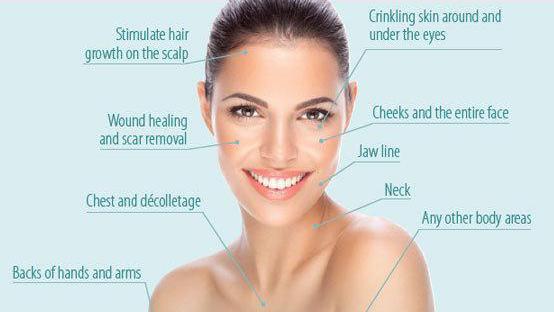
- Intradermal or subdermal PRP injections — After blood processing, PRP is placed through multiple small injections into areas such as the cheeks, forehead, perioral lines, neck, or selected under-eye areas. Expect pinpoint bleeding, tenderness, swelling, and possible bruising.
- PRP with microneedling — Often called a “vampire facial,” this approach applies PRP to microneedled skin, injects it, or does both. Microneedling creates controlled skin injury, so any texture improvement cannot automatically be credited to PRP; redness, dryness, scaling, and peeling depend on needle depth.
- PRP with fractional laser resurfacing — PRP can be applied or injected alongside laser treatment. This adds the laser’s recovery period, pigment risks, and contraindications, while an additional PRP benefit remains uncertain.
- PRF treatment — Platelet-rich fibrin (PRF) is a related blood-derived product containing a fibrin matrix. It is not interchangeable with PRP; confirm which product is proposed before consenting.
- Protocol documentation — Ask whether the clinic uses closed sterile processing, whether PRP is leukocyte-rich or leukocyte-poor, the volume and facial planes planned, whether an activator is used, and whether filler, laser, microneedling, or another product will be added.
Why Visit Korea for PRP Facial Treatment?
Korea has formal infrastructure for international medical patients, including a government-supported system for registered medical institutions. That infrastructure can help with travel-facing communication, but it does not establish that Korean PRP produces better outcomes than PRP elsewhere. Choose on clinician qualifications, sterile handling, protocol transparency, and follow-up planning—not country-based marketing.
- Registered-provider checks — Use the official Medical Korea registered institution system to verify whether a provider participates in the international-patient framework.
- International-patient support framework — Medical Korea provides reliability and patient-support information for overseas visitors, which is useful when confirming communication channels and escalation routes before travel.
- Protocol transparency matters — Facial PRP evidence remains limited and heterogeneous. Small randomized trials have not shown a dependable visible advantage of injected PRP over saline or demonstrated a clear added benefit when used with microneedling, so a clinic should clearly separate what PRP, needling, and any laser treatment are expected to contribute.
- Combination-treatment caution — A “vampire facial” is not simply PRP injections. Microneedling-device regulators note that cleared devices are not cleared in the United States to deliver PRP or other blood products into skin; this does not determine Korean practice, but it underscores the need to ask about the exact device, sterile workflow, and combination protocol.
Key Information for International Patients
- Minimum stay — Plan 2–3 days in Korea for consultation, outpatient treatment, and a short early-review window if needed. This is a practical buffer, not an evidence-based mandatory stay; PRP-only treatment normally does not require admission.
- Flight timing — No high-quality evidence sets a mandatory no-fly interval after uncomplicated PRP-only treatment. Remain local for 24–48 hours when extensive injections are planned or when bruising, swelling, fainting, or injection anxiety is a concern.
- Longer itinerary needs — Extend the stay when PRP is combined with microneedling, fractional laser, filler, or another procedure. Redness, dryness, scaling, and peeling can interfere with sightseeing and require strict sun avoidance.
- Recovery visibility — PRP-only redness, tenderness, and mild swelling usually settle in 1–3 days. Bruising can remain visible for about 1–2 weeks, especially after multiple injections or in people prone to bruising.
- Repeat sessions — Clinics often propose three sessions about four weeks apart, but this is not a scientifically established universal schedule. A single short trip may therefore cover only the first treatment in a proposed course.
- Remote follow-up — Before departure, obtain an English procedure record with the date, treated areas, blood-processing system, PRP protocol, injection or needling method, anesthetics, aftercare instructions, and an urgent-contact route.
Travel note: Do not board a flight with escalating swelling, severe pain, spreading redness, fever, faintness, or visual symptoms. Contact the treating clinic promptly and seek urgent local care when instructed.
Which Are the Best Clinics in Korea for Prp Facial Treatment?
Listed below are some of the best clinics in Korea for prp facial treatment.
1. THEPLUS Plastic Surgery
If you are exploring PRP facial treatment, THEPLUS Plastic Surgery may be relevant when you also want a facial-aesthetics practice with experience in facial contouring, lifting, fat grafting, and regenerative stem-cell-based care. The supplied information does not specifically confirm a PRP facial protocol, so you would need to verify whether it is offered and how it would fit your skin concerns and treatment plan.
- URL: THEPLUS Plastic Surgery Website
- Location: Gangnam-gu, Seoul
- Facial options:
- Face fat grafting is offered to restore volume in hollow or flattened facial areas.
- Facelift and thread-lift options address facial sagging and contour definition.
- Full facial contouring, cheekbone surgery, square-jaw surgery, chin surgery, and facial implants are listed for structural facial-balance concerns.
- Surgical expertise:
- Dr. Kim is described as a board-certified plastic surgeon with research awards related to 3D implants and expertise in rhinoplasty and facial contouring.
- Dr. Jeong is identified as President of the Korean Society of Plastic Surgeons and has a rhinoplasty-focused practice that emphasizes both function and appearance.
- Additional services:
- The clinic lists eye surgery, rhinoplasty and revision rhinoplasty, breast surgery, liposuction, and stem-cell treatment among its services.
- Its stated approach emphasizes personalized aesthetic care, research, safety, and facial harmony.
2. Re and Re Plastic Surgery
For PRP facial treatment, Re and Re Plastic Surgery may be worth considering if you are also comparing clinics with non-surgical skin treatments and facial volume-restoration options. Its supplied profile lists laser skin resurfacing, Botox and fillers, and facial fat grafting, but it does not specifically confirm PRP facial treatment; you should verify availability and the recommended approach for your goals.
- URL: Re and Re Plastic Surgery Website
- Location: Gangnam-gu, Seoul
- Skin and facial treatments:
- Laser skin resurfacing is listed for skin-texture concerns, wrinkles, and blemishes.
- Botox and fillers are listed as non-surgical options for smoothing lines and restoring facial volume.
- Facial fat grafting is offered to restore facial volume and soften wrinkles.
- Practice background: The clinic is described as having 15 years of experience and more than 20,000 successful eye, nose, and breast procedures.
- Additional services:
- Listed surgical services include double-eyelid surgery, ptosis correction, epicanthoplasty, rhinoplasty, alar-base reduction, and breast surgery.
- Body-contouring options include liposuction and abdominoplasty.
3. REPIC Clinic
If you are considering PRP facial treatment and want planning based on detailed facial assessment, REPIC Clinic’s stated approach centers on 3D facial analysis and customized treatment sequencing for concerns such as acne, acne scars, enlarged pores, texture, and tone. The supplied information does not confirm that PRP facial treatment is offered, so you should confirm availability and whether it is appropriate for your specific skin concerns.
- URL: REPIC Clinic Website
- Location: Gangnam-gu, Seoul, Republic of Korea 2F, 318, Gangnam-daero
- Assessment and planning:
- MetaView 3D facial analysis is used to assess facial balance and structural features and to help measure changes over time.
- Personalized treatment plans combine clinical observation with diagnostic tools and can sequence treatments for acne, acne scars, enlarged pores, texture, and tone.
- Related aesthetic options:
- Custom lifting is tailored to your face shape, skin thickness, underlying structure, and goals.
- Customized filler planning considers upper-, mid-, and lower-face proportions as well as features such as the philtrum and eye contour.
PRP Facial Treatment From Start to Finish
- Remote screening and consultation — Send medical history, photographs if requested, medicine and supplement lists, prior facial procedures, active skin conditions, cold-sore history, pregnancy or breastfeeding status, and bleeding or fainting history. Confirm that the treating clinician, not only a coordinator, reviews the information; ask about English or virtual consultation options.
- Treatment planning — At the in-person consultation, the clinician distinguishes texture, pigment, acne scars, laxity, and volume loss. Confirm whether the planned service is injected PRP, PRP microneedling, laser plus PRP, or PRF, since these are different treatments with different recovery demands.
- Assessment and testing — Healthy patients do not always need laboratory testing. A CBC, platelet assessment, or medical clearance can be requested for anemia, hematologic disease, abnormal bruising or bleeding, systemic illness, or medicines affecting clotting and platelet activity.
- Consent and facial mapping — Review expected modest and gradual results, alternatives, risks, areas to be treated, number of proposed sessions, and the written processing protocol. Standardized makeup-free photographs provide a better baseline than daily mirror checks.
- Blood draw and anesthetic — A small volume of blood is drawn and centrifuged to separate the platelet-rich component. Topical anesthetic is commonly used for injections or microneedling; fasting is generally unnecessary unless sedation or another procedure is planned.
- PRP application or injection — The clinician injects PRP into selected facial planes and/or applies it during microneedling. PRP-only treatment is outpatient; the appointment length depends on whether a blood draw, numbing time, injections, microneedling, or laser are included.
- Discharge and early recovery — Receive written aftercare and instructions for expected redness, swelling, pinpoint bleeding, dryness, or bruising. Arrange transport support when sedatives are used or when there is a history of vasovagal fainting.
- Overseas follow-up — Send requested photographs and attend video review after returning home. Assess any cosmetic change after the planned course and around 3–6 months, not immediately after treatment.
Alternatives to PRP Facial Treatment
The best alternative depends on the main problem. Non-surgical treatments can address texture, pigment, scars, or volume with different risks and recovery, while surgery is the meaningful option for significant tissue descent or laxity that PRP cannot lift.
Microneedling
- Best suited to — Selected texture concerns, fine lines, and some acne scars.
- Tradeoff — Microneedling facial treatment avoids attributing the result to PRP when controlled needling itself is the intended treatment; it still causes temporary redness and carries infection and pigment-risk considerations.
Fractional Laser Resurfacing
- Best suited to — More established treatment of wrinkles, texture irregularity, photoaging changes, and selected scars.
- Tradeoff — Fraxel laser, CO2 laser, or pico fraxel can require more downtime and disciplined sun protection, with post-inflammatory hyperpigmentation risk depending on skin type and settings.
Injectable Volume Treatment
- Best suited to — Tear-trough hollowing, cheek volume loss, folds, and contour changes rather than surface texture alone.
- Tradeoff — Facial filler provides structural volume but has distinct vascular and product-related risks. Sculptra is a biostimulatory injectable with a different mechanism and timeline.
PRF
- Best suited to — Patients specifically considering a platelet-and-fibrin product rather than PRP.
- Tradeoff — PRF injection uses a related but non-interchangeable preparation; protocols and outcome evidence also vary.
Facial Surgery
- Best suited to — Marked laxity, jowling, tissue descent, or a need for lifting rather than modest skin-quality change.
- Tradeoff — A face lift has greater recovery, scars, anesthesia considerations, and travel demands, but PRP cannot recreate a surgical lift.
How Can I Prepare for PRP Facial Treatment?
- Medical disclosure — Report all illnesses, blood disorders, cancer history, active infection, cold sores, allergies, prior injectables or resurfacing, tendency to bruise, and past fainting with needles or blood draws. The clinician may request a CBC or medical clearance when platelet function or anemia is a concern.
- Prescription medicines — Give the clinic and prescribing clinician a complete list of aspirin, clopidogrel, warfarin, apixaban, rivaroxaban, other anticoagulants, antiplatelet medicines, and NSAIDs. Do not stop any prescribed medicine independently; evidence does not establish a universal facial-PRP medication-stop schedule.
- Supplements — Disclose fish oil or omega-3, vitamin E, ginkgo, garlic, ginseng, turmeric or curcumin, and other products that affect bleeding or platelet activity. Stop them only when the treating clinician specifically directs it.
- Food and hydration — Eat a light meal and hydrate before a PRP-only blood draw unless the clinic says otherwise. Fast only when sedation or another procedure requires it.
- Facial skin preparation — Arrive without makeup where practical. Do not treat sunburned or actively irritated skin, and disclose retinoids, exfoliating acids, topical steroids, benzoyl peroxide, self-tanner, recent peels, waxing, laser treatment, and injectables.
- Cold-sore prevention — For a herpes simplex history and treatment near the mouth, ask before travel whether antiviral prophylaxis is appropriate.
- Smoking, alcohol, and sun — Avoid smoking and alcohol around treatment when the clinician recommends it, but do not regard a specific abstinence interval as proven to improve PRP results. Avoid sunburn before treatment and plan to use broad-spectrum SPF 50 afterward.
- Travel logistics — Keep flights flexible, avoid scheduling a major event immediately afterward, and reserve accommodation that permits rest. Bring a companion when sedation is planned or when a history of fainting, severe injection anxiety, or language barriers makes support useful.
Travel note: Book PRP-only treatment early in the trip rather than immediately before departure, particularly when facial bruising would affect travel comfort or professional obligations.
Confirm the treating doctor’s individualized preparation instructions, which take precedence over this general guidance.
Aftercare Advice
Protect the treated skin, minimize inflammation, and act quickly if symptoms worsen rather than settle.
- First 24 hours — Keep the area clean and avoid touching it with unwashed hands, strenuous exercise, heavy sweating, alcohol, saunas, steam rooms, and very hot showers. Avoid makeup unless the clinician gives different directions.
- Skin products — Once permitted, use a bland cleanser and moisturizer. Avoid retinoids, exfoliating acids, benzoyl peroxide, scrubs, and fragranced or irritating products until sensitivity resolves, especially after microneedling or laser.
- Sun protection — Use broad-spectrum SPF 50 and physical shade. This is particularly important after microneedling or laser, where inflammation plus ultraviolet exposure can contribute to post-inflammatory hyperpigmentation.
- Swelling and bruising — Redness, soreness, mild swelling, itching, pinpoint bleeding, dryness, scaling, and bruising can occur. PRP-only social downtime is commonly 1–3 days, while bruises can last 1–2 weeks; added needling or laser extends visible recovery according to treatment intensity.
- Warning signs — Contact the clinic urgently for increasing pain, rapidly spreading warmth or redness, pus or drainage, fever, blisters, persistent bleeding, severe asymmetric swelling, or fainting. Seek emergency care for visual disturbance, severe headache, neurologic symptoms, breathing difficulty, or facial swelling with hives.
- Follow-up and results — Follow the clinic’s photo and video-review plan. Judge results with comparable makeup-free photographs after the treatment course and at roughly 3–6 months, not from immediate post-treatment swelling.
Follow the treating doctor’s instructions over general advice and contact the clinic promptly when something appears wrong.
Frequently Asked Questions
Related Blogs
Unlock Radiant Skin: Global Cost Comparison of Skin Whitening Injections from Korea to the World
Discover the latest insights on the cost of skin whitening injections in Korea, exploring pricing trends and factors influencing affordability. Uncover key information about this popular cosmetic procedure and its accessibility for those seeking radiant, lighter skin tones.
Updated: Sep 26, 2026
From Mole to Marvel: Korea vs. Global Costs for Premium Mole Removal Services
Discover the factors influencing mole removal costs in Korea, including procedure types and clinic reputation. Learn how to navigate pricing options for effective and affordable skincare treatments.
Updated: Sep 26, 2026
Comprehensive Cost Analysis: Why Lipoma Removal in Korea May Be Your Best Option
Discover the affordable options for lipoma removal in Korea, where advanced medical facilities offer top-notch care at a fraction of the cost compared to the West. Explore the factors that influence pricing and learn how to plan your medical trip for the best outcomes.
Updated: Sep 26, 2026
Discover the Global Price of Filler Dissolver: Korea’s Competitive Edge vs. Top Destinations
Discover the latest insights on the cost of Filler Dissolver treatments in Korea, including factors that influence pricing and tips for finding the best clinics. Stay informed on how to achieve safe and effective results while managing your aesthetic goals and budget.
Updated: Sep 26, 2026
Clinics offering PRP Facial Treatment

THEPLUS Plastic Surgery Korea | Eye, Nose, Face & Body Surgery
Sinsa

REPIC Clinic Korea: Personalized Aesthetic Treatments with 3D Facial Analysis Near Gangnam Station
Gangnam Station

Re and Re Plastic Surgery in Korea: Leading the Way in Eye, Nose, and Breast Enhancements with Over 20,000 Successful Procedures
Nonhyeon

DATENA CLINIC Korea | Personalized Dermatology, Lifting & Skin Rejuvenation in Seoul
Jamsil