
Medical Tourism Blog
Calf Reduction Surgery in Korea | Types, Best Clinics, Costs and More
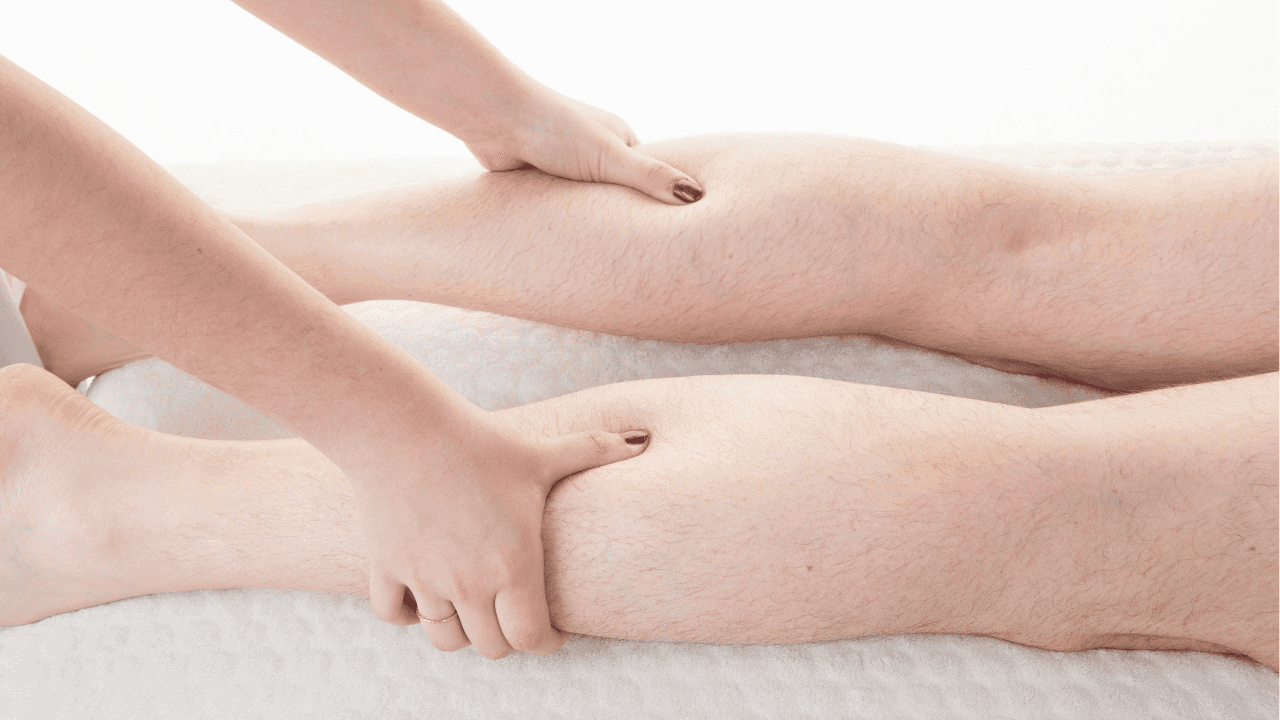
Table of contents
- Calf Reduction Surgery Overview
- Calf Reduction Surgery in Korea
- Which Are the Best Clinics in Korea for Calf Reduction Surgery?
- Cost of Calf Reduction Surgery in Korea
Considering treatment in Korea? Everything you need to know e.g. — how to avoid scams, visas, interpreters, recovery tips — in our Medical Tourism Master Guide. Plan with confidence in minutes, not weeks!
Are you seeking a transformative journey toward more proportionate and slender calves? Korea, a renowned hub for innovative cosmetic surgery, offers a comprehensive solution through calf reduction surgery, marrying advanced techniques with expert care to help you achieve your aesthetic goals.
Calf Reduction Surgery Overview
Calf reduction surgery is a cosmetic procedure aimed at reducing the size of the calves to create a slimmer, more proportionate lower leg. This surgery is particularly popular among individuals who feel their calves are too muscular or bulky, detracting from their overall body symmetry. There are several techniques employed in calf reduction surgery, including selective neurectomy, which involves cutting nerves to reduce muscle activity and size, and liposuction, which targets fat deposits in the calf area. Recently, non-surgical options such as Botox injections have also been used to achieve calf slimming by temporarily reducing muscle activity.
1. Calf Reduction Surgery Procedure
The specific procedure for calf reduction surgery varies depending on the technique used. For instance, in selective neurectomy, small incisions are made behind the knee to access and partially cut the nerves controlling the calf muscles, leading to a decrease in muscle bulk over time. Liposuction involves making small incisions to insert a cannula for fat removal, offering a more immediate change in calf size. Each procedure is carried out under anesthesia to ensure the patient's comfort, and the choice of technique is typically based on the individual's specific needs and the surgeon's recommendation.
2. Who Is Calf Reduction Surgery For?
- Individuals with genetically bulky calves that don't respond to diet or exercise
- People desiring more slender and aesthetically pleasing leg contours
- Patients with muscular imbalance due to physical conditions
- Those looking to fit better in boots and clothing styles designed for slimmer calves
3. Calf Reduction Surgery Aftercare
Aftercare for calf reduction surgery involves a carefully planned recovery to maximize the results and minimize complications. Patients are usually advised to wear compression garments to reduce swelling and support the healing tissues. It's also critical to avoid strenuous activities and prolonged standing or walking during the initial weeks post-surgery to aid in a smoother recovery. Follow-up visits are crucial to monitor the healing process, and any prescribed medication should be taken as directed to manage pain and prevent infection.
4. Calf Reduction Surgery Recovery Period
The recovery period varies based on the individual and the surgery technique used. Typically, patients can return to normal activities within 2 to 4 weeks, though full recovery and the final results may take several months to manifest. Adhering to the surgeon's advice and attending scheduled follow-up appointments are vital to ensure a successful outcome.
Calf Reduction Surgery in Korea

Korea has emerged as a leading destination for cosmetic surgeries, with calf reduction surgery being one of the increasingly popular choices among individuals seeking aesthetic improvements to their lower legs. The country's clinics are renowned for their specialized approaches, embracing both surgical and non-surgical techniques to cater to the diverse needs of patients. Among the most common types of calf reduction procedures available at Korean clinics are calf liposuction and the use of Botox to temporarily reduce muscle size.
Calf liposuction is a sought-after method for those with excess fat in the calf area. This technique specifically targets and removes fat cells to sculpt and slim down the calves, offering a more contoured appearance. Korean clinics are at the forefront of utilizing advanced liposuction technologies that ensure precise fat removal and minimal recovery time. This option is especially favored by patients who have predominantly fatty calves rather than muscular bulk.
In contrast, for individuals looking to reduce calf size without liposuction, Botox injections present a non-invasive alternative. Botox, a neuromodulator commonly used to smooth facial wrinkles, can also be administered to the calf muscles. This procedure works by temporarily freezing the muscles, thereby reducing their size and activity. As a result, the calves appear slimmer and more tapered. The use of Botox for calf reduction is particularly appealing due to its minimal downtime and lower risk profile compared to surgery. Korean clinics excel in this technique, offering tailored dosages and injection patterns to achieve natural-looking results that meet patient's expectations.
These two prevalent methods underscore Korea's commitment to providing versatile and innovative solutions for calf reduction. The country's clinics are equipped with highly qualified professionals who are adept at performing both calf liposuction and Botox injections. Patients are assured of receiving personalized care, with treatments customized to match their specific aesthetic goals. Whether one chooses calf liposuction for its immediate fat reduction benefits or opts for Botox injections for a non-surgical approach, Korean clinics stand ready to deliver superior outcomes, safely and effectively.
Which Are the Best Clinics in Korea for Calf Reduction Surgery?
Listed below are some of the best clinics in Korea for calf reduction surgery.
1. Lydian Plastic Surgery Clinic
For calf reduction when localized fat is the concern, you can expect a liposuction-centered contouring approach designed around your individual proportions. Lydian describes anatomy-based planning, specialized cannulas intended to work across varying body areas and volumes, and structured aftercare for swelling, contour irregularities, skin elasticity, and residual-fat contouring; a consultation would be needed to determine whether calf anatomy and tissue characteristics make liposuction appropriate for you.
- URL: Lydian Plastic Surgery Clinic Website
- Location: Gangnam-gu, Seoul
- Liposuction approach:
- Uses more than 30 custom-made liposuction cannula types to tailor fat removal to body shape and treatment area.
- Describes using 1–2 small, strategically placed incisions for liposuction, though incision placement for calf treatment should be confirmed in consultation.
- Plans contouring according to your anatomy, proportions, and curves rather than using a standard fat-removal pattern.
- Planning and aftercare:
- Uses Quantificare 3D imaging for detailed presurgical design and before-and-after assessment.
- Aftercare addresses swelling reduction, lumpiness correction, skin-elasticity recovery, and residual-fat contouring.
- Surgeon experience:
- Dr. An is described as having more than two decades of body-sculpting experience and as Director of the 5D Liposculpture Academy.
- The clinic states that Dr. An provides physician training in high-definition body sculpting and liposuction devices.
2. Seojin Plastic Surgery Clinic
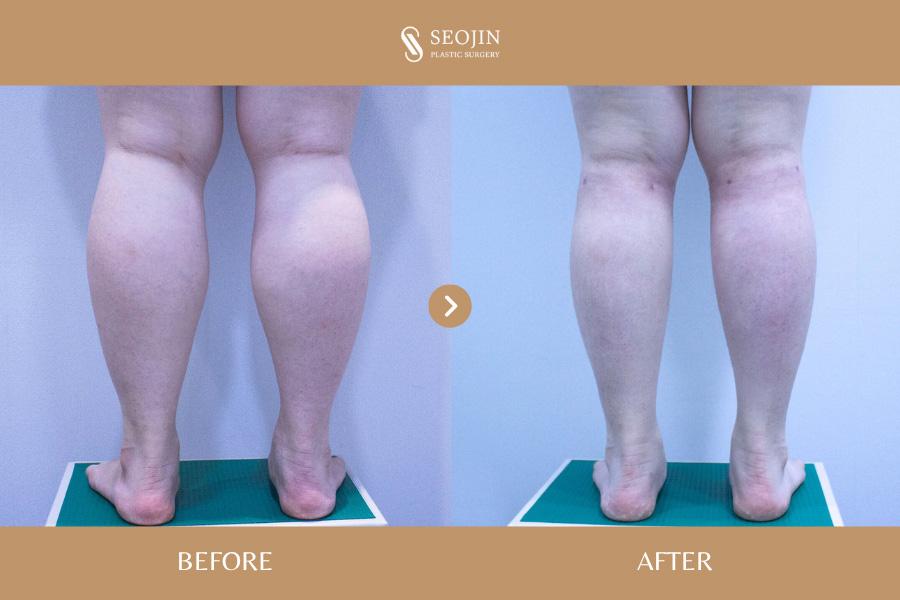
You may consider Seojin for calf reduction if your goal is to address localized calf fat with a staged liposuction process: tissue preparation, cannula selection based on your body type and fat volume, and manual syringe refinement intended to smooth the subcutaneous layer. Dr. Lee Hyungmin provides end-to-end care as the clinic’s single doctor, and Velody2 laser lifting may be considered when mild skin laxity is a concern after liposuction.
- URL: Seojin Plastic Surgery Clinic Website
- Location: Gangnam-gu, Seoul
- Procedure details:
- The clinic describes a three-step micro-liposuction process that separates fat from surrounding blood vessels, nerves, and tissues before removal.
- Cannula choice is tailored to your body type and fat volume.
- Manual refinement with a small syringe follows device suction to support even fat distribution and a smooth skin surface.
- Skin-firmness option: Velody2 lifting laser may be added to liposuction to address slight post-procedure sagging and support skin firmness.
- Doctor-led care:
- Dr. Lee Hyungmin is described as providing comprehensive care from consultation through follow-up in a one-doctor practice.
- The clinic reports more than 16 years of experience and notes Dr. Lee’s recognition among Korea’s 100 Good Doctors.
3. 365mc Hospital
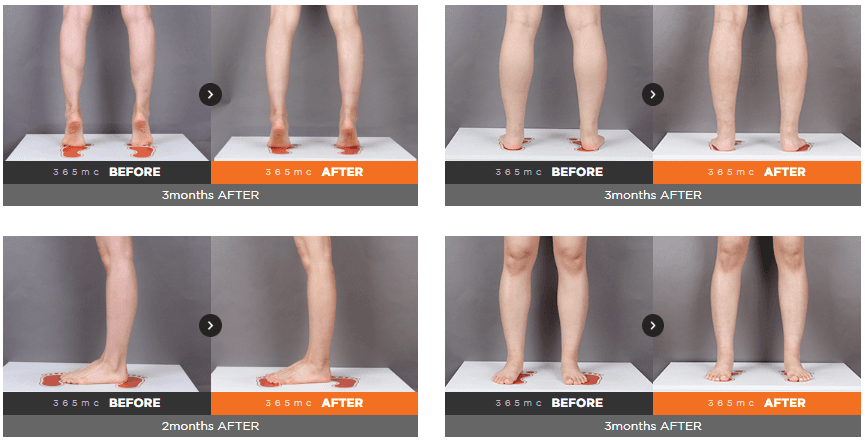
For calf reduction related to localized fat, 365mc offers a body-contouring and fat-reduction setting with surgical liposuction and a structured recovery pathway. You can expect individualized recovery-center care on the procedure day, followed by a seven-week post-operative program that may include hyperbaric oxygen chamber therapy and dietary consultation; your assessment should establish whether surgical liposuction or its minimally invasive LAMS option fits your calf-contouring goals.
- URL: 365mc Hospital Website
- Location: Gangnam-gu, Seoul
- Body-contouring options:
- Provides surgical liposuction as part of its body-contouring practice; treatment suitability for calves should be assessed individually.
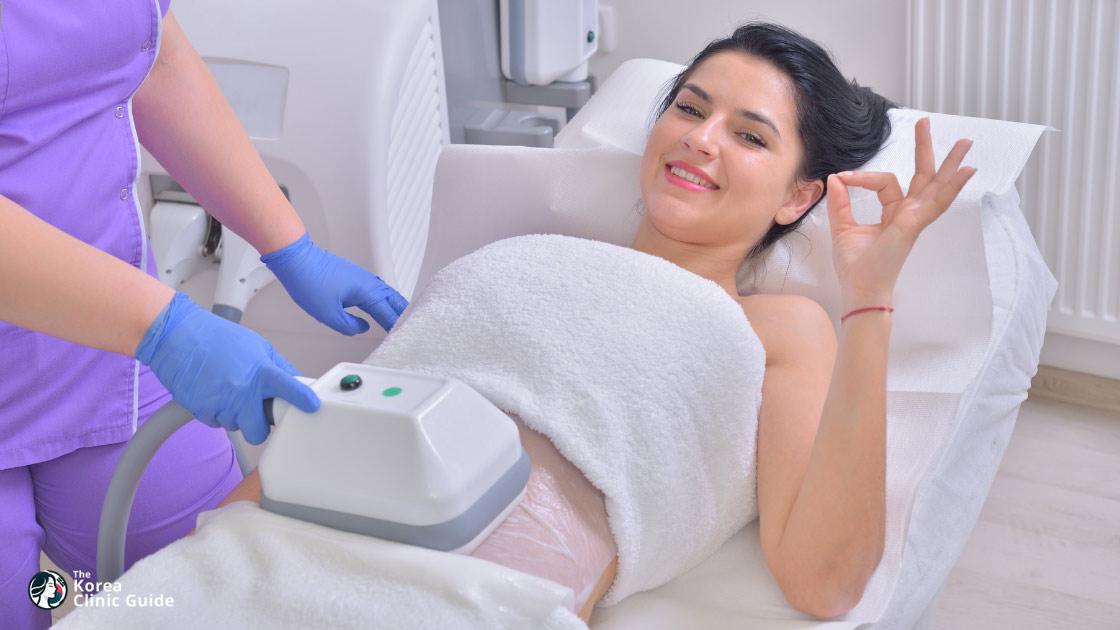
- Also offers LAMS, a local-anesthetic minimally invasive fat-reduction approach combining tunneling, fat extraction, fat-dissolving solution, and post-conversion management.
- The clinic describes M.A.I.L., a motion-capture and AI-assisted liposuction system that provides real-time surgical feedback.
- Recovery and maintenance:
- Provides one-to-one intensive care in a dedicated Recovery Center on the day of surgery.
- Offers a structured seven-week post-operative program, including hyperbaric oxygen chamber therapy and personalized dietary consultations.
- Provides dietary guidance tailored to lifestyle, eating habits, and nutritional needs, with meal-diary app support.
- Practice focus:
- 365mc describes itself as dedicated to obesity treatment, body contouring, and fat reduction.
- The clinic reports more than 20 years in the field, 18 clinics in Korea, and 22 main doctors.
| Procedure Price | Korean Won (₩) | USD ($) |
|---|---|---|
| Low Price | ₩3,000,000 | $2200 |
| High Price | ₩7,000,000 | $5100 |
Exchange rate as of 2025-05-22: 1 KRW = 0.0007 USD
Please note that these prices are approximate guidelines and can vary significantly based on the clinic and your individual circumstances.
Cost of Calf Reduction Surgery in Korea
Calf reduction surgery in Korea is renowned not only for its cutting-edge techniques but also for its cost-effectiveness, particularly when compared to prices in the USA. For instance, calf liposuction in Korea, which can drastically reshape and contour the lower legs, ranges from $3,000 to $6,000—a figure that is significantly lower than what one might expect to pay in the United States, where the cost can easily exceed $8,000 for similar procedures.
Similarly, non-surgical calf reduction options like Botox, though temporary, are more affordable in Korea, with treatments costing between $500 and $1,500 per session, as opposed to the higher rates in the USA that can range up to $2,000 or more. This stark contrast in pricing, alongside Korea's globally acknowledged medical expertise in cosmetic surgery, makes it an attractive destination for individuals seeking quality calf reduction treatments without the steep costs associated with such procedures in the United States.
Not only does traveling to Korea for calf reduction surgery present an opportunity for substantial cost savings, but it also offers patients access to some of the world's leading cosmetic surgeons, ensuring both value and excellence in care.
Frequently Asked Questions
Related Blogs
Fat Dissolving Laser in Korea: Methods, Recovery, Travel Planning, and Alternatives
Fat-dissolving laser treatment may involve external heat-assisted treatment, repeated low-level laser sessions, or minimally invasive laser-assisted lipolysis, with different recovery and travel needs. The article covers candidacy, device verification in Korea, preparation, aftercare, follow-up, and minimum stays of 2–3 days for external treatment or 7–10 days for percutaneous procedures.
Updated: Sep 13, 2026

PRP Fat Grafting in Korea: Candidacy, Recovery, Safety, and Travel Planning
PRP fat grafting combines liposuction, processed autologous fat transfer, and platelet-rich plasma for modest volume restoration in the face, breasts, hands, or body. The guide covers candidacy, procedure steps, recovery, international travel planning in Korea, aftercare, risks, and alternatives.
Updated: Sep 13, 2026
Thigh Liposuction in Korea: Methods, Recovery, Travel Planning, and Risks
Thigh liposuction removes localized fat through small cannula incisions, with candidacy based on stable weight, skin recoil, health, and realistic contour goals. In Korea, costs are ₩4,000,000–₩9,000,000; plan 10–14 days for postoperative reviews and travel clearance.
Updated: Sep 12, 2026

Diet IV therapy in Korea: Safety, Evidence, Travel Planning, and Alternatives
Diet IV therapy uses a peripheral IV to deliver a specified formula after clinician assessment, but no evidence-based Diet IV regimen supports weight loss. The article covers candidate screening, formula documentation, travel planning, aftercare, warning symptoms, and evidence-based weight-management alternatives.
Updated: Sep 12, 2026
Clinics offering Calf Liposuction

365mc Hospital: Korea's Leading Liposuction and Body Contouring Clinic with Innovative AI Technologies and Comprehensive Patient Care
Gyodae

Lydian Plastic Surgery Clinic in Korea: Superior Cosmetic Procedures by World-Renowned Expert Dr. An Kyung Chun
Apgujeong

Seojin Plastic Surgery Clinic Korea: Pioneering Advanced Cosmetic Procedures for Personalized Aesthetic Transformation
Apgujeong

Okay Plastic Surgery Clinic in Korea: Comprehensive Aesthetic Procedures with Sincerity and Care
Cheongdam